On March 5, many domestic businesses reported that suppliers had issued continuous price adjustment notices, as transportation and marine insurance costs have risen rapidly, forcing companies to review their raw material sources and production plans.
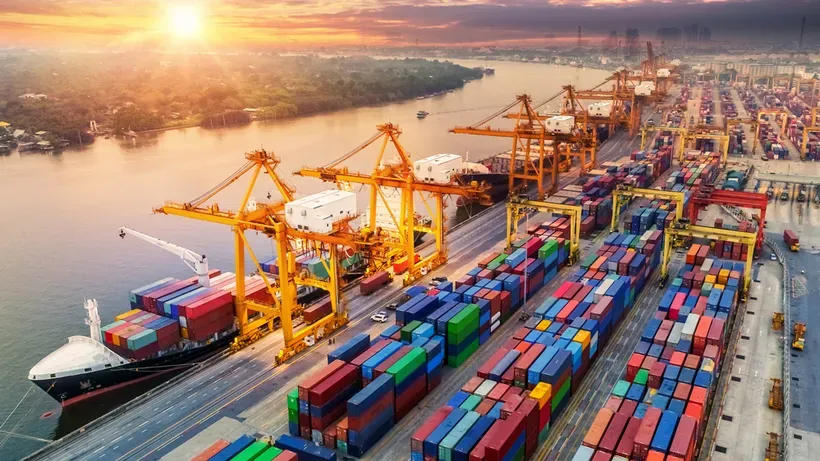
Manufacturers reported that prices of several imported raw materials have surged since early March. Ms. Lam Thuy Ai, CEO of Mebifarm Joint Stock Company, stated that suppliers had notified the company of supply disruptions caused by the conflict, which had pushed up prices. The antibiotic raw material AMOX has risen to about US$25 per kilogram, from US$20 per kilogram previously.
Vitamin prices have also fluctuated sharply since March 1, while animal feed producers have issued repeated price increase notices.
The packaging and plastics sectors are also affected. According to Mr. Nguyen Dang Hien, Vice Chairman of the Ho Chi Minh City Food and Foodstuff Association, plastic resin prices have climbed sharply, with some reaching US$3,842 per ton. Prices from Formosa are around US$1,045 per ton (about VND27,500 per kilogram, while supplies from China are about VND27,000 (US$1.02) per kilogram and may continue rising.
Alongside raw material price fluctuations, international logistics costs are also under heavy pressure as many shipping routes are affected by tensions in the Middle East. Mr. Dao Trong Khoa, Chairman of the Vietnam Logistics Business Association (VLA), said the logistics market is shifting from a state of “disruption” to “emergency control.”
According to shipping lines, MSC has announced the termination of voyages for all shipments to the Arabian Gulf currently in its system. Containers will be unloaded at the nearest safe port instead of continuing into the Gulf as originally planned.
In practice, changing shipping routes has resulted in many additional costs. MSC has imposed an additional US$800 per container surcharge to cover route deviation costs. In addition, unloading, storage and onward transportation costs at alternative ports will be borne by cargo owners. Meanwhile, war risk insurance premiums for maritime transport have also surged. According to the London marine insurance market, war risk insurance premiums for the Gulf region have increased about fivefold compared to previous levels. This is expected to further push logistics costs higher in the near future.
In response to these developments, the Ministry of Industry and Trade has recommended that businesses closely monitor international transport conditions and proactively develop appropriate production and import–export plans. At the same time, companies are advised to increase raw material reserves, diversify supply sources and seek alternative shipping routes to reduce the risk of supply chain disruptions.
Business associations have also proposed that authorities strengthen information updates on shipping routes, surcharges and fuel prices so enterprises can promptly adjust their production and transportation plans amid increasingly volatile global trade.