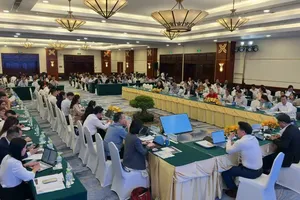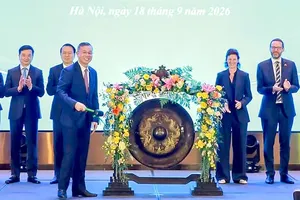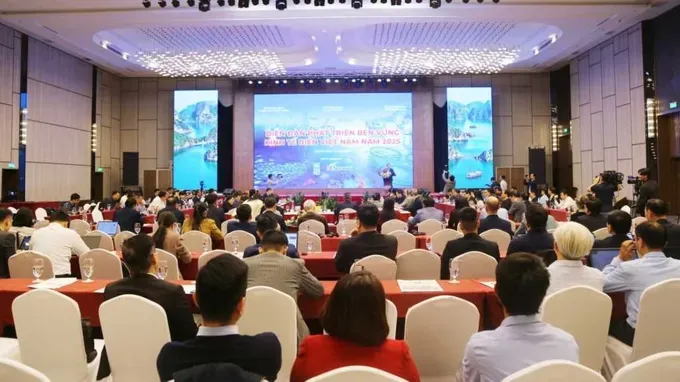
Speaking at the forum, Deputy Prime Minister Tran Hong Ha noted that marine-related issues are inherently interregional and transnational in nature. Marine pollution, ecosystem degradation, ocean acidification, plastic waste, and climate change represent global challenges that require enhanced international cooperation to address.
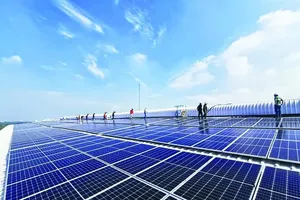
Vietnam and other developing countries continue to face limitations in access to technologies for the green transition, digital transformation, and the development of marine renewable energy. As a result, mechanisms for technology sharing and the transfer of innovations under the framework of the United Nations are essential, the statement said.
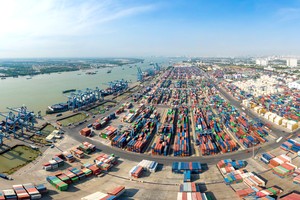
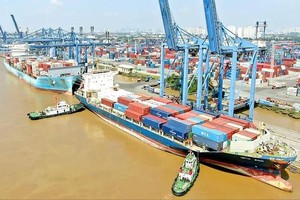
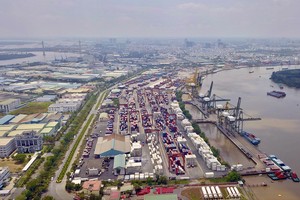
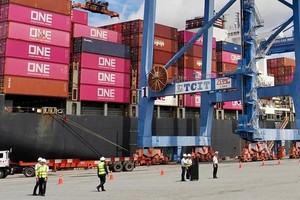
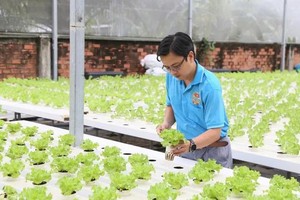
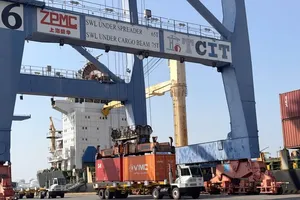
Deputy Prime Minister Tran Hong Ha stressed that the development of the marine economy must follow a modern and sustainable trajectory, underpinned by the application of science and technology and closely aligned with digital and green transitions. He called for the modernization of key marine economic sectors with high value added, including industrial-scale offshore aquaculture, sustainable fisheries, maritime and logistics services, and a circular marine economy.
Entering a new phase of development, the sustainable growth of Vietnam’s marine economy requires an upgraded, high-quality growth model based on innovation, advanced science and technology, and deeper international integration. At the same time, it is essential to strengthen pollution control, protect the marine environment, expand marine protected areas, and enhance climate change adaptation, thereby contributing to the safeguarding of security and sovereignty at sea and the advancement of maritime diplomacy.