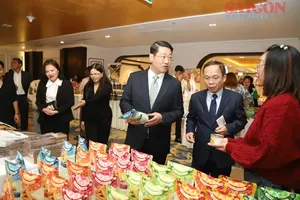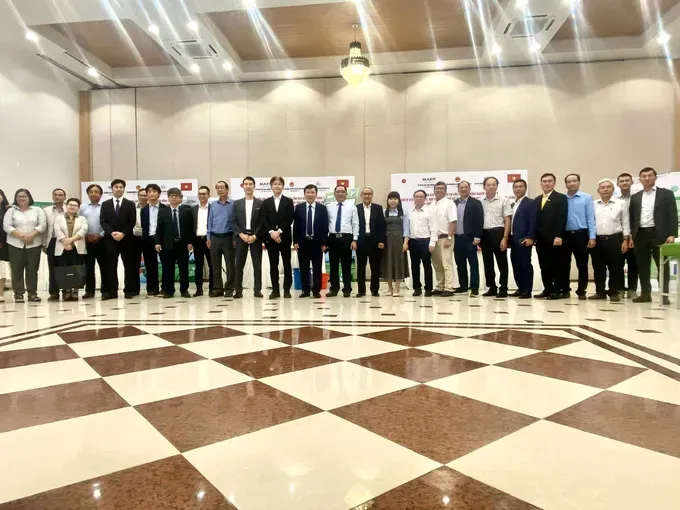
Attendees included leaders from the Can Tho People’s Committee; Mr. Hagiwara, Deputy Director of the Office of the Minister in charge of Environment, Export, and International Affairs under the Ministry of Agriculture, Forestry and Fisheries of Japan; and representatives from numerous companies operating in rice and agricultural products.
The forum, themed “Promoting Investment and Technological Cooperation with Japan in Developing High-Quality, Low-Emission Rice Regions Linked to Green Growth in the Mekong Delta,” introduced participants to the project “Sustainable Development of One Million Hectares of High-Quality, Low-Emission Rice Linked to Green Growth in the Mekong Delta by 2030.” Delegates were briefed on the project’s opportunities, cooperation potential, and Can Tho City’s investment needs.
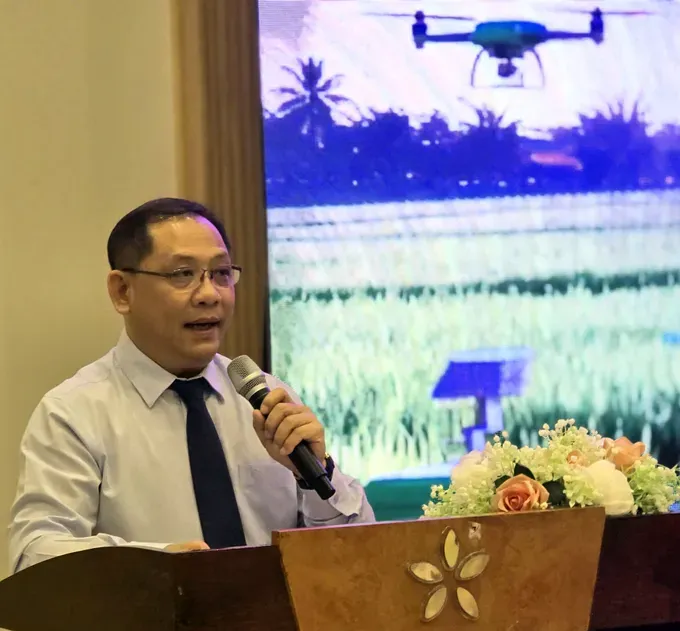
Speaking at the forum, Vice Chairman of the People’s Committee of Can Tho City, Tran Chi Hung, emphasized that the event holds significant importance as a platform to discuss opportunities for technical and technological cooperation and investment from Japanese partners in implementing the project, which has been assigned by the Government to the Ministry of Agriculture and Environment.
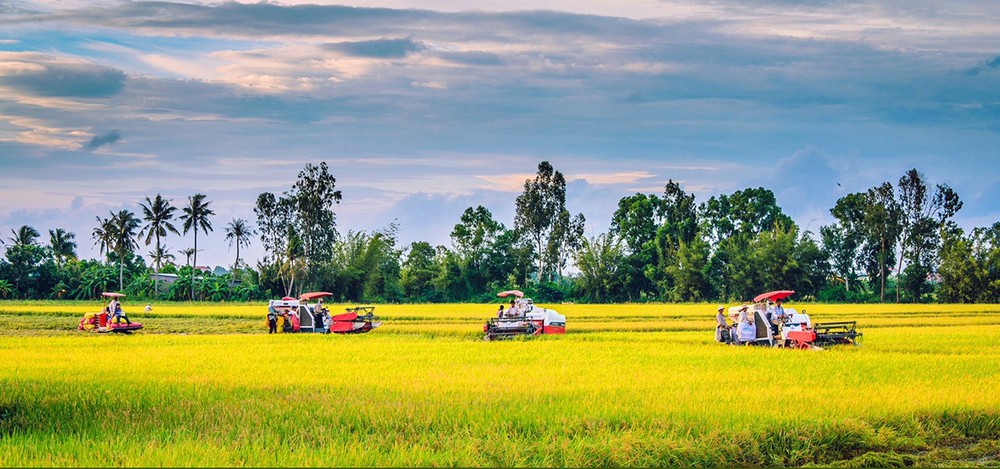
Can Tho serves as a driving hub of the Mekong Delta, offering favorable conditions for high-quality agricultural development with over 511,000 hectares of farmland, including 319,000 hectares of rice, and an annual cultivation area exceeding 700,000 hectares. The city is not only a key production zone but also a binding nucleus for linking and disseminating sustainable agricultural models throughout the region.
In recent years, Can Tho has taken the lead in applying science and technology to promote the production of high-quality, low-emission rice and climate-smart farming models. These achievements have made a significant contribution to the implementation of the project. However, the Mekong Delta continues to face severe impacts from climate change, creating an urgent need to innovate production methods, modernize value chains, and enhance competitiveness.
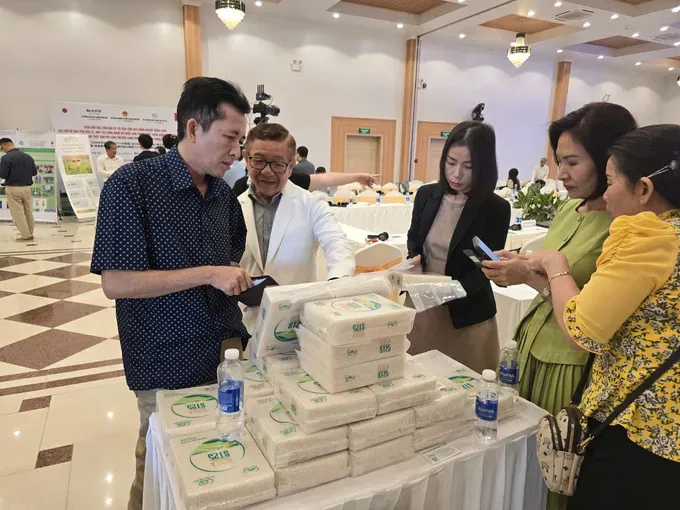
In this transition, international cooperation plays a crucial role, particularly with Japan, a country renowned for its advanced agriculture, efficient governance, high technology, and top-tier quality standards. With strong engagement and high responsibility from the Ministry of Agriculture and Environment, relevant ministries, local authorities, experts, scientists, businesses, and farmers, along with active support from the Japanese Government, the Japan International Cooperation Agency (JICA), and Japanese enterprises, numerous opportunities for agricultural development in the Mekong Delta and nationwide are emerging. This provides a foundation for both sides to expand cooperation and jointly build a sustainable rice value chain, advancing green development in the Mekong Delta.
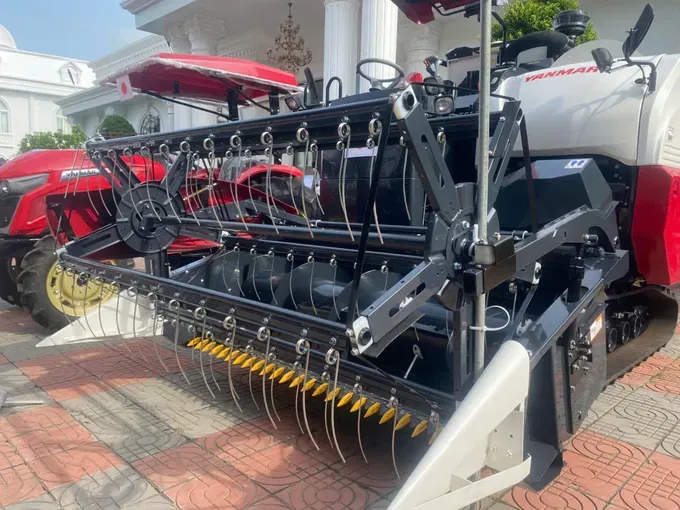
Mr. Hagiwara emphasized that the forum provides an opportunity for Japanese businesses to hear firsthand the interests and needs of stakeholders from both Japan and Vietnam. Through this engagement, Japanese companies can participate in the project, with the Ministry of Agriculture, Forestry, and Fisheries of Japan offering its fullest support for these activities.
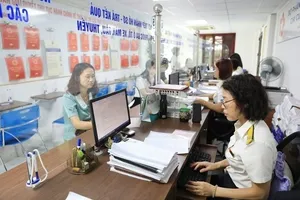
Vice Chairman of the People’s Committee of Can Tho City, Tran Chi Hung, stated that the city is committed to providing a favorable investment environment, streamlining administrative procedures, and offering prompt support to help Japanese businesses implement projects effectively. The city will accompany investors, proactively addressing challenges throughout the project lifecycle.
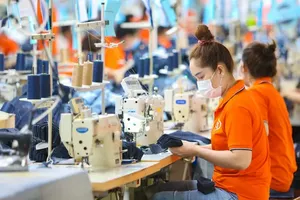
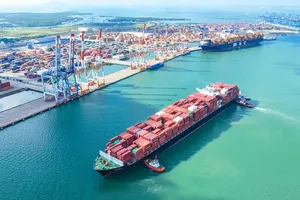
Efforts will include developing infrastructure for production, processing, and logistics to meet the growing demand for high-quality, low-emission rice, as well as ensuring sufficient land, raw material areas, and human resources to support high-tech agricultural collaborations. Additionally, the city aims to promote research, innovation, and digital transformation in rice production and agricultural management, he added.