The upward adjustments clearly reflect mounting supply–demand pressure as pork consumption surges ahead of the holiday.
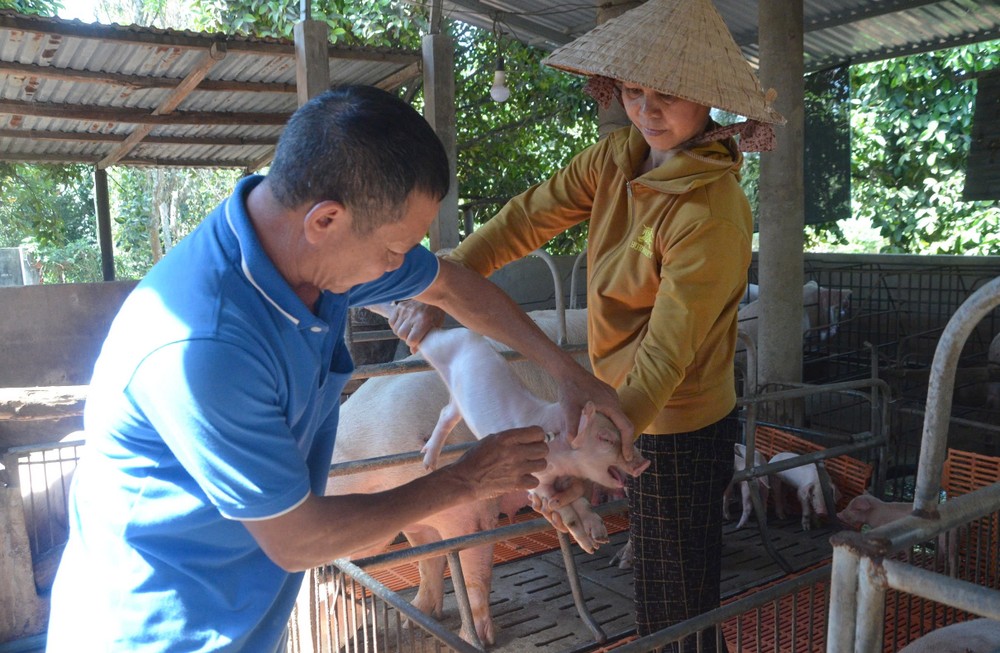
Live hog prices in Northern Vietnam continued to edge up by VND1,000 per kilogram in several provinces on January 28. Specifically, prices in Ninh Binh, Quang Ninh, and Hung Yen climbed to VND81,000 per kilogram, while Lang Son and Dien Bien reached VND80,000 per kilogram.
In the Central and Central Highlands region, live hog prices in Thanh Hoa, Ha Tinh, Quang Tri, Hue, Da Nang, Gia Lai, and Khanh Hoa all rose by VND1,000 per kilogram. Among them, Thanh Hoa recorded the highest level in the region at VND80,000 per kilogram, while Ha Tinh increased to VND78,000 per kilogram.
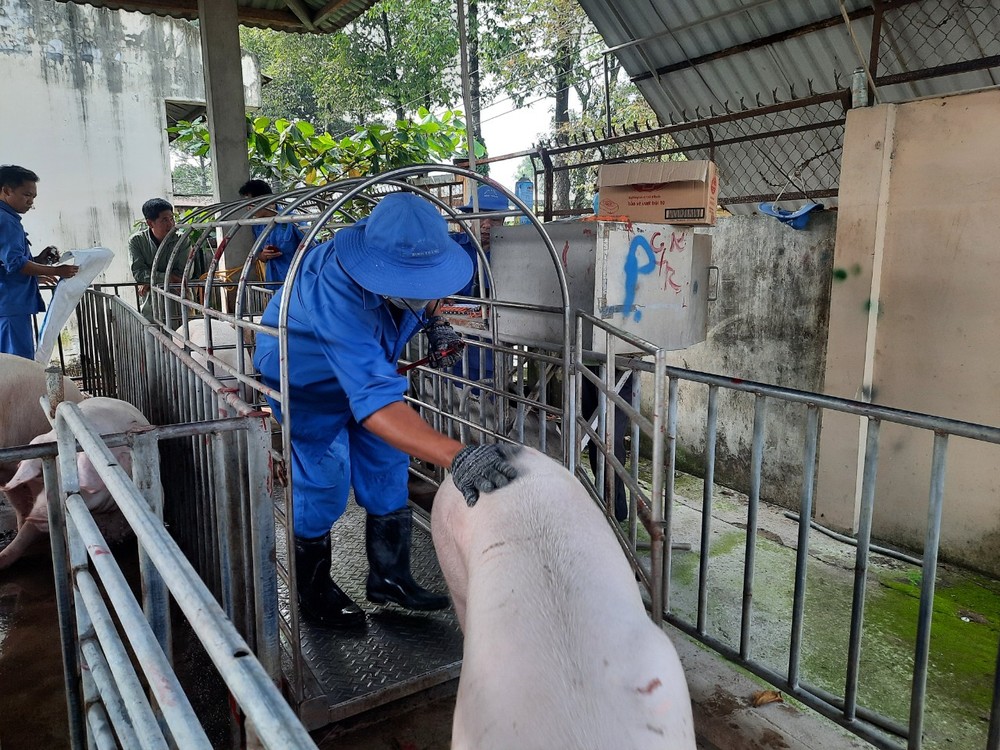
In the Southern provinces, the market saw modest gains in a few localities. Prices in Tay Ninh and Vinh Long both rose by VND1,000 per kilogram to VND77,000 and VND76,000 per kilogram, respectively. Meanwhile, no new changes were reported in Dong Nai, Dong Thap, An Giang, Ca Mau, HCMC, and Can Tho. Dong Nai is currently holding at VND78,000 per kilogram, while HCMC and Dong Thap stand at VND77,000 and VND76,000 per kilogram, respectively. Overall, compared with late 2025, domestic live hog prices have risen by more than VND10,000 per kilogram.
According to Mr. Nguyen Tri Cong, Chairman of the Dong Nai Livestock Association, the sharp increase in live hog prices is primarily driven by short-term supply shortages, compounded by the dual impact of African swine fever (ASF) and storms and flooding in 2025. Beyond ASF, the recurrence of several diseases has also undermined herd productivity, particularly porcine reproductive and respiratory syndrome (PRRS), commonly known as blue-ear disease—a silent but highly damaging threat to pig farms. Under normal conditions, a sow typically produces around 12 piglets per litter, but when infected with PRRS, this number falls to just eight or nine, significantly dragging down output.
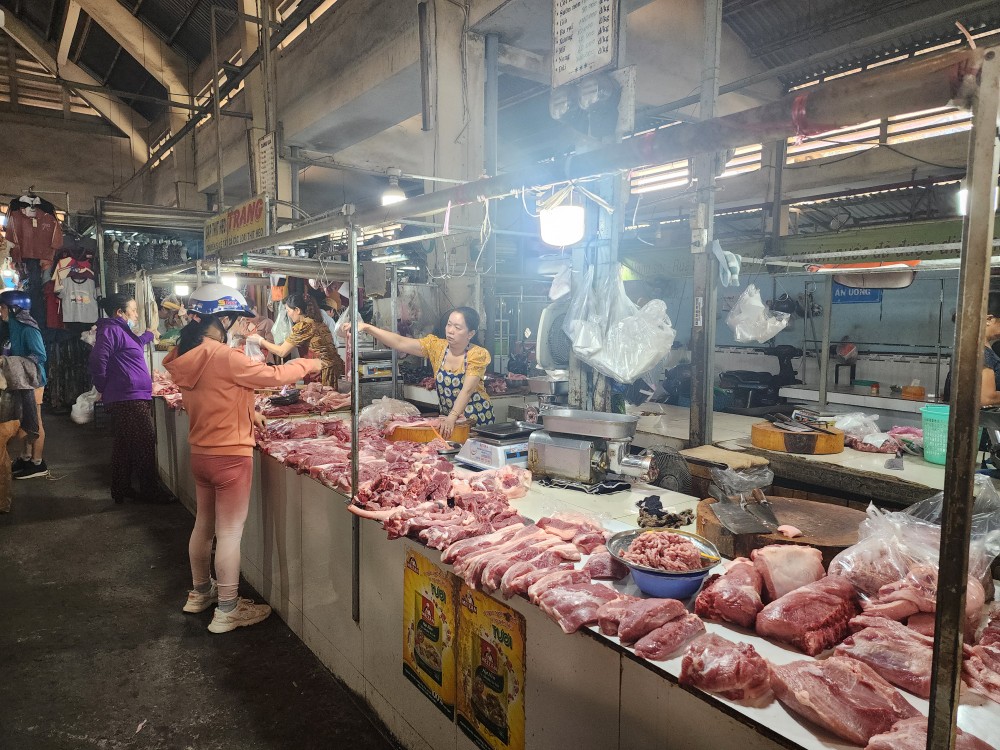
Some livestock experts forecast that live hog prices could continue to rise in the final days of the lunar year as slaughtering and procurement intensify to meet demand for the festive season. After the holiday, the market is expected to cool as consumer demand gradually eases and supply is replenished.