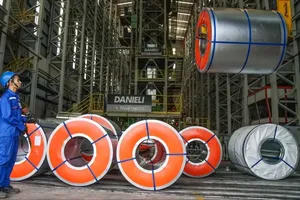
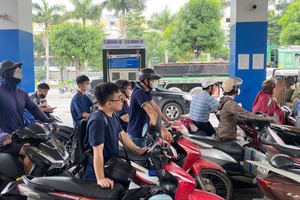
Recently, the price of a bowl of pho (Vietnamese noodle soup) at many eateries in the capital city of Hanoi has increased by several thousand dong. Restaurant owners attribute the rise to higher prices for beef, cooking gas and transportation.
Since late February, escalating military tensions between the United States, Israel and Iran have raised concerns about instability in the global energy market.
Although not directly affected by the conflict, Vietnam’s open economy quickly feels global shocks through fuel prices, transport costs and exchange-rate pressures.
Rising fuel prices push up transportation costs, while higher logistics expenses lead to increased prices of goods. Consumers feel these changes most clearly through everyday services such as food and travel.
A key factor is the structure of Vietnam’s energy supply, which still depends heavily on imported fuels for production and consumption.
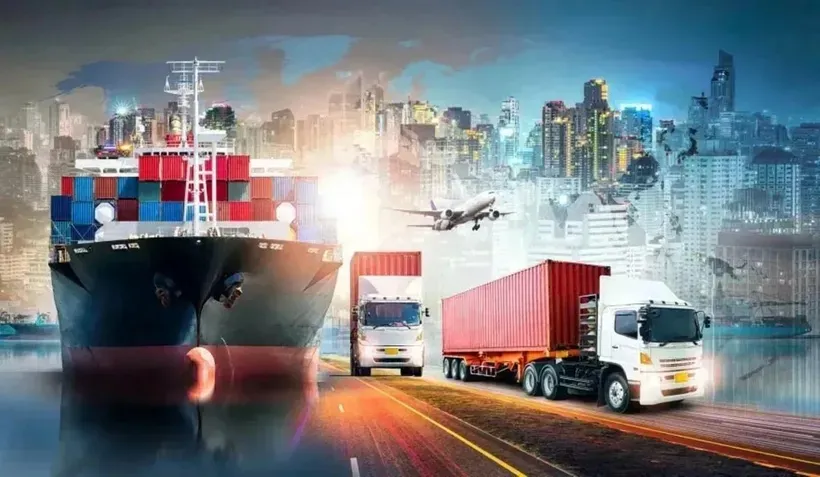
According to research by Vietnam Investment Credit Rating Joint Stock Company (VIS Rating), the country imports around US$20 billion worth of crude oil, petroleum and related products each year. A large share of the supply comes from the Middle East. When instability arises in the region, the risk of disruptions to shipping through the Strait of Hormuz could immediately drive up oil and gas prices, spreading energy costs across many sectors of the economy.
Despite these challenges, several factors support Vietnam’s ability to cope with inflationary pressure. One policy direction is to maintain a more cautious monetary policy to control inflation risks and stabilize the exchange rate. At the same time, ensuring energy security remains a priority. Diversifying crude oil sources for domestic refineries and maintaining stable fuel production could help reduce dependence on geopolitically sensitive regions, thereby limiting external price shocks.
Another key support for the Vietnamese economy is foreign direct investment (FDI). With a stable political environment and an increasingly prominent role in global supply chains, Vietnam continues to attract international investors. FDI not only boosts production but also provides foreign currency inflows, helping ease exchange-rate pressure and stabilize prices.
For businesses, rising costs require operational adjustments, including optimizing supply chains, saving energy, managing exchange-rate risks and seeking alternative sources of raw materials.
For an open economy, external shocks are inevitable. Timely risk assessment and flexible policy responses are crucial to controlling prices and maintaining macroeconomic stability, the basis for sustainable growth.