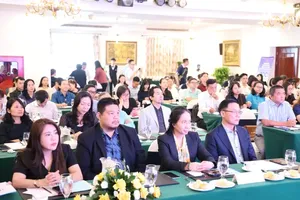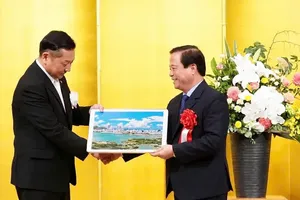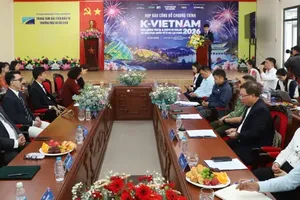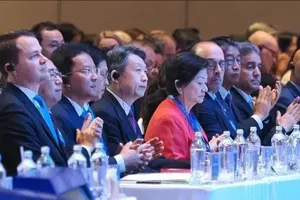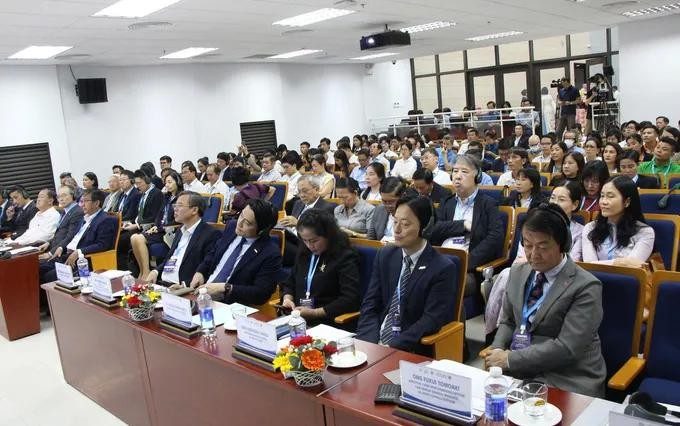
The People’s Committee of Can Tho City, in collaboration with the Japan International Cooperation Agency (JICA) and Can Tho University, yesterday hosted the Vietnam–Japan Business Connection Forum under the theme “Exploring the Trade Potential of the Mekong Delta”.
The Mekong Delta region holds a strategic position in Vietnam’s food security and economy, contributing 50 percent of national rice output, 95 percent of rice exports, 65 percent of farmed seafood, and 70 percent of fruit production. Japan currently has nearly 200 projects in the region, with total investment exceeding US$2.2 billion accounting for 10.5 percent of the region’s total foreign direct investment (FDI).
Okabe Mitsutoshi, Chief Representative of the Japan External Trade Organization (JETRO) in Ho Chi Minh City, highlighted that Japanese businesses see vast opportunities in the Mekong Delta, especially in agriculture and aquaculture—two of the region’s strongest sectors. He noted that Japan’s advanced technology could help Vietnamese enterprises enhance the added value of agricultural products. However, he also acknowledged that the number of Vietnamese firms proactively seeking partnerships remains limited. “Through this event, we hope Vietnamese and Japanese companies will strengthen their connections to foster mutually beneficial cooperation,” he said.
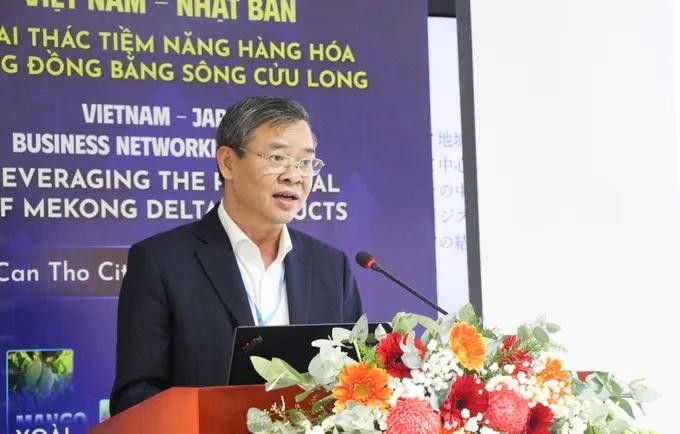
Can Tho City Chairman Truong Canh Tuyen emphasized that the Mekong Delta plays a pivotal role in Vietnam’s food security and export strategy, with Can Tho serving as the region’s economic and logistical hub. With ongoing improvements in transport and logistics infrastructure, goods from the Mekong Delta are increasingly able to meet Japan’s strict market standards.
Chairman Truong Canh Tuyen also noted that despite the region’s enormous potential, Japanese investment and cooperation results have yet to reach their full potential. He affirmed that Can Tho is committed to providing transparent, streamlined administrative procedures, along with support in land access and workforce development, to ensure that Japanese enterprises can invest and operate with confidence. “With our abundant supply of rice, seafood, and fruit, we look forward to strategic partnerships with Japan—leveraging its strengths in technology, quality management, and green standards,” he concluded.
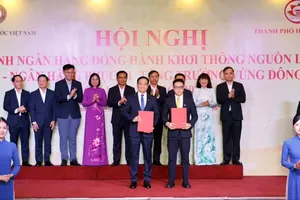
At the event, Can Tho University, AEON Vietnam, Takesho Food & Ingredients Company and Takesho Food Company signed a memorandum of understanding to cooperate in developing processed products under AEON’s private label TOPVALU, produced by enterprises in the Mekong Delta region. The project aims to leverage the region’s abundant raw materials, conduct research and development of processed food products, and ultimately establish the “Made in Mekong Delta” brand.