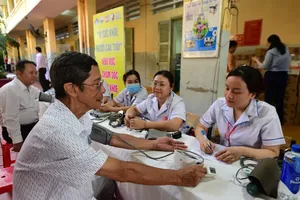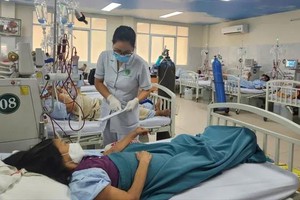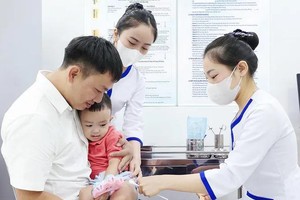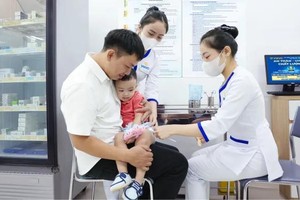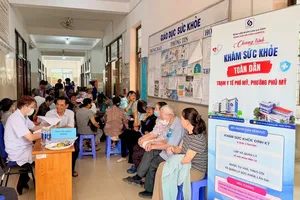
With respiratory infections surging past 140,000 cases since March, the Ho Chi Minh City Center for Disease Control (HCDC) has issued a document to public and private hospitals across the city to strengthen the surveillance of severe viral pneumonia (SVP).
According to HCDC, the city has recorded a continuous increase in respiratory infections since early March, with nearly 140,000 cases reported, including 34 cases of severe viral pneumonia.
Seasonal factors and rising risks
The current transitional weather season, characterized by erratic changes in temperature and humidity, creates favorable conditions for respiratory pathogens to develop and spread. This particularly impacts seasonal flu and pneumonia-causing viruses. Additionally, the upcoming summer travel season increases the risk of transmission in crowded public areas.
To detect highly dangerous respiratory viral pathogens early and monitor the circulation and mutation of influenza viruses and SARS-CoV-2, HCDC requested that local public and private hospitals monitor suspected SVP cases among incoming patients.
Specifically, health authorities will collect surveillance samples from SVP cases where patients present with a sudden fever above 38 degrees Celsius, difficulty breathing such as rapid shallow breathing or labored breathing observed by doctors or measured via blood gas analysis and X-ray images showing damage indicative of viral pneumonia, or when the attending physician suspects a viral etiology.
Criteria for Avian Influenza suspected cases
Surveillance will also target suspected cases involving patients who exhibit a fever above 38 degrees Celsius, coughing, a sore throat, and respiratory inflammation, which may include shortness of breath or chest pain, combined with specific epidemiological history. Within 14 days prior to symptom onset, these individuals must have:
· Had close contact with sick or dead poultry and birds, or their waste during farming, trading, transporting, slaughtering, or processing phases.
· Consumed raw poultry blood pudding or undercooked meat from diseased poultry.
· Had close contact with suspected, probable, or confirmed cases of Influenza A (H5N1) during work, daily life, caregiving, or social interactions.
HCDC requested that all public and private hospitals in the city submit viral severe pneumonia case investigation forms and test requisition forms to HCDC. Following this step, institutions must forward clinical specimens along with both forms to the Pasteur Institute in Ho Chi Minh City.
Protocols for suspected cases and contacts
According to HCDC, suspected Influenza A (H5N1) cases must be isolated within medical examination and treatment facilities. Personnel transporting these patients must be equipped with full personal protective equipment, and transport vehicles must be processed according to Ministry of Health regulations regarding Influenza A (H5N1) outbreak management.
For individuals who have been in contact with patients or suspected Influenza A (H5N1) cases, institutions must compile a tracking list and provide health monitoring instructions. The monitoring period spans 14 days from the last contact for adults and 21 days for children under 15 years old. These individuals must measure their temperature daily and immediately notify their local health station if their temperature exceeds 38 degrees Celsius or if they develop suspected symptoms.
)