Affirming its role as a regional gateway
Amid the growing momentum of regional integration, relations between Vietnam and ASEAN member states continue to expand through multiple layers of cooperation, ranging from state diplomacy and Party-to-Party relations to economic, cultural, educational and people-to-people exchanges.
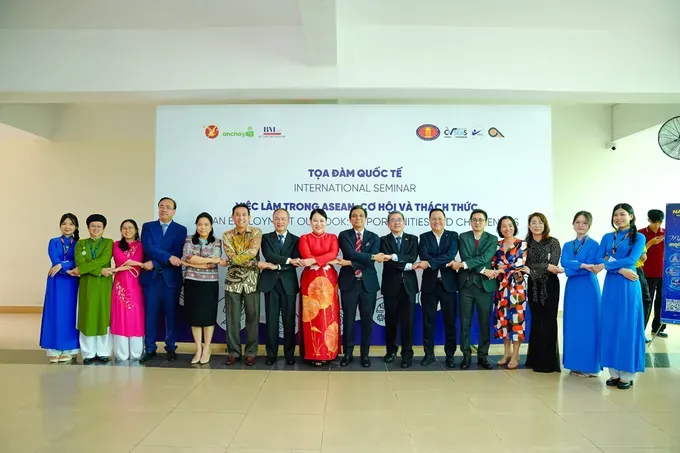
As one of Vietnam’s most dynamic urban centers, Ho Chi Minh City is reinforcing its position as a gateway where Vietnam meets, engages and helps shape the future together with Southeast Asian nations.
While official cooperation mechanisms provide political and legal foundations, connections among local authorities, universities, research institutes, businesses, friendship organizations and local communities have made the ASEAN spirit more tangible and sustainable in everyday life.
The year 2026 marks a new phase of ASEAN development with several significant milestones. Timor-Leste’s accession as the bloc’s 11th member not only expands ASEAN’s scale, but also enriches regional cooperation in politics, economics, culture, education and people-to-people exchanges.
Under the ASEAN Chairmanship theme “Navigating Our Future, Together,” the Philippines has emphasized solidarity, adaptability and the shared determination to build a peaceful, dynamic and sustainable Southeast Asia.
As ASEAN enters a new stage requiring deeper regional connectivity, Vietnam continues to affirm its role as an active, responsible and proactive member of the regional community.
Vietnam’s relations with ASEAN countries have also deepened through the establishment of comprehensive strategic partnerships with Malaysia, Indonesia, Singapore and Thailand. These ties provide an important foundation for both Vietnam and Ho Chi Minh City to further expand cooperation in politics, trade, investment, culture, science, education, digital transformation, green development and people-to-people exchanges.
From a cultural perspective, Ho Chi Minh City possesses a strong capacity to absorb, harmonize and spread the diverse values of Southeast Asia. The city has developed through interactions among various communities and cultural influences, including Vietnamese, Chinese, Khmer, Cham, Indian, Western and maritime Southeast Asian traditions. This multicultural urban structure strengthens the city’s adaptability and connectivity with regional partners.
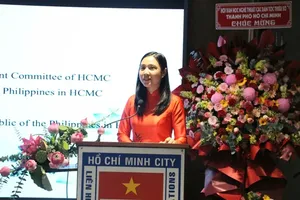
On that foundation, cultural exchange activities go beyond art performances, food festivals and exhibitions. Thai trade fairs, Indonesian cultural events, Malaysian culinary festivals, Singaporean education and trade promotion programs, Philippine Independence Day celebrations and seminars on the Halal economy have all become vibrant examples of cultural diplomacy and people-to-people relations.
Through the participation of friendship organizations, consular agencies, universities, businesses, expatriate communities, youth and students, these activities have gradually created an extensive social network connecting ASEAN more closely with urban life.
Such exchanges not only promote national images, but also strengthen intercultural understanding, mutual trust and social goodwill among countries in the region. This reflects the sustainable depth of people-to-people diplomacy, where international relations are nurtured through direct interaction and practical cooperation among individuals.
Promoting scientific and educational cooperation
Alongside cultural ties, scientific and educational cooperation between Ho Chi Minh City and ASEAN countries is opening up many practical opportunities. Universities and research institutes in the city are increasingly participating in regional research networks focusing on urbanization, climate change, sustainable tourism, heritage conservation, digital transformation, green economy, education and community development.
Experiences from Thailand in community-based tourism, Singapore in smart urban development, Malaysia and Indonesia in multicultural governance and the Halal economy, the Philippines in teacher training, as well as close ties with Laos and Cambodia, all provide valuable lessons for HCMC’s development and integration process.
Education remains a key pillar in relations between Ho Chi Minh City and ASEAN. Student and lecturer exchanges, conferences, internships, online classes, open courses and ASEAN academic networks are creating new learning spaces that bring ASEAN knowledge closer to teachers, students and communities.
As a result, younger generations are not only gaining access to new knowledge, but are also developing the ability to study, work and live in multicultural environments. This also lays the groundwork for building ASEAN citizenship, individuals who respect differences, embrace dialogue and work together toward common regional development goals.
From this perspective, HCMC is not merely a beneficiary of Vietnam-ASEAN cooperation opportunities, but can also proactively initiate new regional exchange programs. The city can continue promoting in-depth cultural exchanges, joint research projects on sustainable urban development, heritage, education, digital transformation and green economy, while expanding ASEAN education in schools and communities.
When culture fosters closeness, science strengthens problem-solving capacity, education shapes future generations and people-to-people exchanges create lasting bonds, HCMC will gain stronger foundations to contribute meaningfully to the ASEAN Community-building process.
)