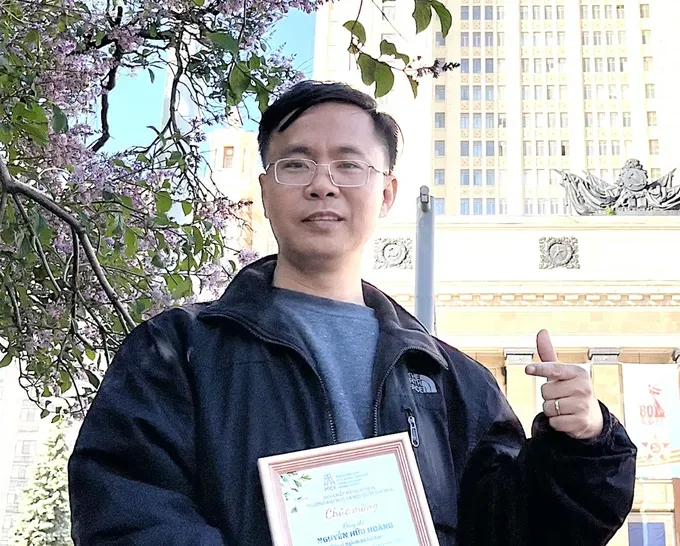
For Dr Nguyen Huu Hoang from the Academy of Politics Region II, the massive breakthrough of Resolution 09-NQ/TW firmly stems from an outstanding institutional system coupled with a robust execution apparatus. The core difference is a drastic shift in mindset, as the Central Government explicitly designed a vastly superior institutional system for HCMC, he explained.
Within this framework, the initiative to formulate the Special Urban Law is positioned as the breakthrough stage, forging an outstanding legal corridor to unblock all resources. It appears persistent bottlenecks plaguing HCMC for two decades will finally be dismantled through radical decentralization and power delegation.
The resolution grants HCMC substantive autonomy, allowing it to independently decide on increasing its payroll by no more than twenty percent, while simultaneously piloting flexible human resource models. This demonstrates the deep trust and unwavering readiness of the Central Government to let HCMC take full responsibility for final outcomes.
However, to bridge the gap between text and reality, HCMC needs to act immediately. The urgent task is swiftly institutionalizing these mechanisms into specific legislation. Concurrently, the city must build a highly capable execution apparatus driven by a strategic human resources policy involving recruiting based on competence, compensating according to market rates, and dismissing based on poor performance.
It’s viable to learn from the Singapore model of collaborating with global tech giants and flexibly applying talent visa policies. This should be piloted in the municipal departments of Construction, Science and Technology, and Finance.
Finally, establishing an independent monitoring and evaluation system is mandatory to ensure massive goals like achieving a 10-percent annual GRDP growth rate or having the digital economy account for 40 percent of the GRDP genuinely materialize, yielding lasting success for the city.
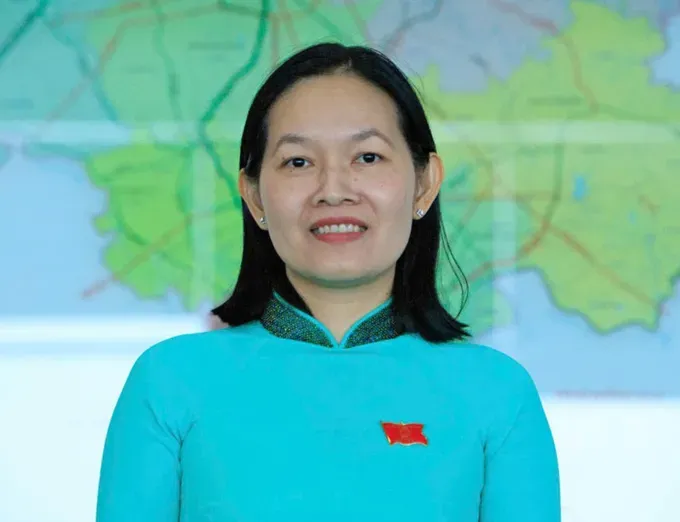
Party Secretary and Chairwoman of the People’s Council of Chanh Phu Hoa Ward Tran Thi Minh Hanh stressed that aggressive decentralization is the absolute key to enabling the grassroots government to better serve citizens.
“Resolution No. 09-NQ/TW contains numerous vital provisions that closely align with HCMC’s developmental mandates in the new era, most notably mechanisms concerning decentralization, power delegation, and the cultivation of a cadre workforce,” she observed.
The new resolution pays attention to accurately assessing competence, properly acknowledging the innovation and creativity of civil servants amidst a two-tier local government model. This acts as a pivotal driving force for officials to feel deeply secure, promoting their proactive spirit.
The resolution pushes for strong decentralization, helping localities become far more proactive in handling affairs, shortening administrative processing times for residents and enterprises. She explained that the resolution orients HCMC toward becoming a special global metropolis, untangling hurdles in the two-tier model.
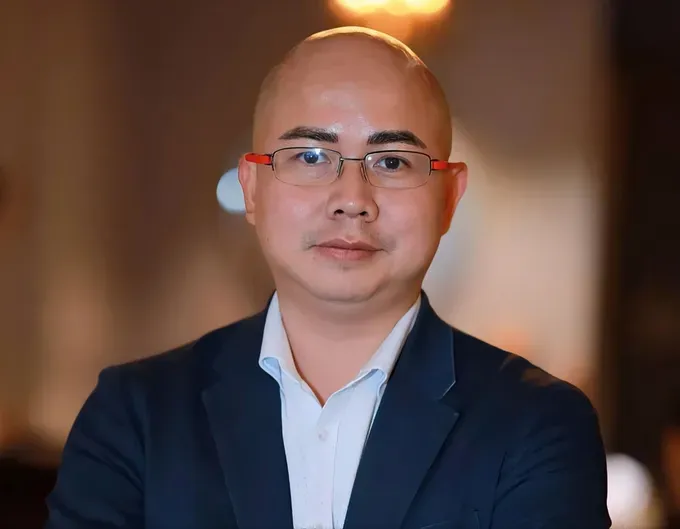
As stated by Vice President Danny Vo of the Business Association of Overseas Vietnamese and the Association for Liaison with Overseas Vietnamese in HCMC, turning grand policies into tangible actions is absolutely paramount.
“Having been closely attached to the overseas Vietnamese business community for many years, I clearly perceive a glaring paradox. HCMC doesn’t lack talent, yet it’s currently letting the ‘brain drain’ far outpace the ‘brain gain’,” he noted.
Overseas experts possessing a genuine dedication to contributing to their homeland often stumble straight into practical roadblocks, namely complicated procedures and a glaring lack of mechanisms to properly accredit international experience. Preferential mechanisms concerning taxation, residency rights, and access to capital simply aren’t clear enough for overseas entrepreneurs to lay down serious repatriation plans.
“I particularly welcome three specific orientations of the resolution: developing high-quality human resources, leveraging overseas remittances for lucrative investments, and retaining FDI enterprises to reinvest locally,” he enthusiastically added. “The policy absolutely must transition from mere paperwork to decisive action,” he emphasized, hoping expats can confidently put down roots in HCMC for the very long haul.
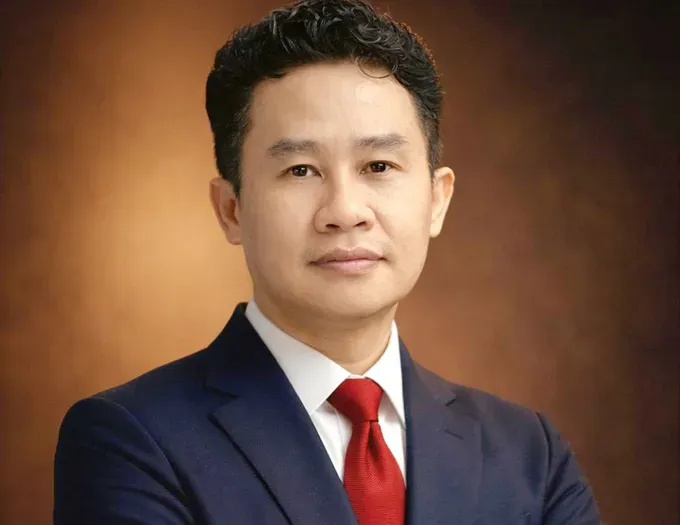
For General Director Nguyen Trung Khanh of TK 25 Technology JSC., the new framework provides a breakthrough space for science and technology enterprises. Politburo’s Resolution No. 09-NQ/TW explicitly defines the goal of transforming HCMC into the nation’s premier hub for innovation.
“Setting the ambitious target of having the digital economy account for 60 percent of the GRDP by 2035 undeniably constitutes a massive execution pressure,” he stated. This forces HCMC to shift from an antiquated growth model reliant on cheap labor, pivoting toward one anchored in knowledge. HCMC must view core technologies, like semiconductors, as strategic infrastructure.
From the business perspective, he believes the provision empowering HCMC to proactively pilot policies under the “controlled experimentation” principle is the biggest breakthrough. This unprecedented legal space allows tech firms to propose and run novel models backed by practical outputs. More importantly, this mechanism embraces risk, genuinely allowing enterprises to learn through trial and error. Dismantling the fear of failure will stimulate creative models and generate a pull for fresh investment streams.
“This is undeniably a massive opportunity, yet the accompanying responsibilities are incredibly heavy,” he cautioned. If HCMC doesn’t proactively seize this golden opportunity, fulfilling its pioneering mission will be extremely difficult.
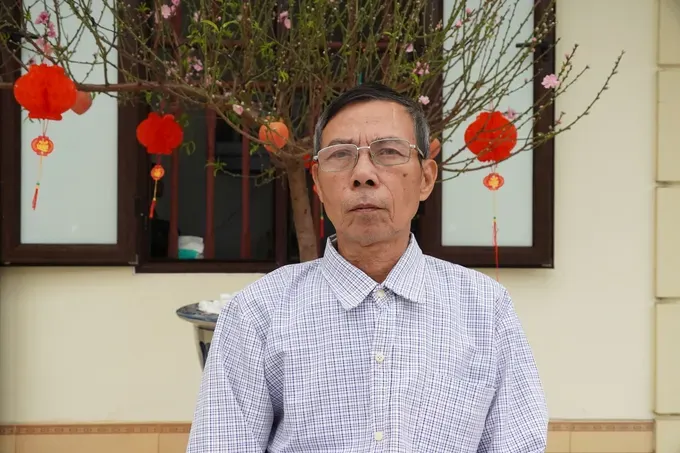
Nguyen Sy Tuy from Long Truong Ward commented that the paramount concern is resolving the city’s pressing civil livelihood issues. “I can strongly sense that the Central Government is paying deep attention and explicitly creating favorable conditions for HCMC to develop robustly via Resolution No. 09-NQ/TW,” he shared.
He harbors high hopes that these outstanding mechanisms will assist the city in tackling deeply frustrating puzzles like paralyzing traffic jams, chronic flooding, and severe environmental pollution. Besides that, he earnestly hopes the city will effectively solve the grueling problem of social housing for blue-collar workers and younger demographics.
Since housing prices are excessively steep, he hopes the city will boast more social housing projects with simplified mortgage procedures, granting ordinary workers a fighting chance to settle down and care for their families.
HCMC’s developmental goals (according to Resolution No.09-NQ/TW dated May 19, 2026)
By 2030: The city aims to become a civilized, modern, dynamic, and creative metropolis; acting as a dominant hub for economics, culture, society, science, technology, innovation, logistics, and international integration. It strives to remain dynamic and spearhead the nation’s industrialization and modernization, maintaining a prominent position within the Southeast Asian region.
By 2045: The city is envisioned as a civilized, modern, dynamic, and creative metropolis. It is slated to be Asia’s premier center for economics, culture, society, science, technology, and innovation, effectively serving as a globally alluring destination marked by uniquely distinctive cultural and social development, alongside a remarkably high quality of life and deep, extensive international integration.
Looking ahead to the 100th anniversary of the Liberation of the South and National Reunification in 2075: The city is projected to be a truly global, smart, modern, and comprehensively developed metropolis, standing firmly on par with the world’s most advanced urban centers. This grand vision encompasses sustainable green growth, a high quality of life, and effective adaptation to climate change.