Ho Chi Minh City’s health authorities have moved to strengthen surveillance and preparedness measures, requiring suspected Nipah virus cases to be isolated and treated at the Hospital for Tropical Diseases amid reports of infections in India.
The Ho Chi Minh City Department of Health said that, to date, Vietnam has not recorded any cases of Nipah virus infection. In Ho Chi Minh City, advanced studies conducted on encephalitis patients using modern techniques such as metagenomics, PCR, and mass spectrometry have found no evidence of the virus.
These studies were carried out by the Oxford University Clinical Research Unit in collaboration with the Ho Chi Minh City Hospital for Tropical Diseases, focusing on patients in the city and southern provinces.
According to the Department of Health, the current risk of a Nipah virus outbreak in Ho Chi Minh City is considered low. However, the possibility of the virus entering from abroad cannot be ruled out due to increasing international travel and cross-border interaction.
The city’s health sector has advised residents to regularly update information from official sources, remain aware of disease prevention measures, and refrain from panic or excessive anxiety.
Officials stressed that preparedness efforts are precautionary and based on risk assessment rather than the presence of confirmed cases.
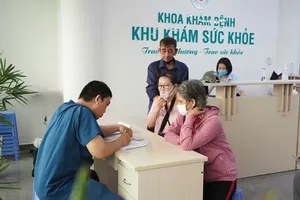
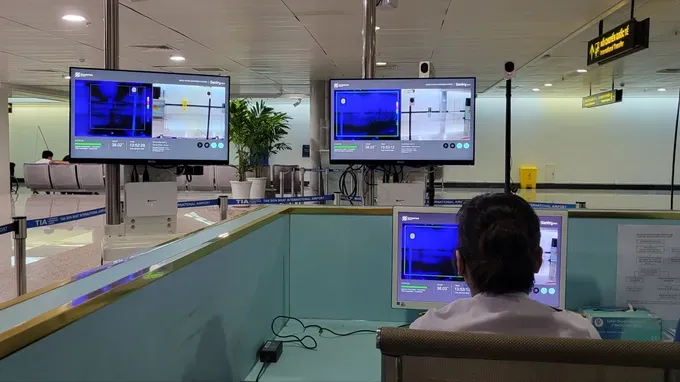
To proactively prevent the virus from entering and spreading in the community, the Department of Health has ordered enhanced medical surveillance at Tan Son Nhat International Airport, particularly for passengers arriving from or transiting through areas where Nipah cases have been reported.
Passengers showing symptoms such as fever or abnormal respiratory or neurological signs will be closely monitored and promptly transferred to the Ho Chi Minh City Hospital for Tropical Diseases for isolation, diagnosis, and treatment in accordance with regulations.
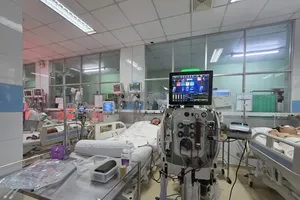
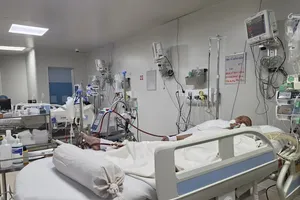
The Department of Health has instructed the Ho Chi Minh City Hospital for Tropical Diseases to be fully prepared to receive, isolate, and treat suspected or confirmed Nipah cases. The hospital is also tasked with organizing training on diagnosis, treatment, and infection prevention for healthcare facilities across the city.
Medical establishments are required to strictly comply with personal protective measures for healthcare workers and strengthen infection control protocols. Special attention must be given to cases of acute encephalitis of unknown origin, with thorough epidemiological investigations covering travel history, contact exposure, occupation, and animal exposure.
Healthcare facilities are also required to proactively consult with the Ho Chi Minh City Hospital for Tropical Diseases to ensure that no suspected cases are overlooked.
Public Health Recommendations
For Individuals Returning to Vietnam from Outbreak Areas
- Monitor your health closely for at least 14 days after entry.
- Seek immediate medical care if suspicious symptoms appear; do not attempt self-treatment at home.
- Fully cooperate with health surveillance measures at border crossings and within the community when requested.
For Individuals Traveling to Outbreak Areas
- Avoid contact with fruit bats, pigs, and other animals showing signs of illness.
- Do not consume food or drinks that may be contaminated with bat droppings (e.g., fallen fruit, unsealed fresh fruit juice).
- Maintain good personal hygiene and wash hands frequently with soap.
If you develop symptoms such as fever, headache, cough, shortness of breath, or altered consciousness during or after your trip, seek immediate medical attention and inform healthcare providers of your travel history.