On December 26, the city’s Department of Health convened a workshop with experts to develop a plan for the elderly care system for the period 2025–2030 and beyond.
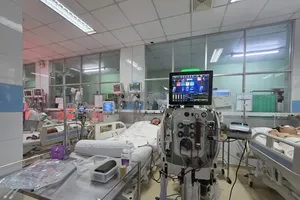
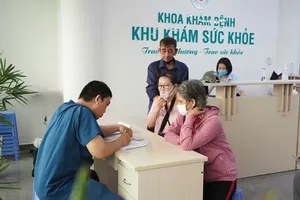
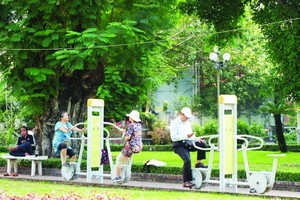
According to Nguyen Tang Minh, Deputy Director of the Department of Health, Ho Chi Minh City is home to approximately 1.6 million elderly residents but has only 36 nursing homes, highlighting an urgent need for expanded and diversified care services. He added that the current infrastructure is insufficient to meet the needs of the aging population. Of the city’s 36 facilities, 10 are public institutions that provide long-term care for more than 2,200 seniors, primarily those with special circumstances or full-time care needs.
The remaining 26 private medical facilities, operating on a smaller scale, serve about 1,300 senior citizens.
Experts noted that existing services lack diversity, particularly in specialized areas such as dementia care, post-stroke rehabilitation, and end-of-life palliative care. “These limitations show that Ho Chi Minh City needs a new care model with wider coverage, leveraging the primary healthcare network and integrating closely with the social security system,” said Pham Binh An, Deputy Director of the Ho Chi Minh City Institute for Development Studies.
He added that most facilities still follow the traditional inpatient model, which does not align with the growing demand for flexible, community-based services in urban settings. The shortage of trained personnel in geriatrics, psycho social care, and rehabilitation also undermines quality standards, while high costs and limited insurance coverage restrict access for many seniors.
International models offer valuable lessons. South Korea’s system emphasizes market-based service delivery, where the government acts as a regulator and financier while encouraging private investment. Singapore’s approach integrates healthcare, community services, and urban planning through multi-tiered financing and preventive programs such as healthier Singapore. Meanwhile, the Netherlands’ dementia village offers an innovative and human-centered model that creates a normalized living environment for patients.
Experts suggest that Ho Chi Minh City could adopt a comprehensive and multi-tiered care model based on “Housing – Community – Inpatient Facilities,” prioritizing home-based and day-care services while reserving inpatient care for specialized or advanced needs. Developing digital platforms, strengthening ward-level healthcare links, expanding human resources, and attracting private investment will be essential to building a sustainable elderly care ecosystem for the future.