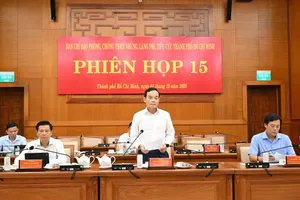
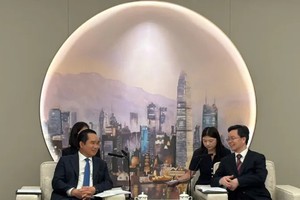
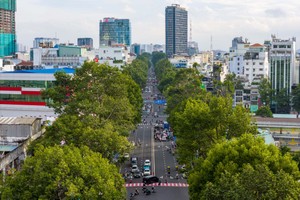
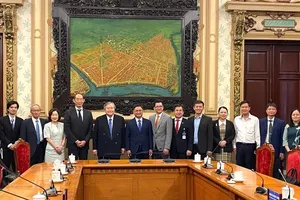
On October 3, at the Government’s regular September meeting, held in person and online with ministries, agencies and localities and chaired by Prime Minister Le Minh Hung, Standing Vice Chairman of the Ho Chi Minh City People’s Committee, Nguyen Loc Ha, reported on the city’s socio-economic situation.
FDI attraction emerges as a bright spot
On August 24, the National Assembly passed the Law on Urban Development. According to Standing Vice Chairman of the Ho Chi Minh City People’s Committee, Nguyen Loc Ha, the city subsequently moved quickly to issue directives and plans for its implementation. In less than a month, the municipal People’s Council adopted 25 resolutions to promptly concretize the law’s provisions, which took effect on October 1, 2026, providing a basis for putting the new mechanisms and policies into practice. Their implementation has received attention, broad consensus, and positive support from residents and the business community.
According to the Standing Vice Chairman of the Ho Chi Minh City People’s Committee, the city’s third-quarter growth reached 9.86 percent, while growth in the first nine months stood at 9.06 percent, making an important contribution to the country’s overall economic growth.
Several targets have recorded strong results. Mobilized social investment resources increased by more than 17 percent, the highest level in recent years, while the city’s budget revenue reached approximately 84 percent of the target.
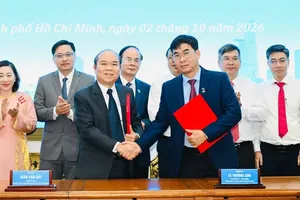
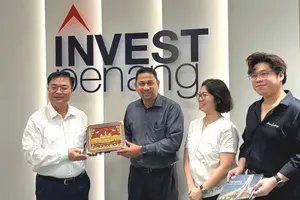
Notably, foreign direct investment (FDI) attraction exceeded US$17.8 billion, 4.2 times higher than the same period last year. This is a positive indication of businesses’ confidence in the city’s investment environment, as mechanisms and policies have been unlocked and greater authority has been decentralized by central authorities.
However, some growth drivers have yet to be fully leveraged, while production and business activities remain difficult for a number of enterprises. Meeting the targets of double-digit growth, state budget revenue of VND1 quadrillion, and 100 percent disbursement of the planned public investment capital remains a major challenge.
According to Standing Vice Chairman of the Ho Chi Minh City People’s Committee, Nguyen Loc Ha, in the final three months of 2026, the city will focus heavily on three key targets: achieving double-digit growth, raising state budget revenue to VND1 quadrillion and disbursing 100 percent of the planned public investment capital.
The city has determined that fourth-quarter growth must exceed 13.23 percent for full-year growth to surpass 10 percent. It has also identified specific sectors, industries, projects, and businesses capable of generating additional growth momentum and value in the fourth quarter.
Interregional metro projects totaling approximately 90km to be developed
The city is currently implementing a detailed plan for state budget revenue collection in the final three months of the year, setting specific monthly targets and identifying sources and individual revenue items. These include revenue from land, land auctions, the settlement of financial obligations in full, and the handling of outstanding revenue items.
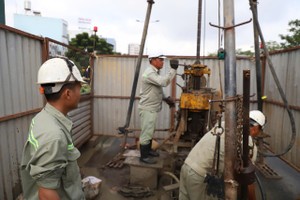
Regarding public investment disbursement in the fourth quarter, Ho Chi Minh City is determined to make up for delays earlier in the year by identifying specific disbursement targets for each project on a monthly basis. The city aims to disburse the remaining approximately VND36 trillion (US$1.4 billion) in public investment capital and achieve the 100 percent target under the assigned plan, with a particular focus on interregional transport connectivity projects and urban railway projects.
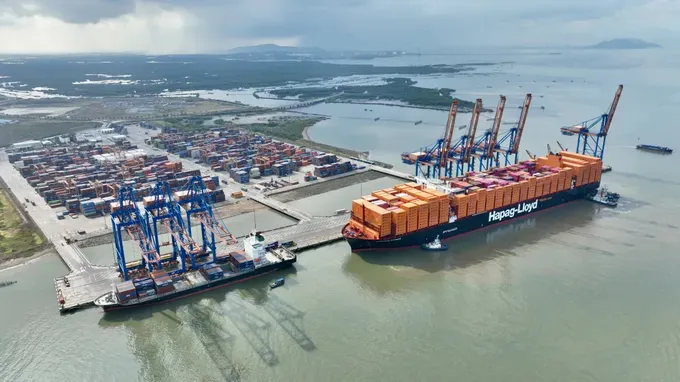
The city will also work closely with investors to disburse investment capital for key projects whose investment policies have been approved under the Law on Investment, including projects in Can Gio, the Can Gio International Transshipment Port project and the Ben Thanh–Can Gio railway project.
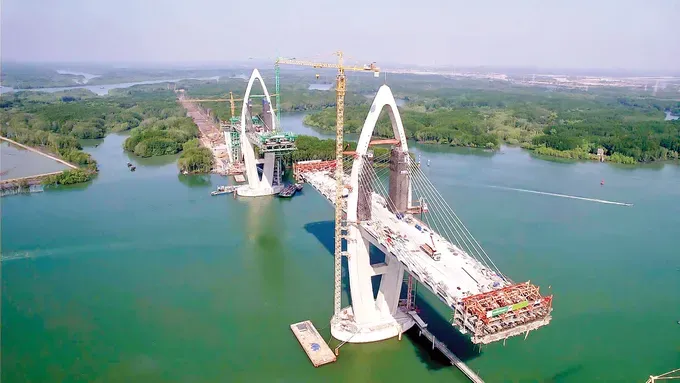
In addition, the city is implementing public-private partnership projects involving strategic enterprises that have received approval. These include the Rach Chiec National Sports Complex, the Ho Chi Minh City Square and Administrative Center, and the Can Gio–Vung Tau sea-crossing road project. These are projects that investors have already begun implementing in the city and for which disbursement is progressing well. At the same time, the city is expediting administrative procedures to select investors for interregional metro projects with a combined length of approximately 90km.
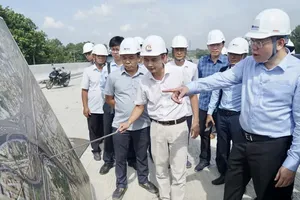
According to the Standing Vice Chairman of the Ho Chi Minh City People’s Committee, the first phase of the Ho Chi Minh City tidal flood-control project, which incorporates climate change considerations, is expected to become operational in November in line with the Prime Minister’s direction.
Meanwhile, the city will continue to concretize the Law on Urban Development, with 36 resolutions expected to be adopted in October and about 40 remaining resolutions targeted for completion during the year-end session.
)