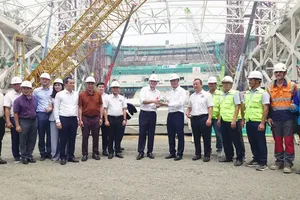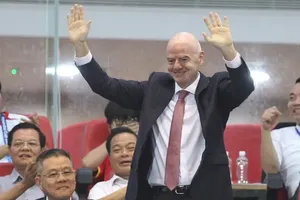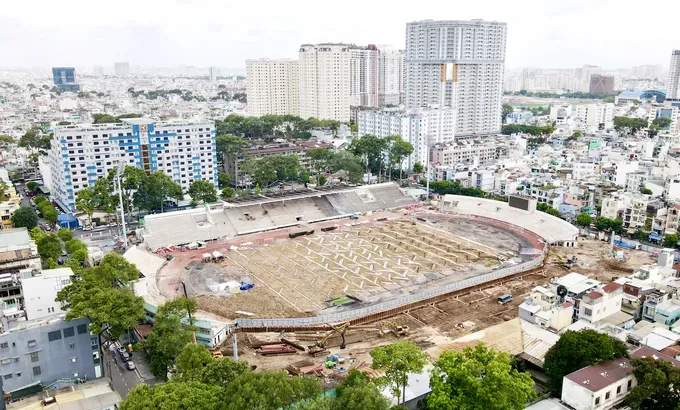
From infrastructure upgrades to operational execution, meticulous preparations are underway across all fronts.
Scheduled to run from November 14 to December 12, the quadrennial spectacle stands as Vietnam’s largest sporting event and a definitive barometer of regional athletic development. As the primary host bearing the brunt of the workload, Ho Chi Minh City faces a dual challenge: asserting its sporting dominance on the medal tally while smoothly managing and hosting tens of thousands of participants.
According to Deputy Director of the Ho Chi Minh City Department of Culture and Sports, Nguyen Nam Nhan, comprehensive preparations are moving forward across all fronts. The authorities are focusing on upgrading infrastructure, training personnel, and crafting operational strategies to ensure a safe, professional, and efficient game, Mr. Nhan said.
To meet hosting requirements, the city has earmarked roughly 31 competition venues. Rather than embarking on a massive spending spree for new facilities, the municipal government has opted to overhaul existing infrastructure, addressing key shortcomings such as playing surfaces, lighting, function rooms, restrooms, safety systems, and scoring equipment.
A series of iconic sports venues across the city have undergone or are currently undergoing major overhauls, including Hoa Lu Stadium in Saigon Ward; Phu Tho Indoor Sports Stadium, Phu Tho Training Center, Phu Tho Aquatics Club in Phu Tho Ward; and Thong Nhat Stadium in Dien Hong Ward. Among these, renovation work at Hoa Lu Stadium was completed in late 2025, while Phu Tho Indoor Sports Stadium reopened on July 1, 2026, following extensive repairs. Meanwhile, contractors are racing to put the finishing touches on Thong Nhat Stadium.
With an anticipated turnout of 12,000 participants, arranging accommodation, transport, security, healthcare, and inter-venue traffic management has emerged as a top-priority task. Municipal departments and relevant units are coordinating closely to devise optimal operational plans, minimizing potential disruptions during the Games.
For this edition, Ho Chi Minh City aims to leave a distinct mark by introducing a modern governance model anchored in digital transformation. The city is developing a unified digital ecosystem connecting every phase of operations—from delegate registration and e-accreditation to competition management, real-time results updates, logistics, and public services. Furthermore, the standardized deployment of Video Assistant Referee (VAR) systems in eligible sports, alongside live television broadcasts and streaming, serves as a cornerstone strategy to guarantee fairness and transparency while bringing the Games closer to the wider public.
Building on the success of the 1st Ho Chi Minh City Sports Festival in 2026, municipal authorities boldly proposed, and received approval from the Ministry of Culture, Sports and Tourism, to host the opening ceremony at the open-air Saigon Riverfront Park. A fusion of light, music, cutting-edge technology, and the city’s signature waterfront landscape is expected to forge a distinct identity for the nation's premier sporting event.
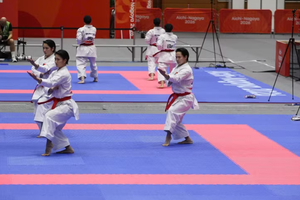
The 2026 National Sport Games will gather approximately 12,000 officials, coaches, and athletes representing 36 delegations nationwide, competing across 48 sports and 973 events. Immense responsibility rests on the shoulders of the city’s sports sector. Through rigorous preparation and firm resolve, Ho Chi Minh City aims to deliver a resounding success that reflects its stature as the country’s economic and cultural powerhouse.











)