The city is advancing its smart city strategy through four key pillars, including digital infrastructure and platforms, digital governance, digital economy and digital society, according to officials from the municipal Department of Science and Technology.
In terms of infrastructure, Ho Chi Minh City has developed a shared Data Lake integrating data from multiple departments and localities, alongside publishing 91 open datasets on its data portal. The city currently operates nine major data centers and is preparing to establish four hyperscale data hubs.
Digital governance has been strengthened through interconnected document management systems and intelligent operation centers, with the goal of delivering public services seamlessly, regardless of administrative boundaries.
In the economic sector, the city has fostered innovation through concentrated digital technology zones such as Saigon Hi-Tech Park and Quang Trung Software Park, alongside supportive policies for science and technology enterprises and small- and medium-sized businesses.
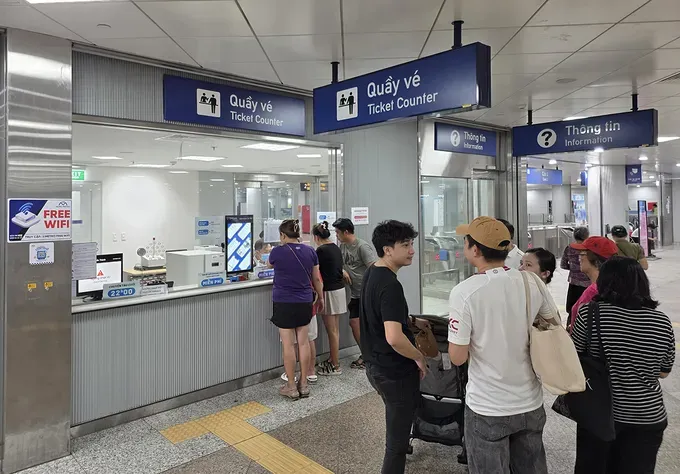
Additionally, through the “One ID” system, residents can use the VNeID platform for services such as judicial record applications and biometric authentication at Tan Son Nhat International Airport and Metro Line 1 (Ben Thanh–Suoi Tien) stations. The city’s Digital Citizen app also integrates electronic health records, education data, and urban planning information.
By 2026, the city aims to complete its Smart Urban Operations Center, leveraging artificial intelligence, machine learning, and chatbots to support decision-making and provide real-time, integrated data insights, marking a significant step toward a citizen-centric smart city model.
Data has been identified as a critical driver. Authorities are focusing on cleaning, standardizing, and maximizing data use to shift public services from administrative processing to demand-driven delivery. This will reduce paperwork, eliminate redundant information submissions, and enable automation of key procedures.
The city’s Digital Transformation Center is expected to function as a “digital brain,” enabling forecasting, early risk warnings and timely policy responses. Leaders will be able to monitor socio-economic indicators in real time, supporting faster and more informed decision-making.
Ho Chi Minh City has also approved programs in artificial intelligence, smart transport, digital healthcare, and education, while promoting green growth, clean energy, and emissions reduction in line with its Net Zero 2050 commitment.
Efforts to build a digital society are also underway, including initiatives to improve digital literacy and foster a “digital culture” among citizens. The city has established over 6,500 community digital technology teams with more than 27,500 members assisting residents in adopting digital services.
According to city officials, science and technology form the foundation of smart urban development, while innovation drives new growth models. The city is pursuing a “dual transformation” strategy, combining digital and green transitions, with its digital economy accounting for 18.7 percent of GRDP in 2023 and targeting 40 percent by 2030, aligning with rapidly developing global cities.