On the morning of April 22, following reports from Thailand of numerous melioidosis cases, also known as Whitmore disease, with 23 deaths, the Ministry of Health in Vietnam issued a warning about this dangerous illness and preventive measures.
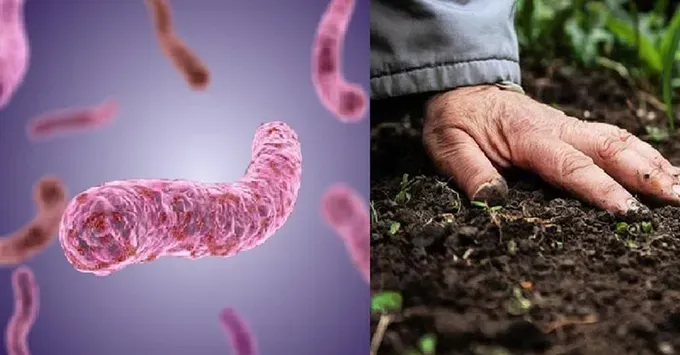
The Ministry explained that Whitmore disease is caused by the bacterium Burkholderia pseudomallei, which naturally exists in soil, mud, and contaminated surface water. People may become infected through open wounds, inhalation of contaminated dust or droplets, or consumption of polluted food and water.
The disease presents a wide range of clinical symptoms, often mistaken for other conditions, making early diagnosis difficult. Severe cases can lead to pneumonia, abscesses in multiple organs, sepsis, septic shock, and risk of death if not promptly treated. Those with underlying conditions such as diabetes, liver disease, kidney disease, chronic lung disease, or weakened immunity, as well as individuals frequently exposed to soil, mud, or dirty water, face higher risk.
In Vietnam, sporadic cases are recorded annually, often after heavy rains, flooding, or storms. The Ministry advised limiting direct contact with soil, mud, and stagnant water, especially in polluted or flooded areas, and using protective gear such as boots and gloves when working in fields, gardens, or cleaning up after floods. If contact is unavoidable, wounds should be covered with waterproof materials and cleaned thoroughly afterward. People with chronic illnesses should take extra precautions to protect skin wounds.
The Ministry emphasized that after exposure to soil, mud, or dirty water, especially following storms or floods, anyone experiencing fever, cough, chest pain, shortness of breath, abscesses, skin infections, or prolonged infection should seek immediate medical care for timely diagnosis and treatment.






)





)