Amid the rapid growth of e-commerce, the online sale of so-called “family remedies” and “traditional secret medicines” on social media platforms is proliferating, posing significant risks to public health. Claims such as “100 percent cure” or “no need to visit a hospital” exploit patients’ vulnerabilities, drawing many into the dangerous cycle of uncontrolled drug use.
Dangerous “family remedies” flood social media
With just a few searches on Facebook, TikTok, or e-commerce platforms, users can easily encounter a flood of products labeled as “family remedies,” “three-generation prescriptions,” or “rare herbal treatments.” Some sellers even livestream, run paid advertisements, and fabricate positive comments and feedback to mislead viewers.
A wide range of conditions from musculoskeletal disorders and diabetes to liver, kidney diseases, and even cancer are advertised as being “completely curable.” Trusting these claims, many people purchase and use such products, only to end up in hospitals as a consequence.
Recently, An Binh Hospital in Ho Chi Minh City admitted a patient with a kidney stone measuring about 20 mm, causing urinary obstruction. The patient had previously relied on online advertisements claiming that a traditional remedy could dissolve the stone. Instead, the stone grew larger, leading to blockage, infection, and kidney damage. Meanwhile, Binh Dan Hospital has also frequently received male patients hospitalized after using so-called “rejuvenation pills” widely sold on social media.
Despite repeated warnings and enforcement efforts by authorities, the online trade of medicines and dietary supplements remains complex. Sellers often change accounts, erase traces, or use livestreaming to evade detection, making inspection and enforcement difficult.
Additionally, the concept of “family remedies” is still loosely regulated. Many vendors exploit this label to market products as curative drugs, while in reality they are merely dietary supplements or unlicensed products.
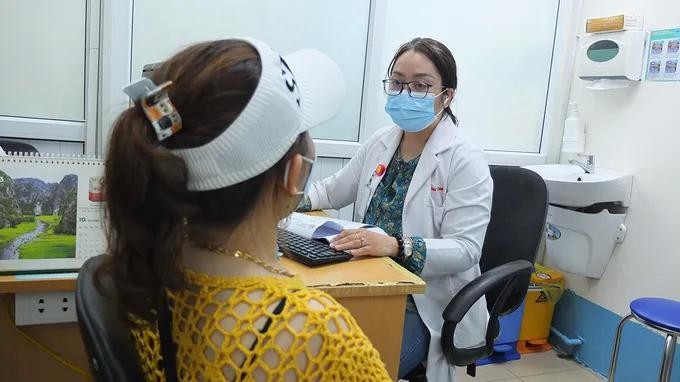
According to Dr. Le Trung Nhan, Head of the Outpatient Department at Cho Ray Hospital, the expansion of e-commerce, particularly online sales, has made it easier for bad actors to promote and distribute counterfeit and unverified medical products. He emphasized that people should not arbitrarily purchase or use medications, as doing so can seriously harm their health.
To curb the misuse of drugs online, experts recommend strengthening oversight of pharmaceutical advertising and sales on digital platforms, and strictly penalizing violations, especially false advertising. At the same time, public awareness campaigns should reinforce that medicines are specialized products that must be used under medical supervision. Patients are urged not to trust online claims of “miracle cures” or “complete recovery.” In the long term, a more robust legal framework is needed for “family remedy” and “traditional medicine” products to ensure transparency in origin, composition, and efficacy.
Authorities struggle to rein in online drug sales
Despite repeated warnings and enforcement efforts by authorities, the online trade of medicines and dietary supplements remains complex. Sellers often change accounts, erase traces, or use livestreaming to evade detection, making inspection and enforcement difficult. Additionally, the concept of “family remedies” is still loosely regulated. Many vendors exploit this label to market products as curative drugs, while in reality they are merely dietary supplements or unlicensed products.
According to Dr. Le Trung Nhan, Head of the Outpatient Department at Cho Ray Hospital, the expansion of e-commerce, particularly online sales, has made it easier for bad actors to promote and distribute counterfeit and unverified medical products. He emphasized that people should not arbitrarily purchase or use medications, as doing so can seriously harm their health.
To curb the misuse of drugs online, experts recommend strengthening oversight of pharmaceutical advertising and sales on digital platforms, and strictly penalizing violations, especially false advertising. At the same time, public awareness campaigns should reinforce that medicines are specialized products that must be used under medical supervision. Patients are urged not to trust online claims of “miracle cures” or “complete recovery.” In the long term, a more robust legal framework is needed for “family remedy” and “traditional medicine” products to ensure transparency in origin, composition, and efficacy.