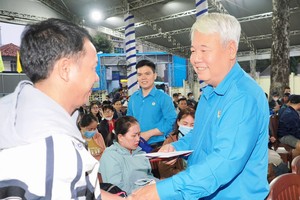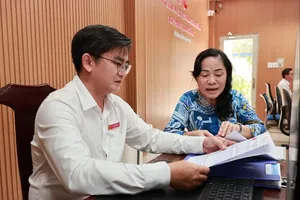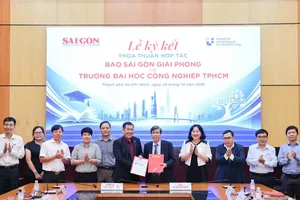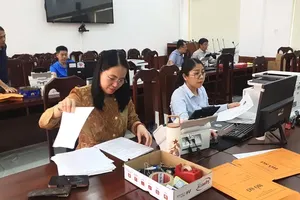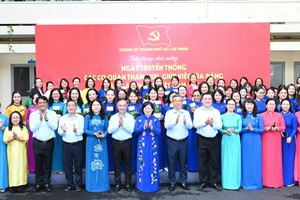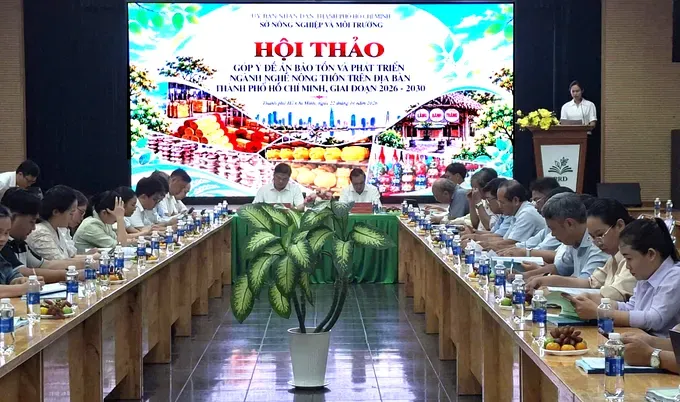
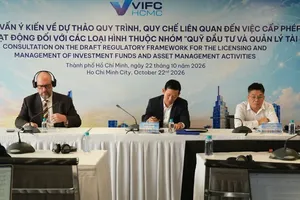
The event saw the attendance of representatives of various municipal departments and agencies, as well as several commune- and ward-level authorities.
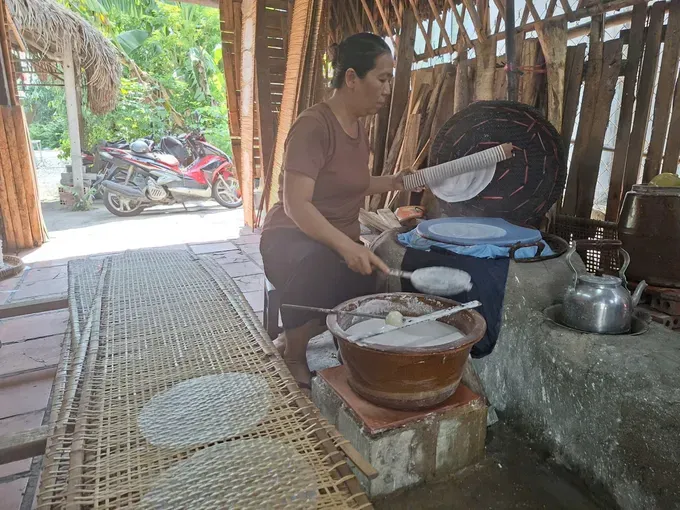
According to a survey by the department, Ho Chi Minh City has nearly 12,000 rural industry establishments, employing more than 36,300 workers and generating nearly VND9.5 trillion (US$368 million) in output value. Key sectors include the processing and preservation of agricultural, forestry, and fishery products; the production of wooden furniture, rattan and bamboo products, ceramics, glass, textiles, yarn, embroidery, and woven products; small-scale mechanical engineering; and the production and trading of ornamental plants and animals.
Under the department’s project, during the 2026–2030 period, the city will focus on vocational training, skills transfer, recognition of artisans, development of a new generation of skilled workers, and attracting young people to traditional trades. These efforts aim to ensure the continuity and long-term development of craft villages and traditional occupations across the city.
The city will also continue reviewing and refining mechanisms and policies to support rural industries while mobilizing investment from businesses and other economic sectors.
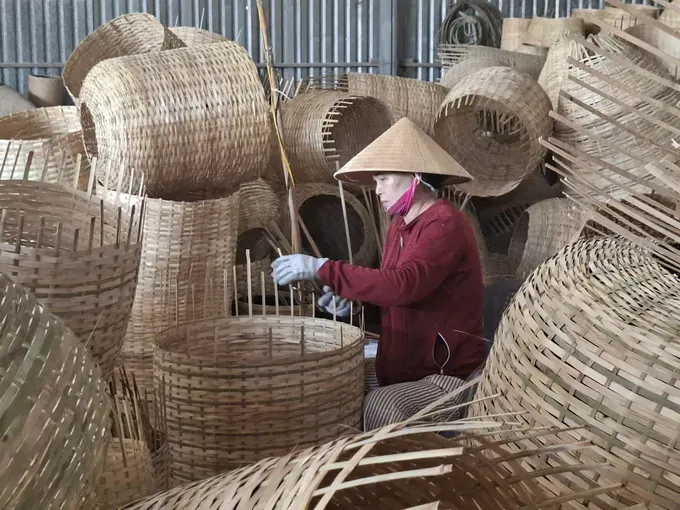
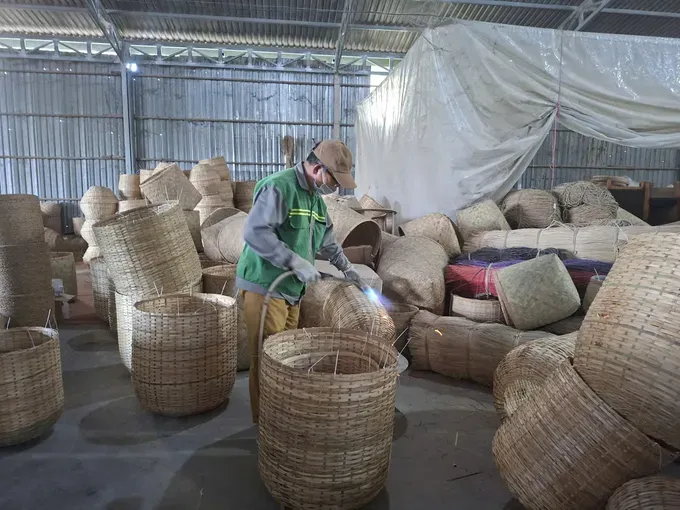
Offering recommendations for the project, Dr. Le Duc Minh, a representative of the Ho Chi Minh City Department of Tourism, said it was essential to promote craft village brands and tourism destinations through domestic and international tourism promotion programs. He suggested that the city encourage and provide guidance for the development of a model under which each craft village offers a distinctive tourism product.
A representative of the Ho Chi Minh City Department of Industry and Trade also proposed strengthening multimedia communications to raise public awareness of the role and importance of rural industry development. The representative further recommended building and developing brands for key handicraft products and craft village products with export potential.
Several delegates proposed that the Ho Chi Minh City People’s Committee allocate funding through annual implementation plans, allow funding sources to be combined, and prioritize projects to preserve trades at risk of disappearing, address environmental issues, and upgrade craft village infrastructure in conjunction with tourism development.



)