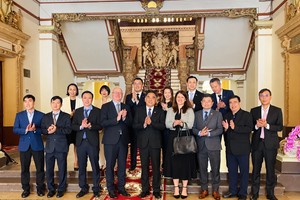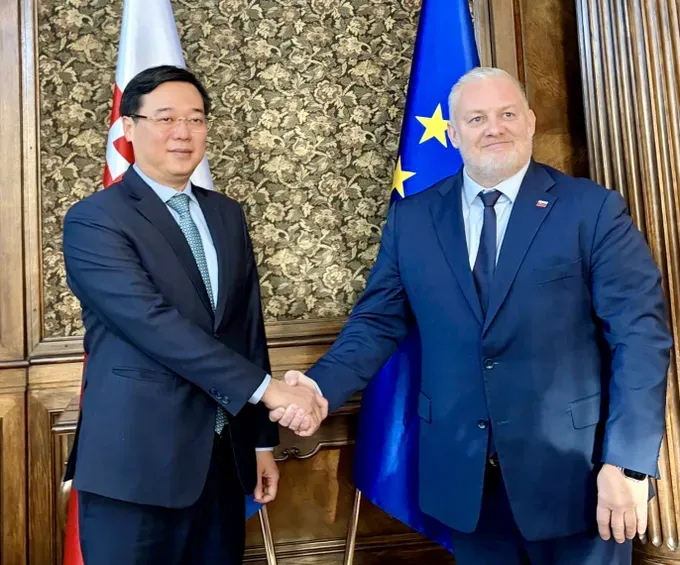
Continuing its working visit to the Slovak Republic, on October 19 (local time), a delegation from Ho Chi Minh City led by Standing Vice Secretary of the Ho Chi Minh City Party Committee Le Quoc Phong held working sessions with the Ministry of Culture of the Slovak Republic and the Bratislava Urban Research Institute.
Accompanying the delegation were members of the Standing Committee of the Ho Chi Minh City Party Committee, including Duong Trong Hieu, Chairman of the Ho Chi Minh City Party Committee's Inspection Commission, and Tran Van Tuan, Head of the Ho Chi Minh City Party Committee's Internal Affairs Commission.
Focusing on developing cultural industries
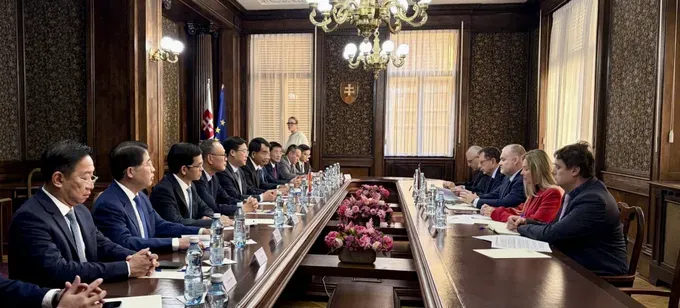
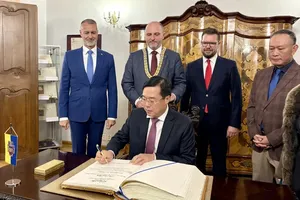
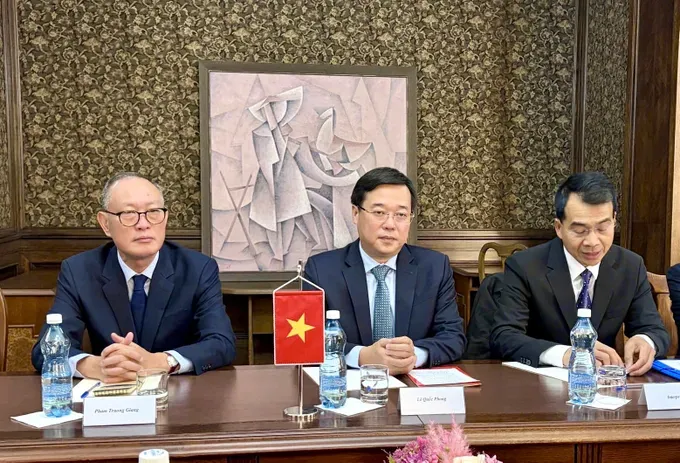
At the Slovak Ministry of Culture, Standing Vice Secretary of the Ho Chi Minh City Party Committee Le Quoc Phong met with State Secretary of the Slovak Ministry of Culture Mario Maruska to discuss boosting cultural, tourism, and people-to-people exchanges between Ho Chi Minh City and Slovakia.
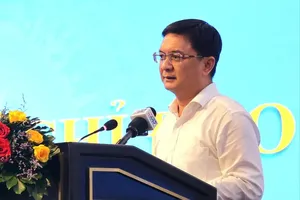
Speaking at the meeting, the Standing Deputy Secretary emphasized that Ho Chi Minh City regards culture as a vital pillar of sustainable development, as well as a driving force for innovation, economic growth, and improved quality of life.
The city is prioritizing high-potential cultural industries, particularly cinema, performing arts, creative design, advertising, and digital content, gradually building a creative ecosystem that connects businesses, educational institutions, artists, and the community.
In addition, Ho Chi Minh City is actively promoting the application of technology to preserve, manage, and leverage heritage values; accelerating the digitization of museums, libraries, and cultural resources; and developing cultural and creative spaces tied to tourism and community life.
Through their discussions, both sides agreed on cooperation proposals concerning heritage and cultural institutions. These include enhancing connections between museums, libraries, and professional agencies on both sides to share expertise in heritage preservation, restoration, digitization, and exhibition organization.
Furthermore, both sides agreed to strengthen collaboration in cinematic technology, creative technology, the performing arts, and training, while continuing to support initiatives that promote Vietnamese and Slovak culture, foster youth exchanges, and engage the Vietnamese community.
Sharing experiences in modern, sustainable urban governance
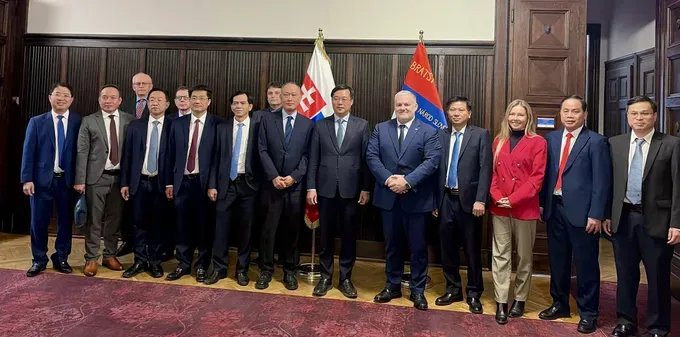
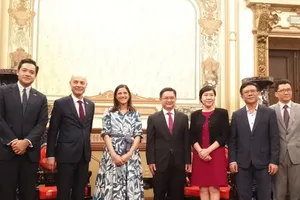
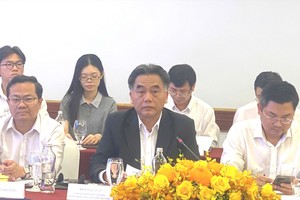
The Ho Chi Minh City delegation subsequently met with Petra Marko, Director of the Bratislava Institute of Urban Development, to exchange experience in urban research and management in the Bratislava Region.
During the meeting, Standing Vice Secretary of the Ho Chi Minh City Party Committee Le Quoc Phong said the city was interested in the institute’s experience in integrating long-term planning, preservation of architectural identity and public-space development, with quality of life and residents’ interests at the center.
Resolution No. 09-NQ/TW of the Politburo sets out the requirement to formulate Ho Chi Minh City's master plan with a 100-year vision, following a multi-polar, polycentric urban model that aligns economic growth with heritage conservation, environmental protection, and climate change adaptation.
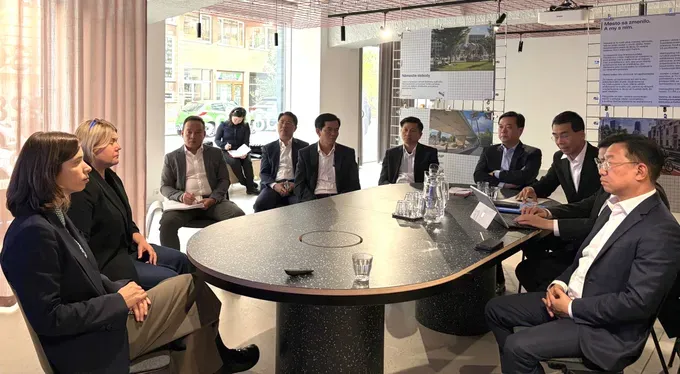
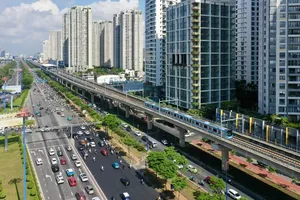
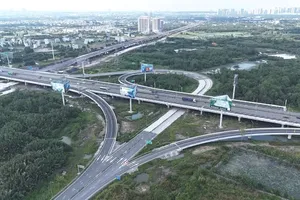
The city is currently finalizing its Master Plan with the goal of evolving into a global, green, smart, and liveable metropolis. One of the top priorities is urban spatial restructuring anchored by public transit. The city aims to complete approximately 187 km of urban rail by 2030 while advancing transit-oriented development (TOD) models.
Throughout this process, the challenge lies not only in infrastructure rollout, but also in ensuring harmony among economic growth, identity preservation, climate resilience, and enhanced living standards. The city considers these to be core elements in establishing a modern, sustainable urban governance framework.
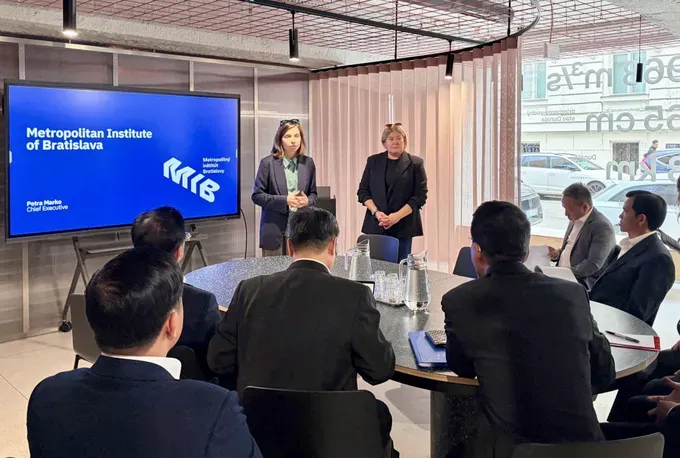
At the session, both sides shared experiences in formulating long-term development visions, organizing polycentric urban spaces, and improving connectivity between different parts of the city; developing inclusive, climate-resilient, and people-friendly urban spaces; and integrating heritage preservation with urban regeneration and value enhancement for existing built-up areas.
They also discussed strengthening linkages between the Metropolitan Institute of Bratislava and specialized agencies, universities, and research institutions in Ho Chi Minh City. This will expand professional exchanges, knowledge sharing, and human resource development in urban planning and governance.