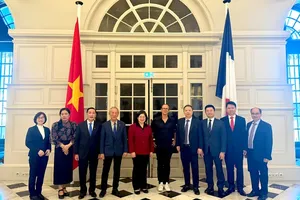
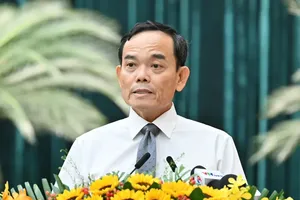
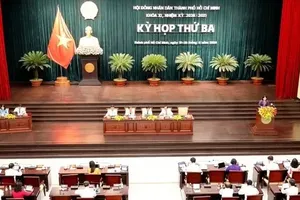
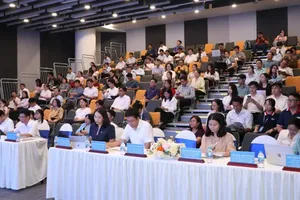
Presiding over a group discussion of the Ho Chi Minh City’s National Assembly delegation on the morning of April 20, Secretary of the municipal Party Committee Tran Luu Quang emphasized the city’s determination to become the country’s leading center for cultural industry development, as deputies debated a draft resolution on breakthrough cultural policies.
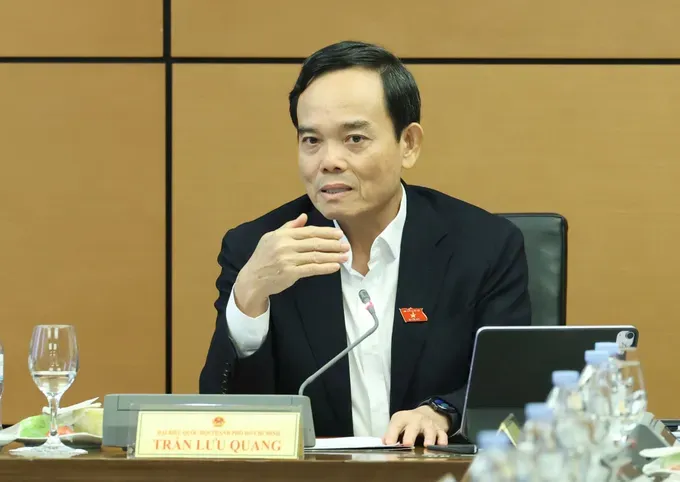
The city Party chief noted that, in addition to actively promoting major projects in the sector, the city is also focusing on renovating and upgrading existing cultural facilities. However, city leaders acknowledged that confidence among stakeholders in the effectiveness of cultural projects remains limited.
Mr. Tran Luu Quang said the city’s leadership will directly oversee discussions with relevant parties and require stronger coordination among local agencies in implementing projects, with the aim of creating valuable cultural assets for the future and fostering the growth of the cultural industry.
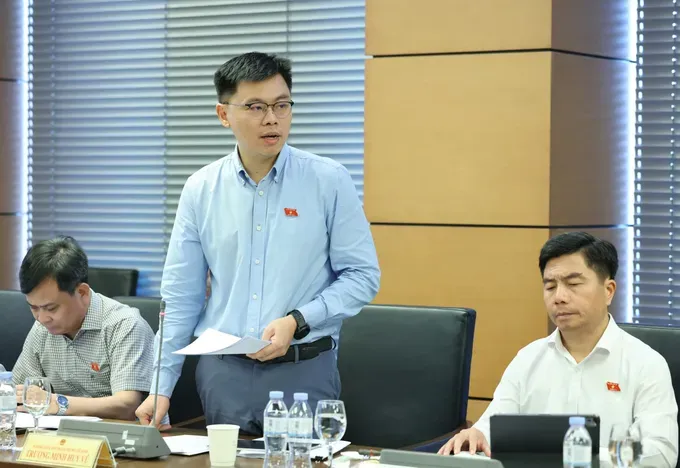
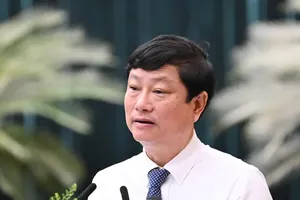
Agreeing that Ho Chi Minh City holds strong potential for cultural industry development and could make a significant contribution to GDP, deputy Truong Minh Huy Vu of Ho Chi Minh City proposed that the draft resolution include measures to attract strategic investors and develop an industry data framework. He described the idea of operating a cultural fund along the lines of a venture capital fund as progressive, but suggested incorporating international elements and clarifying whether it could receive foreign investment.
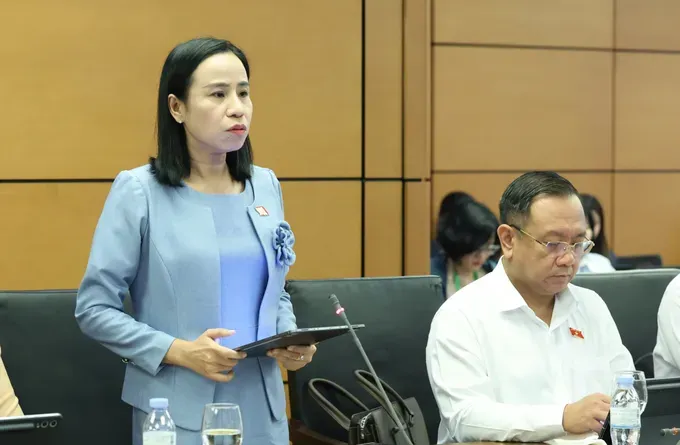
Deputy Vo Ngoc Thanh Truc, Deputy Head of the Ho Chi Minh City National Assembly delegation, supported the proposal to designate November 24 as “Vietnam Cultural Day,” with a paid day off for employees and activities encouraging youth participation. However, she called for additional provisions to organize coordinated cultural events at the grassroots level to deepen public understanding of its significance.
During discussions by the Hanoi National Assembly delegation, Venerable Thich Bao Nghiem also expressed support, describing the initiative as necessary as Vietnam enters a new development phase in which culture must serve not only as a spiritual foundation but also as a key internal driver of growth. However, the Venerable cautioned that granting a day off and free access to cultural sites alone would have limited impact.
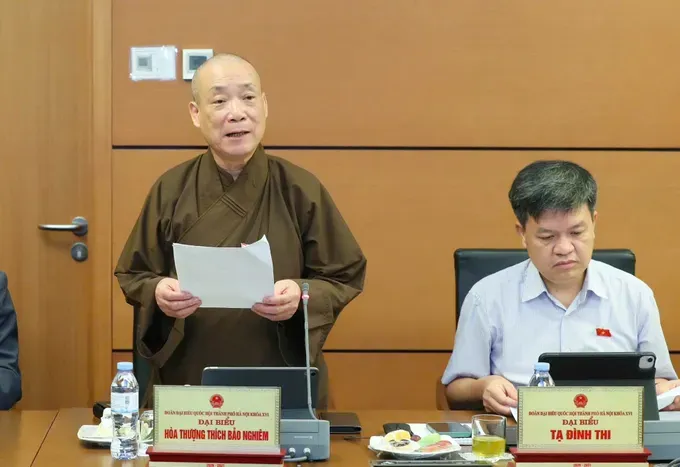
He proposed developing the day into a national-scale cultural and creative event, tied to activities such as cultural festivals, creative industry weeks, and initiatives to boost tourism and cultural consumption, thereby generating tangible economic and social value.
Deputy Nguyen Thi Viet Nga of Hai Phong also supported the designation of November 24 as Vietnam Cultural Day but stressed the need to clearly separate cultural policy from labor regulations. She noted that paid public holidays are governed by the 2019 Labor Code, and adding another day off through a resolution could create inconsistencies in the legal system.
Regarding policies to attract investment in cultural development, deputy Vo Ngoc Thanh Truc raised concerns about the draft’s proposal to grant the highest level of corporate income tax incentives to online games. She warned that the line between entertainment and social harm can be thin, with some games involving violence, gambling elements, or addictive features that negatively affect young users.
She recommended that tax incentives should not be applied across the board to all online games, but instead be selectively granted to projects that meet specific criteria, such as educational value or the promotion of national history and culture, and that include mandatory technical measures to control usage time and prevent gaming addiction among youth.