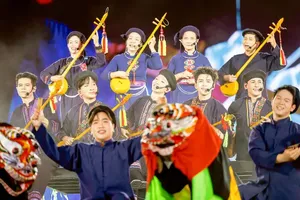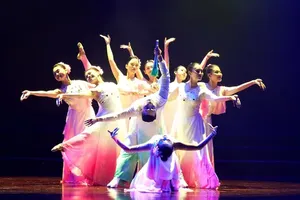
The draft Law on Cultural Industry Development, authored by the Ministry of Culture, Sports, and Tourism, explicitly designates "cultural tourism" as a core component of the country's cultural industries.
The draft establishes the principle of harmonizing economic value with socio-cultural values while ensuring the management, practice, protection, and promotion of heritage assets comply with specialized laws.
Ho Chi Minh City boasts a diverse museum system, comprising 11 public museums under the cultural sector alongside 14 operational private museums. The nine museums managed directly by the Ho Chi Minh City Department of Culture and Sports oversee 676,777 artifacts and documents, including 23 national treasures. In 2025, this public network welcomed over 4 million visitors—figures that demonstrate the enormous potential of cultural tourism in the city.
However, a report by the municipal Department of Culture and Sports revealed that the city’s museum system faces significant bottlenecks. Many private museums operate on a small scale, relying heavily on ticket sales for revenue. Partnerships with travel agencies and other tourist destinations remain limited, failing to establish effective links with the city's broader cultural tourism ecosystem.
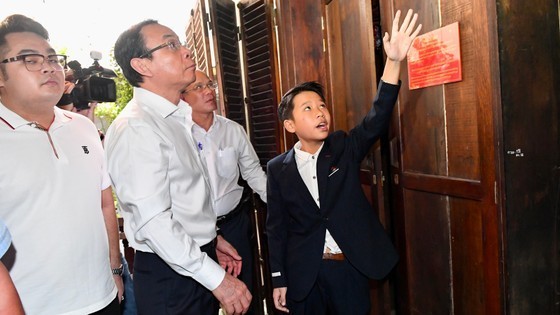
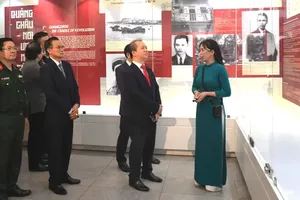
Against this backdrop, numerous cultural experts suggest that the city's museum system should transition from acting merely as "heritage storage vaults" into dynamic destinations. Museums, they argue, must become spaces for interpretation, storytelling, and the development of products and services centered around historic artifacts.
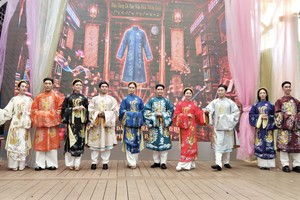
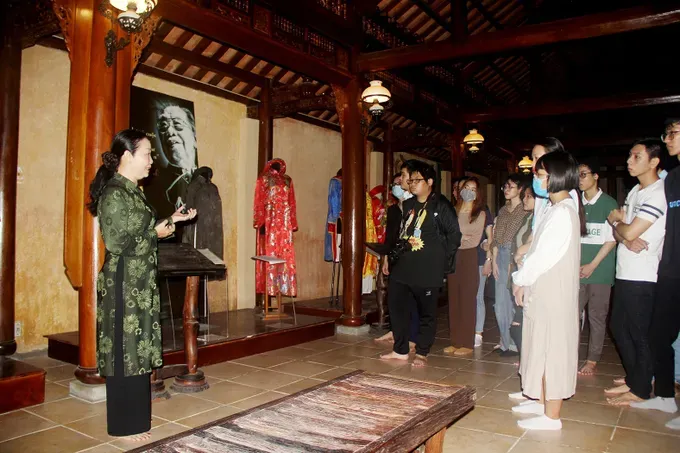
This approach has already been adopted with notable success by several museums in Ho Chi Minh City, including the Ao Dai Museum, the Quang San Art Museum, Saigon-Gia Dinh Rangers Museum, and the Museum of Traditional Vietnamese Medicine.
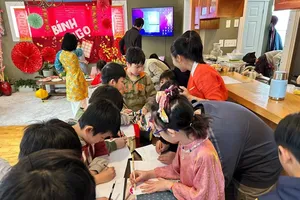
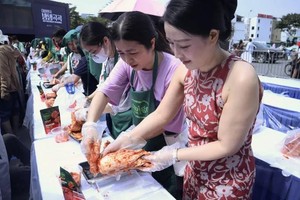
These institutions have built distinct identities by offering immersive experiences—ranging from creative workshops on the ao dai and cultural reenactments of ancient rural life to interactive sessions and discussions on fine arts and traditional medicine. Similarly, the Pho Museum has integrated culinary experiences, workshops, and souvenirs into multi-tiered tour packages.
Experts emphasize, however, that turning these isolated models into a robust ecosystem capable of generating a complete value chain will require a synchronized connection mechanism. This framework must align museums, tourism enterprises, creative entities, and local communities—linking museum spaces, historical monuments, pedestrian zones, gastronomy, performing arts, and night-time economy activities into a unified visitor journey.
Only then can the true value of the museum system fully integrate into the narrative of urban history and memory, enriching the cultural lives of both residents and tourists alike.