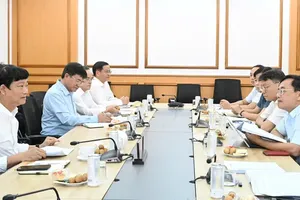
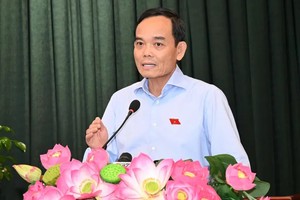
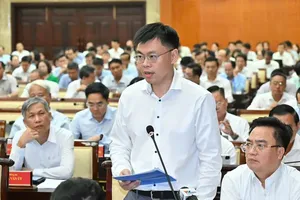
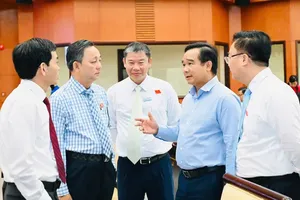
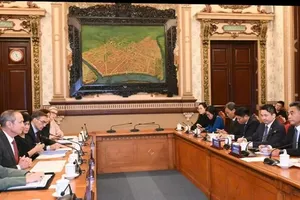
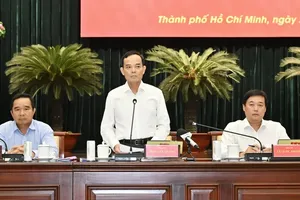
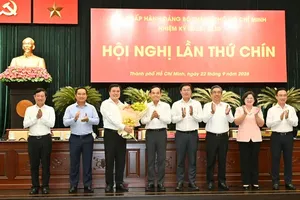
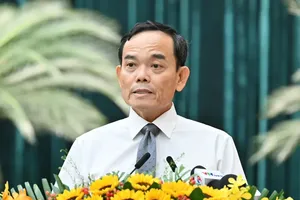
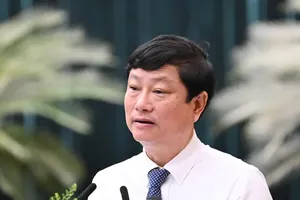
On the morning of June 26, the Ho Chi Minh City Party Committee’s Organization Commission held a conference reviewing its work in the first six months of 2026 on Party organizational development, along with a thematic meeting on personnel affairs, assessment of digital transformation in Party organization work and the implementation of tasks for the second half of 2026.
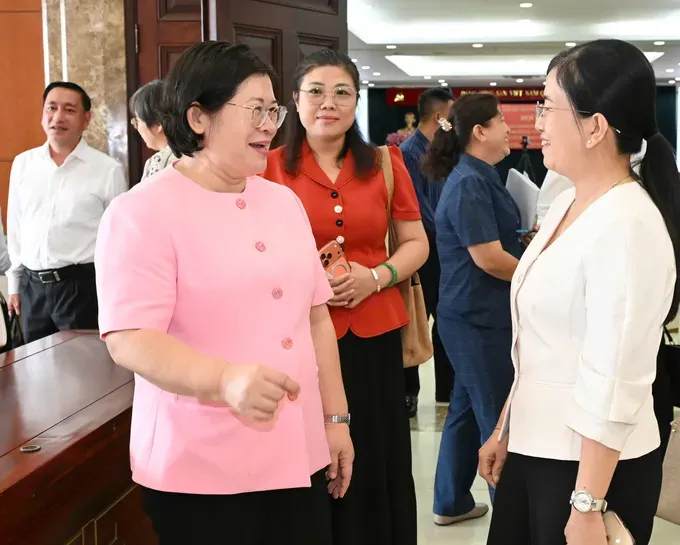
Deputy Secretary of the City Party Committee Van Thi Bach Tuyet attended and delivered the concluding remarks. The working session was chaired by Pham Thanh Kien, Member of the Standing Committee of the Ho Chi Minh City Party Committee and Head of the Organization Commission.
Many supportive models for the grassroots levels
According to a report presented at the conference, by the end of May 2026, the City Party Committee had 2,455 grassroots organizations with nearly 390,900 Party members. Compared to the first quarter of 2026, this marked an increase of more than 3,800 Party members and 333 Party organizations, driven by restructuring, changes in organizational models, and the integration of Party organizations in state-owned enterprises in line with regulations.
Deputy Head of the Organization Commission Huynh Van Dan also noted that in the first six months of the year, Party organizational work was implemented in a coordinated manner, closely following the leadership and direction of the Central Government and the City Party Standing Committee.
Several effective models were rolled out, including practical “learning by doing” training suited to grassroots conditions; the creation of three regional task forces to provide flexible guidance and quickly address local issues; and the assignment of city-level staff to support grassroots units. The city also applied a shared digital governance model to build a streamlined, digital, and non-territorial administrative system.
The Organization Commission also focused on improving the quality of grassroots cadres, piloted model Party cell meetings to enhance meeting quality, and advised on the establishment of the City Development Research Board.
At the conference, representatives from several communes and wards shared results and good practices in Party organization work at the local level.
Developing recruitment mechanisms for outstanding graduates
In her concluding remarks, Deputy Secretary Van Thi Bach Tuyet acknowledged that the Party organization and development sector had completed a very large workload under significant pressure.
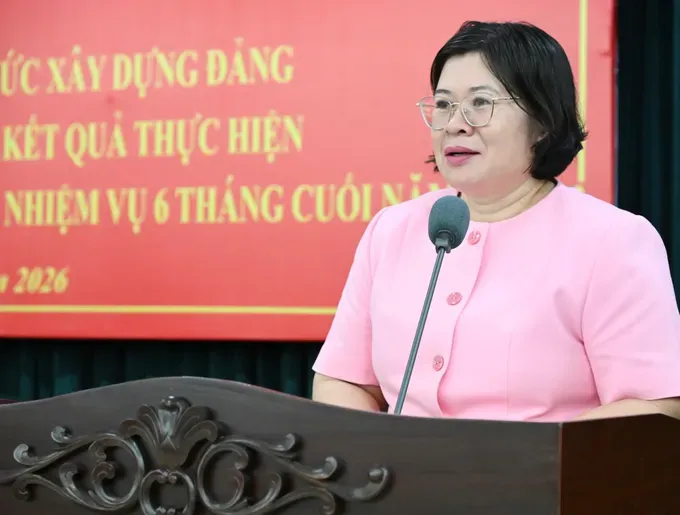
Alongside the achievements, she pointed out several shortcomings that need to be addressed, including a shortage of qualified personnel in some localities for leadership positions in Party building agencies, as well as cases where officials were still uncertain in performing their duties. She emphasized that if personnel fail to meet requirements after a certain period, decisive restructuring should be carried out.
She also noted that quarterly staff evaluations in some places remain influenced by personal considerations, failing to accurately reflect performance and not creating sufficient motivation for improvement.
For tasks in the second half of the year, she requested the Organization Commission to continue coordinating with relevant agencies and Party committees at communes, wards, and special zones to review and improve the operational model of the two-tier local government system. The City Party Standing Committee has also assigned its members to directly work with each locality to assess task implementation results, while reviewing the cadre workforce for timely restructuring and reassignment where necessary.
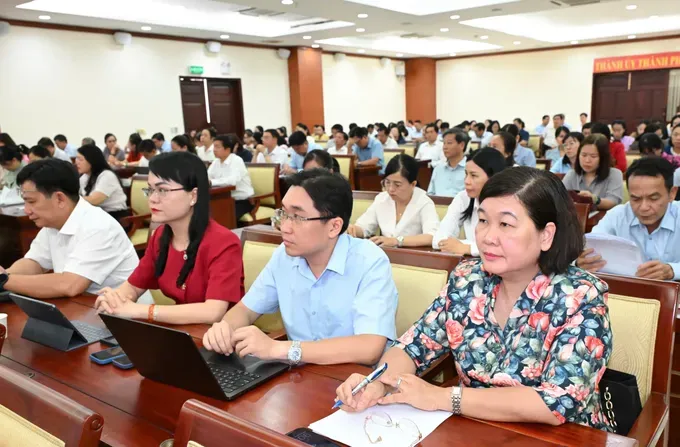
Regarding its own responsibilities, the Organization Commission was tasked with urgently reviewing staffing management and utilization across communes, wards, special zones, departments, and agencies, in order to advise on 2026 staffing allocations and prepare plans for 2027–2030. The city aims to issue official staffing decisions for communes, wards, special zones, and departments by July, providing a basis for synchronized personnel arrangement.
In addition, the commission was instructed to study the possibility of increasing deputy chairpersons in localities with expanded staffing, organize competitive recruitment for civil servants and public employees in areas facing shortages, and develop mechanisms to recruit outstanding university graduates into the city’s political system, ensuring their capabilities are effectively utilized after recruitment.
Another key task in the third quarter is for all localities to review delegated and authorized tasks across both Party and government systems, clearly identifying tasks that are effectively implemented for continuation, and proposing adjustments or transfers to the city level where capacity limits are exceeded, ensuring efficient governance.
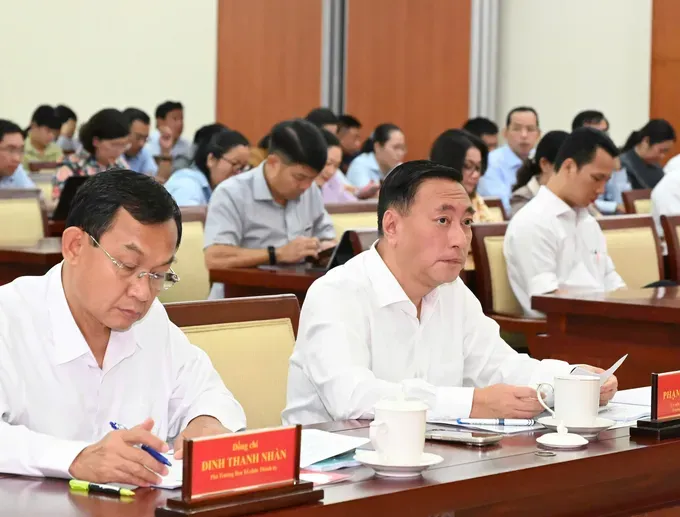
In response, Head of the Organization Commission Pham Thanh Kien affirmed that the commission will urgently institutionalize all directives into work programs and plans for implementation across Party organizations in the second half of the year.
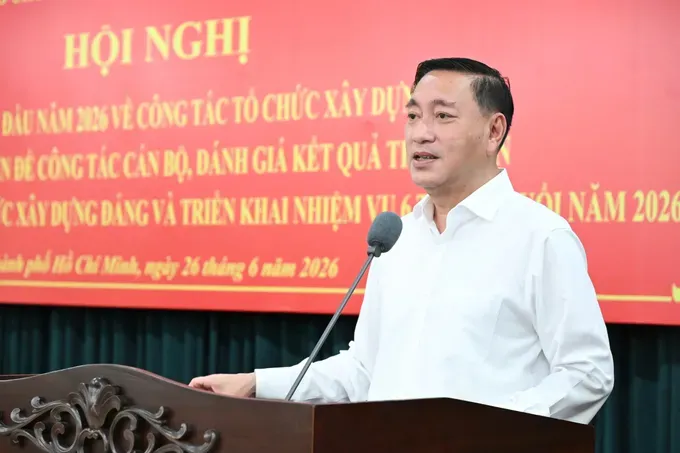
Priority will be given to staffing reviews and allocation, cadre restructuring, digital transformation, completion of Party member and cadre databases, and enhanced guidance and support for grassroots levels to ensure the successful completion of tasks assigned by the City Party Committee and the Central Government.