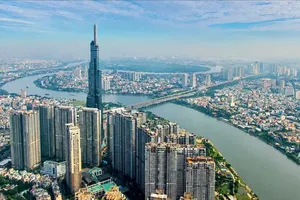
On March 20, the Ho Chi Minh City People’s Committee issued Document No. 2147/UBND-DT, outlining strategies to address water shortages and salinity intrusion in the city’s water systems. The Southeastern region may experience localized water scarcity in March and April 2026, while salinity intrusion in downstream areas is expected to increase.
The Ho Chi Minh City Department of Agriculture and Environment is tasked with closely monitoring meteorological and hydrological developments, issuing timely warnings to ensure residents and agencies can respond effectively.
The agricultural sector must plan production according to water availability, securing supplies for both household and farming needs. Coordinated operation of Dau Tieng and Tri An reservoirs will supplement water, push back salinity, and maintain freshwater in downstream areas.
Efforts will also accelerate rural water supply projects and upgrade irrigation and anti-salinity infrastructure.
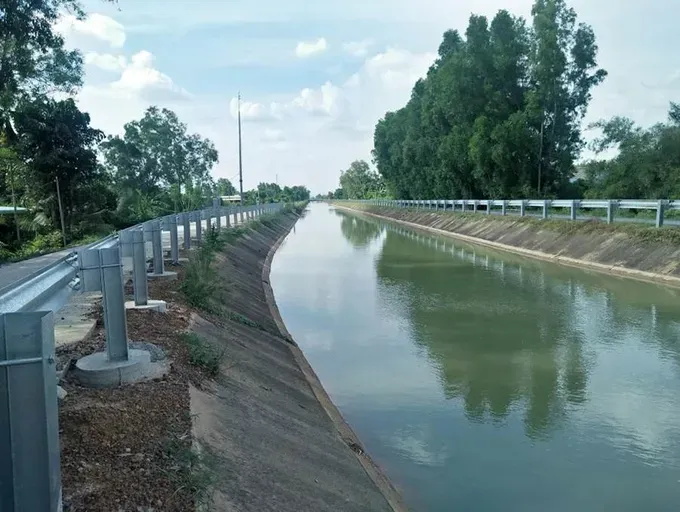
Local wards, communes and special zones are responsible for promoting water storage, efficient use, and identifying high-risk areas, particularly for economically valuable crops. Maintenance activities, such as dredging canals, clearing waterways, and installing freshwater pumping stations, should be intensified.
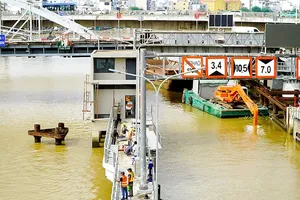
Irrigation management units are required to operate the system efficiently, store water when conditions allow, and ensure a continuous supply for domestic and production purposes, including water supply to facilities such as the Tan Hiep plant.
On the same day, the Ho Chi Minh City People’s Committee issued Document No. 2145/UBND-DT, directing agencies to ensure the safety of irrigation and flood control structures ahead of the 2026 rainy season. Measures include speeding up land compensation and clearance for construction, routine inspection and maintenance of critical dikes, reservoirs, and flood control works, and actively managing tides and flood risks to protect populated areas.
Accordingly, the Ho Chi Minh City People’s Committee asked the relevant departments and project management units to prioritize investment for irrigation and disaster prevention, maintain drainage systems, and accelerate approved construction projects.
Local authorities must monitor vulnerable areas, prepare emergency personnel and materials, and respond promptly to dike or embankment incidents. Companies and infrastructure managers are required to inspect, repair and ensure the safe operation of dams and reservoirs throughout the rainy season.
These proactive measures aim to minimize damage from drought, salinity intrusion, tides, and flooding while ensuring water security for Ho Chi Minh City’s residents and agriculture.


)