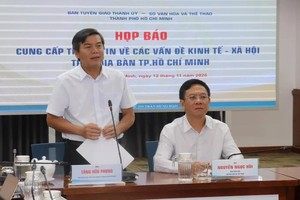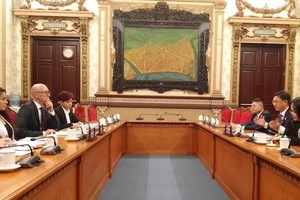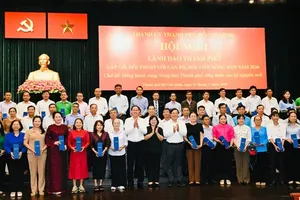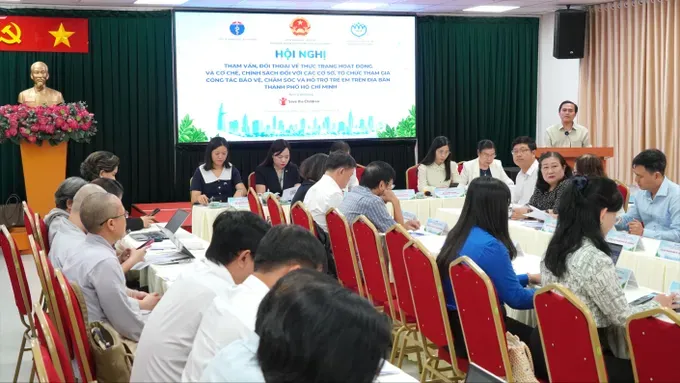
On November 13, the Culture and Social Affairs Committee of the Ho Chi Minh City People's Council, in coordination with the municipal Department of Health and the Ho Chi Minh City Association for the Protection of Children's Rights, held a consultation and dialogue conference on the operational situation and policy mechanisms governing organizations and facilities involved in child protection, care, and support.
According to the Ho Chi Minh City Department of Health, the city currently has nearly 10,000 children in particularly difficult circumstances, more than 12,800 at risk of falling into such circumstances, and 3,156 children living in social protection facilities. In addition, more than 164,000 children under the age of 16 residing in the city have yet to register their permanent or temporary residence.
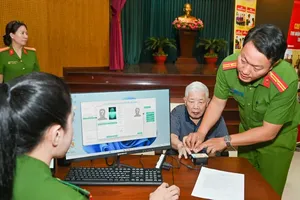
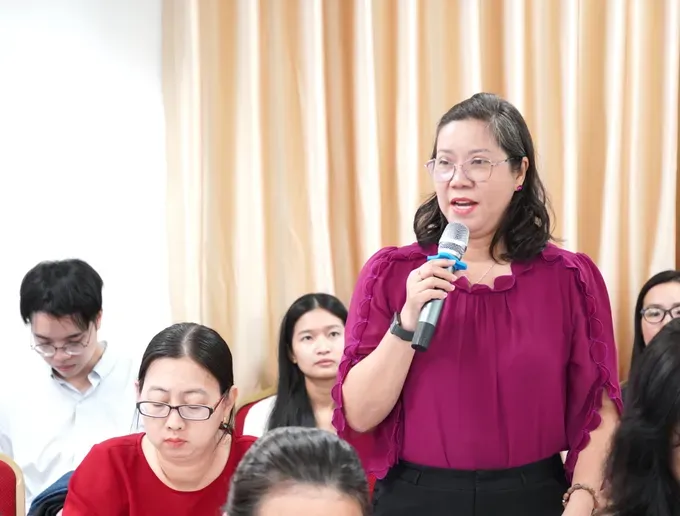
At the conference, several facilities reported that children without birth certificates, personal identification documents, or registered residence faced difficulties accessing health insurance. One facility currently caring for approximately 80 students said that 16 of them did not have birth certificates. Some children with severe disabilities had also been unable to obtain health insurance cards due to the lack of identity cards.
Other challenges were also raised. The Ho Chi Minh City Vocational Education and Social Work Center for Adolescents, for example, receives children aged 8 to 16. However, those under its care must leave the facility upon turning 16, even if they are not yet equipped to establish stable lives independently. Although they receive vocational training support, these young people continue to face difficulties finding employment, as many businesses do not recruit workers in this age group.
In light of this situation, delegates proposed raising the maximum age for residential care at social protection facilities to 18, giving children more time to prepare for reintegration into the community.
In his concluding remarks, Huynh Thanh Nhan, Vice Chairman of the Ho Chi Minh City People's Council, called on municipal departments and agencies to coordinate with local authorities to review and resolve difficulties involving personal identification documents for children in particularly difficult circumstances.
He also stressed the need to ensure adequate funding, facilities, and specialized personnel at social assistance establishments.
The Culture and Social Affairs Committee of the Ho Chi Minh City People's Council was tasked with consolidating the opinions raised at the conference, advising on solutions and proposing improvements to policy mechanisms so that social organizations and non-public facilities can confidently participate in child protection efforts.
The ultimate goal is to ensure that children in particularly difficult circumstances, as well as those at risk of falling into such circumstances, have timely, safe, and appropriate access to care and protection services.