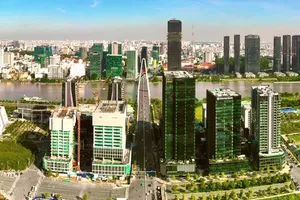
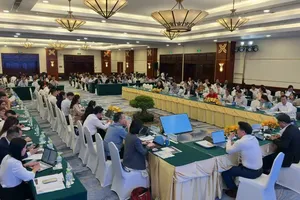
With less than two weeks remaining until the end of 2025, both the New Year and the Lunar New Year are fast approaching. As a megacity serving nearly 14 million residents across 168 wards, communes, and special zones, Ho Chi Minh City (HCMC) faces mounting pressure to ensure abundant supplies, stable prices, and smooth market coordination during the peak holiday season.
Speaking to Sai Gon Giai Phong, Mr. Bui Ta Hoang Vu, Director of the HCMC Department of Industry and Trade, said preparations for the 2026 Tet holiday represent the city’s largest supply program in many years, particularly following the administrative merger with the former provinces of Binh Duong and Ba Ria–Vung Tau.
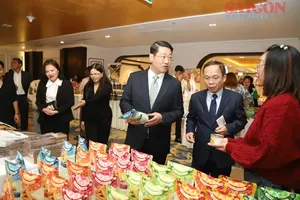
According to Mr. Bui Ta Hoang Vu, major retailers and producers, such as Saigon Co.op, MM Mega Market, GO!, Satra, and Vissan, have earmarked approximately VND30 trillion for the two peak Tet months, including nearly VND13 trillion specifically allocated to the price stabilization program. Notably, stabilized goods continue to maintain prices at least 5 percent lower than comparable products on the open market, serving as a critical “price buffer” for consumers ahead of the holiday rush.
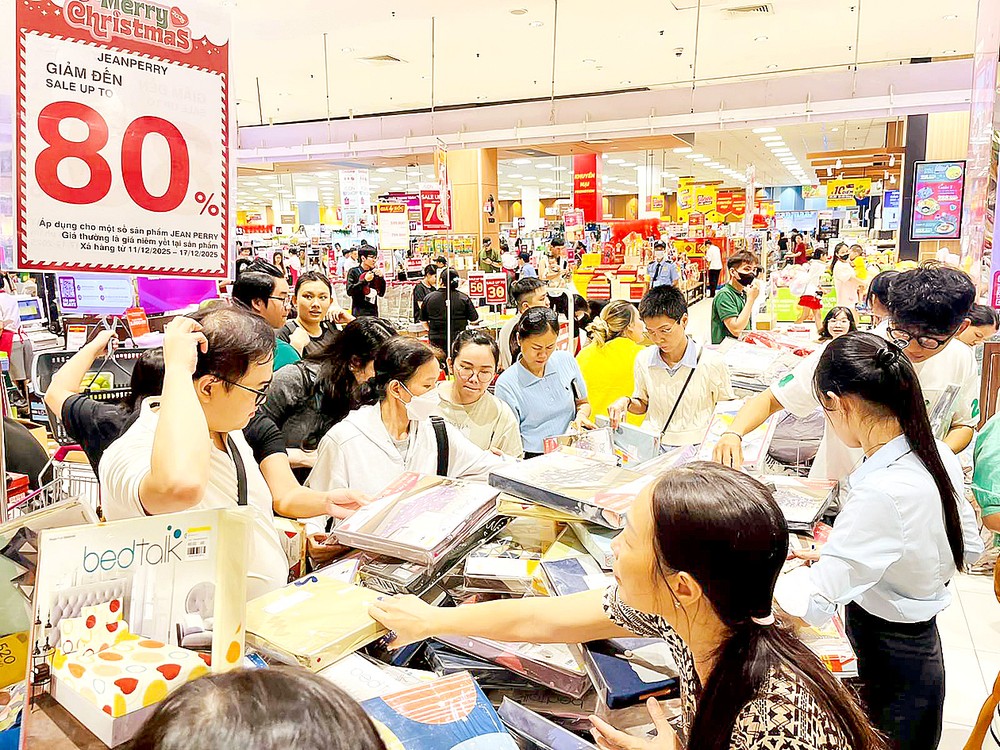
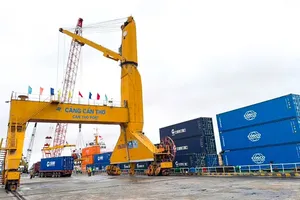
To achieve this level of readiness, the HCMC People’s Committee required businesses to activate their Tet supply plans as early as mid-year. Early preparation enabled companies to secure raw materials at more favorable prices, enhance production and stockpiling capacity, and reduce vulnerability to inter-provincial supply fluctuations. This is particularly significant given that HCMC currently meets only about 15 percent of its daily meat demand and just over 5 percent of egg consumption from local sources. At the same time, promotional campaigns have been intensified to stimulate consumer spending.
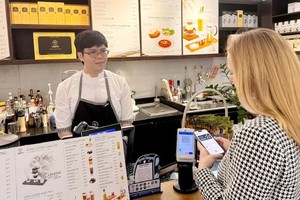
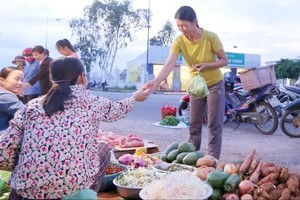
Given the city’s vast and uneven retail coverage, a multi-tiered distribution network has been identified as the backbone of Tet supply. HCMC now has 66 shopping malls, 300 supermarkets, 405 traditional markets, 3,653 convenience stores, and more than 12,000 price-stabilized outlets. In addition to fixed retail channels, mobile sales units are being expanded to industrial zones, boarding-house clusters, and suburban areas where demand is high but retail density remains limited, particularly among low-income workers.
Price-stabilized goods continue to play a pivotal role, covering essentials ranging from rice, meat, eggs, seafood, and vegetables to school supplies and basic personal care products. Enterprises reported that Tet supplies this year have increased by 20 percent to 50 percent compared with last year, ensuring ample availability throughout the festive season.
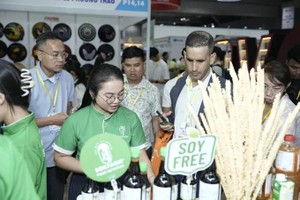
A notable highlight this year is the expansion of the “Responsible Green Tick” program, a certification label identifying products that meet standards for traceability and quality. To date, 12 major retail chains have actively participated, guiding suppliers to join the initiative. A total of 389 suppliers with 4,012 certified products are now being widely distributed nationwide. Sales of Green Tick products have risen by more than 20 percent after just one year, reflecting a growing consumer preference for certified goods. The Department of Industry and Trade is also extending the Green Tick model to Tet gift baskets for the 2026 Lunar New Year.
Alongside supply assurance, market inspection and supervision remain a continuous task, with heightened enforcement during the pre-Tet period. Market surveillance forces, economic police, customs authorities, and inter-agency teams have been mobilized to intensify inspections at warehouses and retail outlets, strengthen traceability checks, and promptly handle fraud, counterfeit goods, and price manipulation.
The department has also instructed all 168 wards, communes, and special zones to closely monitor price movements, particularly for fresh food items. Any signs of shortages or abnormal price hikes must be reported immediately, with corrective measures proposed within the same day, prioritizing rapid response to prevent market overheating.
Regarding consumer demand, Mr. Bui Ta Hoang Vu noted that purchasing power for Tet 2026 is expected to post strong growth. Total retail sales and consumer service revenue in the first 11 months of 2025 exceeded VND902 trillion, up 15.3 percent year on year, signaling robust consumption momentum. From now until year-end, HCMC will continue to roll out demand-stimulus programs, such as OCOP product weeks, regional specialty fairs, supply–demand connectivity events, the Shopping Season and City Sale campaigns, alongside deeper discounts across both online and offline retail channels.
HCMC consumes around 15,000 tons of food daily, and during peak periods, even minor supply disruptions can have outsized market impacts. This underscores the importance of early preparation, accurate forecasting, and phased coordination.
“We are committed to ensuring that residents can easily access goods at stable prices and, more importantly, are protected from substandard products,” Mr. Bui Ta Hoang Vu emphasized. “When a city of 14 million people enters the shopping season simultaneously, every link in the supply chain—from production and inspection to distribution—must operate in sync. If done well, people will truly feel the city’s thorough preparation and sense of responsibility, allowing every household, from urban centers to outlying areas, to welcome the 2026 Lunar New Year with confidence, sufficiency, and joy.”