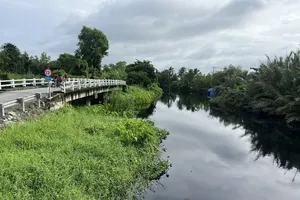
On March 20, the Ho Chi Minh City People’s Committee issued Document No. 2148/UBND-DT, outlining measures to arrange and stabilize populations in regions affected by natural disasters, remote islands, protected forests and areas at risk of uncontrolled migration in 2026.
The initiative aims to implement government policies on population stabilization while linking resettlement with disaster prevention, socio-economic development, and national defense and security.
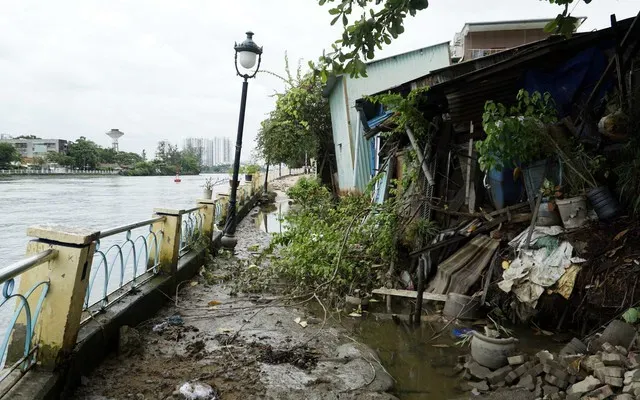
Accordingly, the Ho Chi Minh City Department of Agriculture and Environment will take the lead and coordinate efforts under Government Resolution No. 22/NQ-CP, monitor free migration, and report to the City People's Committee. It is responsible for developing the 2026–2030 resettlement program, aligned with riverbank and coastline erosion prevention, and expediting land clearance and compensation for relocation projects.
The municipal Department of Finance will allocate mid-term public investment funds for resettlement and protective infrastructure projects, including anti-erosion and flood prevention works. The HCMC Department of Construction is tasked with enhancing river traffic control to minimize erosion and guiding infrastructure management in resettlement areas.
Wards, communes and special zones must strengthen territorial management, prevent illegal migration, land encroachment and deforestation, and promote public awareness to encourage voluntary relocation and disaster preparedness, especially in high-risk erosion zones.
Authorities are also required to review land resources, plan appropriate resettlement methods, including centralized or integrated relocation, and invest in essential infrastructure and protective works such as dikes, embankments, and early warning systems to ensure long-term safety.