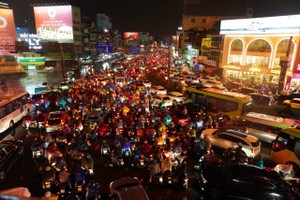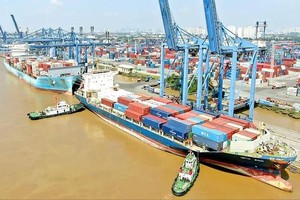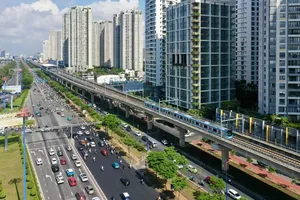
The city’s economic scale has continued to expand, enabling HCMC to maintain its role as one of the country’s key growth poles.
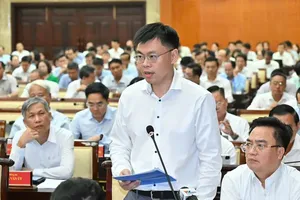
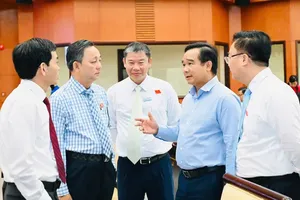
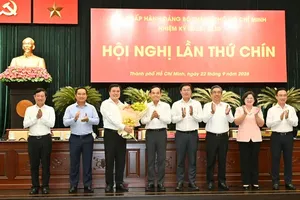
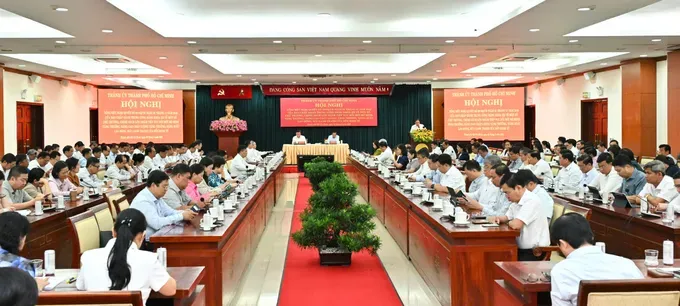
On June 4, the Ho Chi Minh City Party Committee held a conference to review the implementation of Resolution No. 05-NQ/TW, issued on November 1, 2016, by the 12th Party Central Committee on major guidelines and policies aimed at further renewing the growth model, improving labor productivity, and enhancing the competitiveness of the economy.
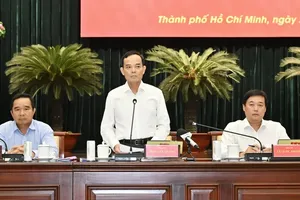
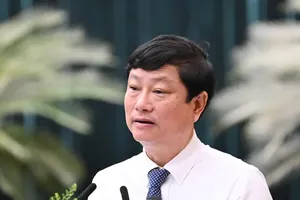
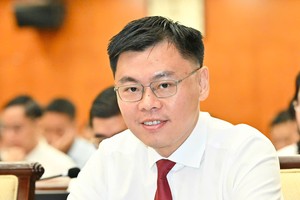
The conference was chaired by Chairman of the Ho Chi Minh City People’s Committee, Nguyen Van Duoc, and Vice Chairman of the municipal People’s Committee, Nguyen Cong Vinh.
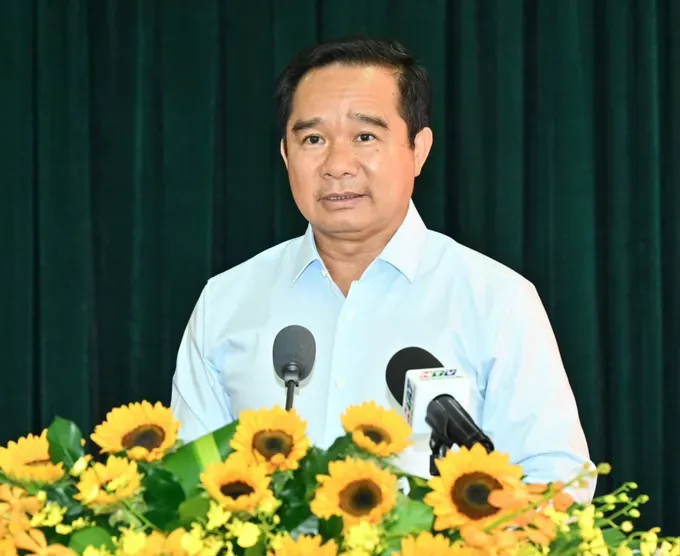
Speaking at the opening ceremony, Mr. Nguyen Van Duoc stated that Resolution No. 05-NQ/TW was issued at a time when the country faced an urgent need to renew its growth model, improve the quality of development, and enhance the competitiveness of the economy amid increasingly deep international integration.
He emphasized that the resolution embodies a strategic vision and reflects the Party’s strong commitment to innovation in pursuing rapid and sustainable development. It advocates a shift from extensive growth to intensive growth, with productivity, quality, efficiency, science and technology, innovation, and high-quality human resources serving as the key drivers and foundations of economic growth.
Over the past nearly 10 years, Ho Chi Minh City, together with the localities before their merger, has focused on providing strong and coordinated leadership in implementing the resolution in tandem with economic restructuring programs, growth model reform, improvements to the investment and business environment, and the promotion of innovation.
According to him, throughout the implementation process, the city faced numerous unprecedented difficulties. However, thanks to the close guidance of the Party Central Committee, the National Assembly, and the Government; the unity and determination of the entire political system; and the support of the business community and the people, HCMC has achieved many important and comprehensive outcomes that carry long-term, foundational significance for its development.
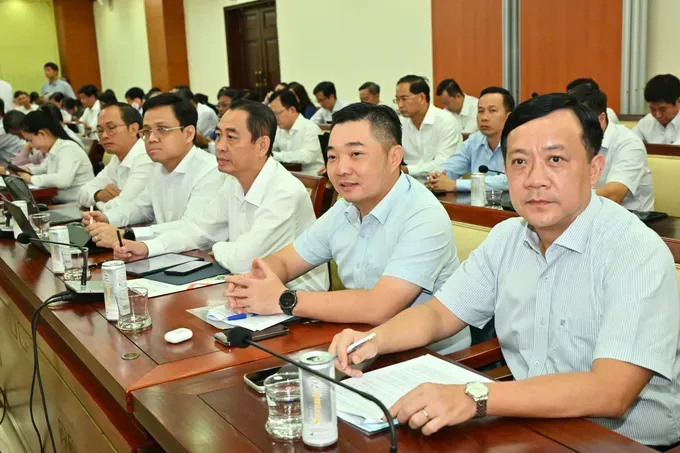
The city’s economic scale has continued to expand, enabling it to maintain its position as a key growth pole of the country. Its economic structure has undergone a positive transformation toward greater modernization, with high-quality services, high-tech industries, the digital economy, and the green economy increasingly playing key roles as drivers of growth.
In addition, the investment and business environment has been continuously improved, while the startup and innovation ecosystem has developed robustly. Science and technology, digital transformation, and green transition are increasingly emerging as new engines of economic growth.
In particular, the integration of Ho Chi Minh City’s development space has created new room and growth opportunities, giving rise to a larger growth pole with greater potential and enhanced competitiveness at both the regional and international levels. Mr. Nguyen Van Duoc emphasized that this provides highly favorable conditions for the city to fully leverage its advantages in geoeconomic positioning, human resources, science and technology, logistics, finance, and innovation during the new phase of development.
Additionally, he pointed out that the achievements made thus far have yet to fully match the city’s potential, advantages, and expectations. Growth quality, labor productivity, and competitiveness in several sectors remain constrained, while the pace of growth model transformation has not been uniform across all areas. He stressed that the development of new growth drivers will require more breakthrough, robust, and determined solutions in the coming period.
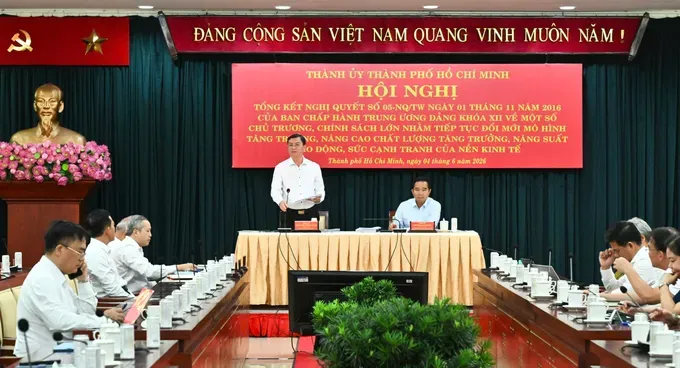
The Chairman of the HCMC People’s Committee called on delegates to uphold their sense of responsibility, focus on research and discussion, and thoroughly assess the most notable achievements, effective models, and innovative approaches. He also urged them to identify existing shortcomings, difficulties, bottlenecks, and their underlying causes in order to draw valuable lessons for future implementation.
Based on these assessments, delegates were encouraged to propose breakthrough mechanisms, policies, and solutions to further reform the growth model in line with the goal of achieving double-digit economic growth. Particular emphasis should be placed on restructuring the economy toward greater science and technology content and stronger innovation capacity, thereby creating new momentum to enhance the quality and effectiveness of Ho Chi Minh City’s socio-economic development in the new stage.