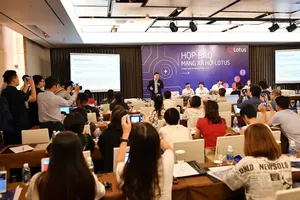
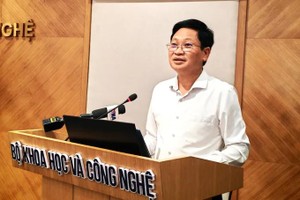
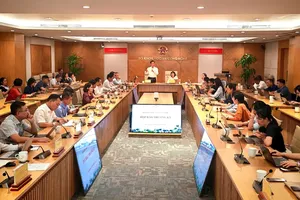
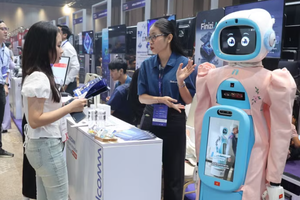
The Ho Chi Minh City Department of Science and Technology organized a seminar titled “Orientation for Scientific Research, Technology Development, and Enhancement of Science and Technology Capacity in Ho Chi Minh City for the 2026–2030 Period” at the Ho Chi Minh City Innovation Startup Center on the morning of March 25.
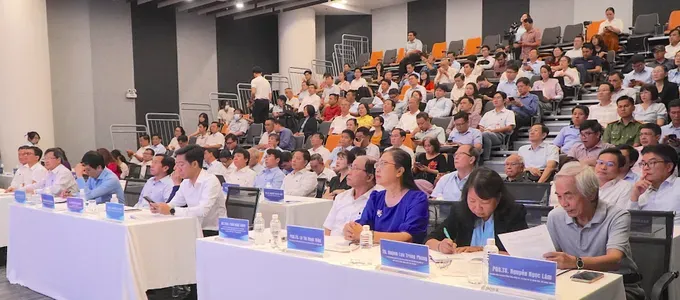
The seminar was attended by representatives of various departments and nearly 400 scientists, experts and managers from research institutes, universities and science and technology organizations across the city.
As indicated by Mr. Le Thanh Minh, Deputy Director of the Ho Chi Minh City Department of Science and Technology at the seminar, Ho Chi Minh City is actively implementing Resolution No. 57-NQ/TW dated December 22, 2024, issued by the Politburo on breakthroughs in science and technology development, innovation, and national digital transformation. This places an urgent requirement on the city to develop strategic, synchronized and long-term scientific research and technology development programs.
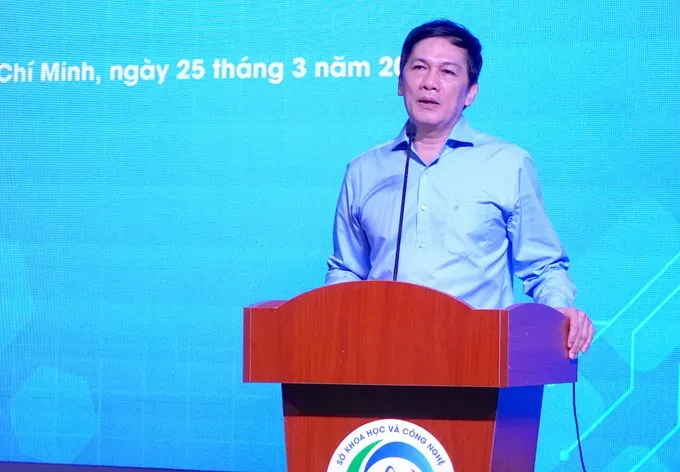
The municipal Department of Science and Technology is consulting on the development of a program for scientific research, technology development, and strengthening science and technology capacity for the 2026–2030 period, focusing on key areas such as digital transformation, smart cities, smart manufacturing, healthcare, high-tech agriculture and nurturing young talent.
Through seven thematic workshops, the department gathered nearly 100 expert inputs from 63 institutions and businesses, now analyzed and brought together to inform policy.
This seminar aims to collect feedback and finalize the draft before submitting it to the city’s People’s Committee for consideration. The city targets R&D spending to reach 2–3 percent of GRDP by 2030, patent growth of over 10 percent annually, more than 60 percent of research outcomes being applied in practice, and approximately 3,500 international publications per year.
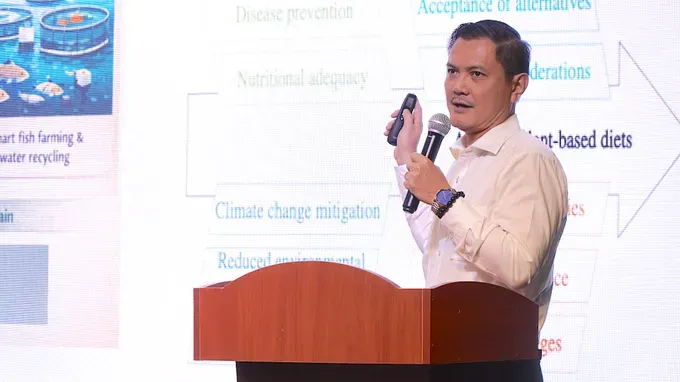
At the seminar, presentations focused on assessing the current situation and proposing solutions to improve the transfer and application of research results in practice and policymaking.
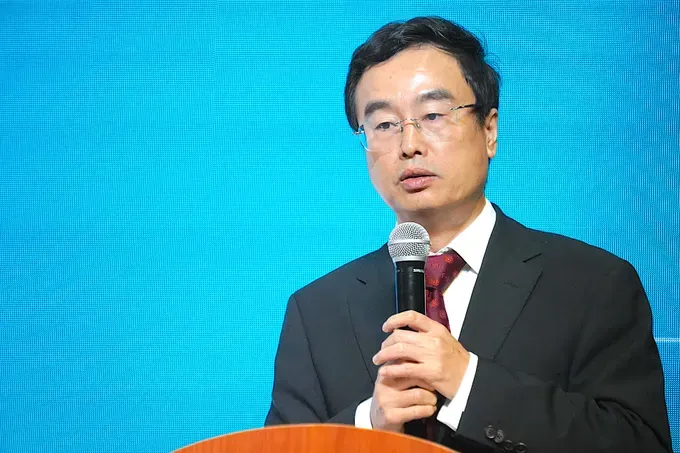
Experts also emphasized the need to strengthen linkages among research institutes, universities, businesses, and management agencies to narrow the gap between research and real-world application.