Over US$31.5 billion in foreign direct investment (FDI) was disbursed in Vietnam in 2025, the highest level in years, signaling not only the return of global capital but also a fundamental shift toward long-term and value-driven investment. Unlike previous short-term or exploratory inflows, the new wave of FDI is increasingly tied to implementation progress, expansion capacity, and sustainable growth strategies.
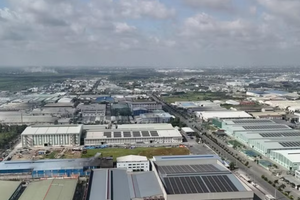
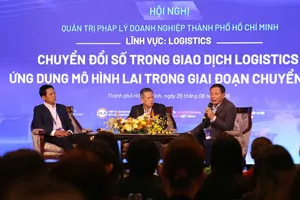
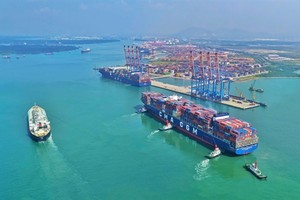
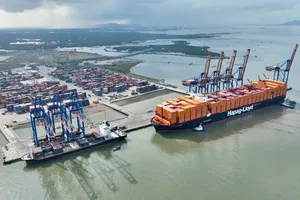
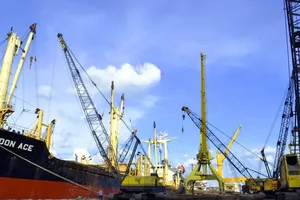
Ho Chi Minh City stands out as a strategic destination in this transformation. International corporations are no longer viewing the city merely as a manufacturing base but as an emerging hub in regional supply chains, finance, and logistics. The growing demand for trade finance, digital logistics, and supply chain services underscores the city’s evolving role as both a production center and a regional gateway for commerce and financial activity.
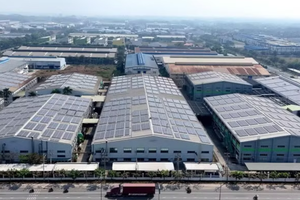
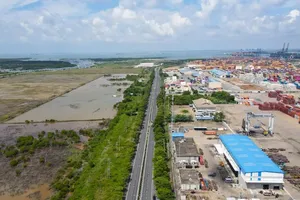
At the same time, institutional investors including pension and strategic funds are channeling long-term capital into infrastructure, logistics, and service platforms, signaling growing confidence in Vietnam’s stability and economic trajectory. Ho Chi Minh City’s expanding development footprint has created a continuous growth corridor spanning industry, logistics, finance, and services. With an economy exceeding US$123 billion, the city contributes about 23.5 percent of Vietnam’s GDP and anchors the country’s largest network of seaports, airports, and industrial parks.
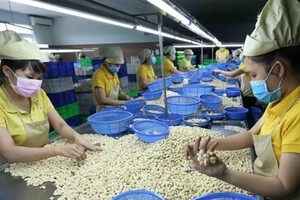
Yet, attracting quality investment is only the first step. The greater challenge lies in retaining capital and converting it into sustainable productivity, advanced technology, and added value. High-tech manufacturing, renewable energy, green infrastructure, and financial services all demand a stable institutional framework, consistent policy environment, and predictable regulations. When these conditions are met, investors are more likely to expand operations and commit for the long term.
As global supply chains continue to realign, Vietnam, particularly Ho Chi Minh City, is emerging as a key player in the new investment cycle. The true measure of success, however, lies not in the number of projects licensed, but in the depth of investor engagement and the durability of their commitments.
With policy consistency, infrastructure improvement, and a stable investment climate, quality capital is expected to remain laying the foundation for Ho Chi Minh City to solidify its position as a regional investment powerhouse in the years ahead.