Yesterday, in Khanh Hoa Province, Nha Trang University collaborated with Ostfalia University of Applied Sciences from Germany to host the international workshop titled "Marine Waste Prevention and Sustainable Practices Towards a Circular Economy" (MARLISPACE 2026).
The event drew nearly 150 participants, including scientists, managers, and business representatives from both Vietnam and other countries. A total of 60 research papers were submitted, with 50 presented in person and 10 displayed in poster format.
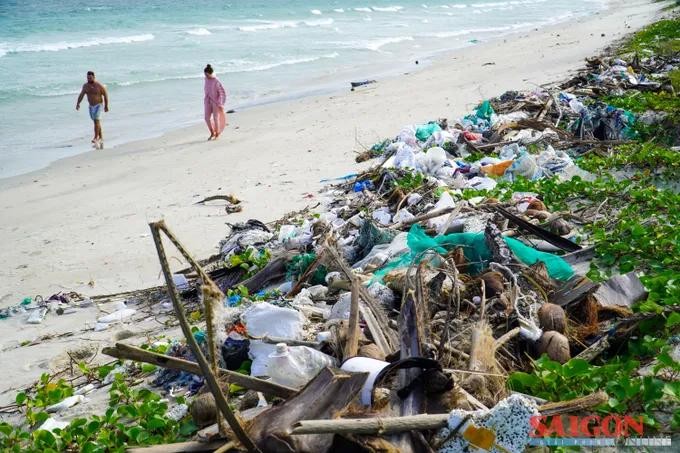
The workshop's discussions centered on issues related to ocean plastic pollution and recycling policies; sustainable technological solutions in aquaculture aimed at reducing plastic usage; strategies for recycling and implementing a circular economy in the management of marine waste and fishing gear; and the interconnectedness of plastic, the environment, and society, with a strong emphasis on the importance of enhancing public awareness.
At the workshop, participants introduced the project “Prevention, Reduction and Recycling of Fishing Gear Waste in Vietnamese Seas,” funded by the Federal Ministry of Environment, Climate Action, Nature Conservation and Nuclear Security of Germany.
The project focuses on researching the situation of lost, abandoned, or discarded fishing gear at sea, and proposes solutions to reduce gear loss and raise awareness among fishermen, businesses, and management agencies.
According to scientists, plastic nets and fishing gear account for a significant proportion of plastic waste released into the sea. Initial surveys show that fishermen using gillnetting - a fishing method that uses vertical panels of netting with floats and weights to catch fish by their gills - and trawls may lose about 1 percent of their fishing gear each year.
As of March 2026, the project has built the first national database on lost fishing gear, with over 2,100 fishermen and 30 fishing vessel businesses participating in surveys in provinces such as Quang Ninh, Khanh Hoa, and Kien Giang (formerly).
The project also developed a set of best practice guidelines for fishermen, fishing ports, and recycling businesses; and established plastic recycling demonstration centers to promote a circular economy model in the fisheries sector.
Professor Pham Quoc Hung, Vice Rector of Nha Trang University, said that fishermen need advice on the appropriate time to replace their nets to minimize the risk of tearing, breaking, and losing fishing gear at sea. At the same time, a network of businesses committed to consuming recycled materials should be built to create a sustainable output for the value chain.