The Government issued Decree 182/2026/ND-CP (Decree 182) on May 22, 2026, regulating occupational preferential allowance regimes for teachers and management staff at educational institutions.
These policies targeted at public education personnel reflect the State's care for the livelihoods of educators. Numerous teachers and administrators directly benefiting from Decree 182 starting July 7, 2026, expressed strong support for the new welfare policy.
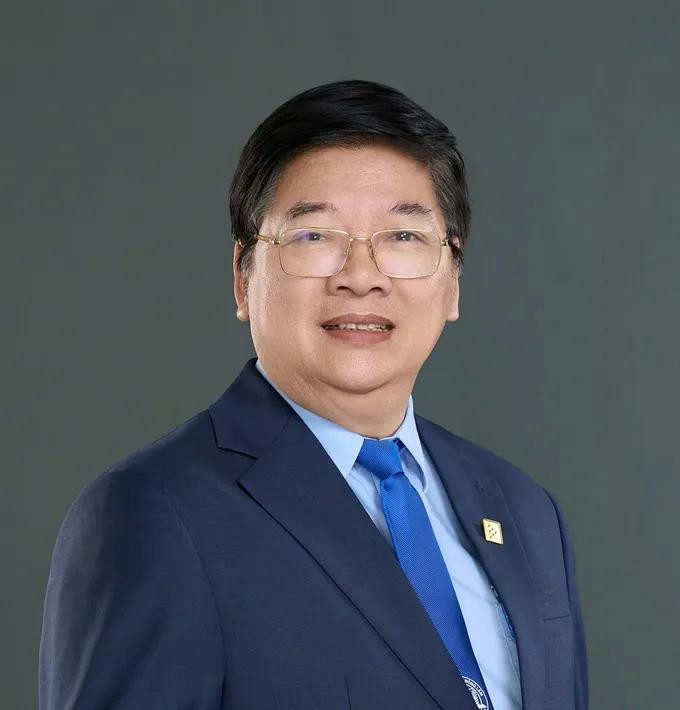
Tran Dinh Ly, Vice President of Ho Chi Minh City University of Nong Lam, noted that Decree 182 expands the scope of eligible beneficiaries, integrating educational support personnel in public schools for the first time. This reflects a holistic approach to the educational ecosystem, acknowledging that educational quality depends on both classroom teachers and behind-the-scenes support staff.
Furthermore, adjusting allowance rates upward for various teaching groups particularly across specialized educational levels, fields, and geographical areas improves livelihoods, builds career motivation, and helps attract and retain competent, passionate teachers.
Decree 182 serves as a concrete policy to institutionalize Politburo Resolution 71-NQ/TW dated August 22, 2025 (Resolution 71) regarding breakthroughs in education and training development. Achieving educational breakthroughs requires prioritizing personnel development. When teachers receive adequate policy support, guaranteed working conditions, and proper recognition, they gain the motivation to innovate teaching methods, conduct scientific research, drive digital transformation, and support learners. However, maximizing policy efficiency requires continuous improvement of salary mechanisms, working environments, career development opportunities, and educational autonomy.
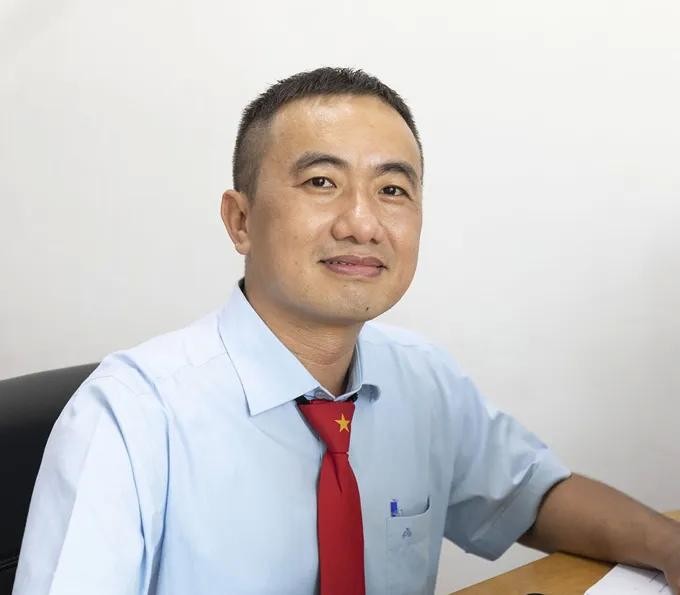
Meanwhile, Director Pham Thai Son of the Admission and Communication Center at Ho Chi Minh City University of Industry and Trade, welcomed Decree 182 as a breakthrough policy confirming that education remains a top national priority. However, he noted a gap between the decree and the targets set in Resolution 71. Specifically, Resolution 71 targeted high allowance and compensation levels for teachers, including raising preferential allowances to a minimum of 70 percent for preschool and general education teachers, 30 percent for support staff, and 100 percent for teachers in exceptionally difficult areas. In contrast, current rates under Decree 182 stand at 30 percent – 45 percent for general education and 60 percent – 80 percent for difficult areas.
The Director expressed hope for subsequent adjustments to base salary levels alongside synchronized solutions to bridge regional gaps, creating salary policy breakthroughs that allow educators to fully dedicate themselves to the profession.

Truong Thi Thuy Trang, a teacher at the Le Quy Don Continuing Education Center in Tan Dinh Ward, highlighted that income-improving policies give teachers peace of mind to remain in their classrooms. Specifically, the new 20 percent allowance for school support staff including clerical workers, treasurers, librarians, and equipment managers provides vital recognition for indirect service personnel.
Teacher Thuy Trang proposed three recommendations for implementation. First, detailed guidance must accompany the transition to the new allowance regime to secure maximum benefits for educators, avoiding scenarios where rigid local applications reduce actual take-home income. Second, a flexible income advancement mechanism should replace seniority allowances if they are phased out. The state needs to study fast-track salary advancement options and remuneration schemes for long-serving teachers with substantial innovations. Third, a specialized mechanism should be designed for continuing education centers, where student entry levels are uneven and teachers must manage behavioral guidance and career orientation alongside standard curriculum delivery.
Teacher Bui Manh Tan from Bui Thi Xuan High School in Ben Thanh Ward, HCMC, noted that the new allowance calculation formula integrates current salary coefficients, leadership allowances, and seniority. This allows teachers to calculate their benefits transparently, fostering professional peace of mind. Income levels among educators will see distinct differentiation based on work environments and geographical regions.
To ensure sustainable policy impact, he proposed restoring seniority allowances for long-serving teachers to recognize their experience and contributions. Additionally, the education sector should reduce administrative burdens and paperwork to free up time for professional focus. The State should also invest more in infrastructure and teaching equipment while expanding free professional training to help teachers innovate methods, adopt technologies, and lift instructional quality.