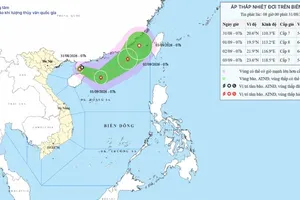
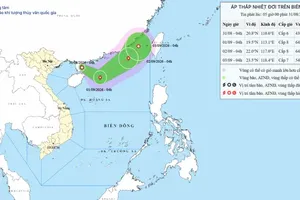
The Ho Chi Minh City Department of Construction has issued a document to relevant agencies and local authorities to implement Prime Minister's Directive No. 23/CT-TTg on strengthening disaster prevention and response efforts.
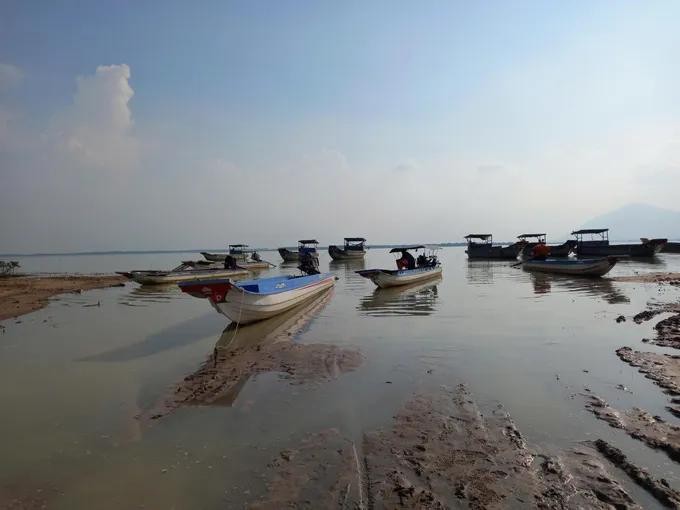
Under the directive, the department proposed the Center for Traffic and Technical Infrastructure Management, the Inland Waterway Management Center, the Urban Traffic Management and Operation Center, the Public Passenger Transport Management Center, and infrastructure management and operation units to review and inspect roads, bridges, culverts, drainage systems, and technical infrastructure under their management.
The inspections aim to promptly identify and address, or recommend solutions for, infrastructure and construction items that obstruct flood drainage, increase the risk of flooding, landslides, or traffic safety hazards during the rainy season.
Priority will be given to inspecting vulnerable locations, flood-prone areas, sites at risk of landslides or erosion, and damaged bridges and culverts. Authorities are required to compile a list of locations that need monitoring, warning measures, and repairs before and during the rainy season.
The agencies should implement measures to reduce landslide and flooding risks, set up warning signs, barriers, traffic diversions and traffic control in hazardous areas, and prepare sufficient materials, equipment, vehicles and response personnel to quickly address incidents. The goal is to maintain smooth traffic during heavy rain, high tides, landslides, flooding, infrastructure damage or other natural disasters. They must also review and update disaster response and traffic management plans while ensuring uninterrupted communications, round-the-clock duty operations, and timely reporting when incidents occur.
The Department of Construction also proposed the People's Committees of Binh Thanh Ward, Binh Loi Trung Ward, Thanh My Tay Ward, Binh Quoi Ward, Binh Tan Ward, Binh Hung Hoa Ward, and Binh Tri Dong Ward to strictly implement Directive No. 23/CT-TTg, along with directives issued by the Ho Chi Minh City Party Committee, the Ho Chi Minh City People's Committee, and guidance from relevant authorities on disaster prevention, civil defense, and search and rescue in each localitiies.
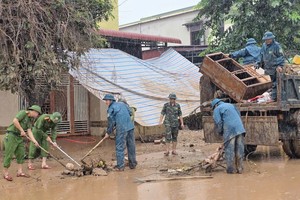
Ward authorities were suggested to proactively inspect roads, bridges, culverts, drainage systems, canals, low-lying areas, and locations vulnerable to landslides and flooding, and promptly identify sites that could obstruct flood drainage or threaten road and waterway traffic safety and residents' lives.
Accordingly, people's committees in wards should coordinate with units under the Department of Construction and infrastructure management agencies during inspections and the handling of vulnerable sites, flood-prone areas, landslide risks, and traffic safety hazards. They must compile unresolved issues and safety risks during the rainy season, propose corrective measures, and recommend support for matters beyond their authority.
The reports are to be submitted to the city's Civil Defense Command, through the Department of Agriculture and Environment, for consolidation and further review by competent authorities.


)