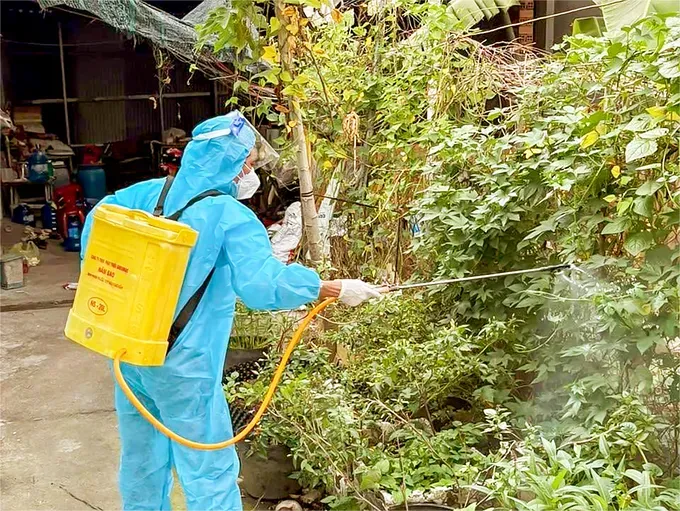
Dengue fever is showing unusual developments, with cases rising sharply and severe infections appearing even in the dry season. The disease’s epidemiology is also shifting toward adults. Speaking with SGGP reporters, Professor Nguyen Thanh Hung, former Director of Children’s Hospital 1, advised parents to recognize early warning signs, bring children for follow-up visits as scheduled, and take proactive preventive measures.
In the past, around 60 percent–70 percent of dengue cases in the South were children. However, in recent years, the pattern has changed, now about 50 percent of cases are people over 15 years old, the rest are children. Normally, the rainy season sees a surge in cases, but hospitals are now receiving severe dengue patients even during the dry season.
The biggest challenge arises when the disease becomes severe. Each patient’s condition differs, and the illness can progress rapidly, forcing doctors to make critical decisions in a very short time. Once the patient reaches a critical stage, survival chances are low. Therefore, prevention and early detection of warning signs remain the most crucial solutions.
As of June 2026, Vietnam has recorded more than 50,000 dengue cases, an increase of over 2.5 times compared to the same period last year, with several deaths due to severe progression, he revealed. Notably, the DENV-2 virus strain is now dominant, posing a higher risk of severe illness than the DENV-1 strain.
According to him, parents are urged to seek medical advice from health authorities for proper diagnosis and treatment. At home, children should eat and drink normally, stay hydrated, and have fevers reduced correctly. Parents must never use non-steroidal anti-inflammatory drugs, as these can increase bleeding risk. The key is to detect warning signs early and follow doctors’ instructions for timely re-examination. Research on dengue vaccines is ongoing.
The former Director of Children’s Hospital 1 advised parents must stay alert to dengue fever. When a child has a high fever lasting from two to seven days, they should be taken to a medical facility for examination, diagnosis, and treatment guidance. During home care, besides maintaining normal eating and drinking habits, ensuring the child drinks plenty of water and reducing fever properly, parents must never use non-steroidal anti-inflammatory drugs, as these can increase the risk of bleeding.
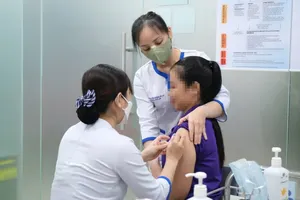
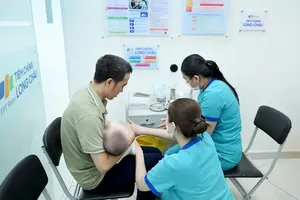
The most important factor is early detection of warning signs and timely follow-up visits as instructed by doctors. Currently, the Ministry of Health has approved the use of a dengue vaccine. It can be administered to children aged four and older as well as adults, following a two-dose schedule.


)