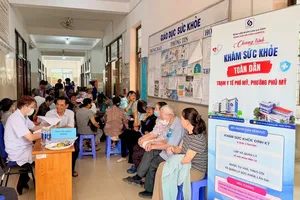
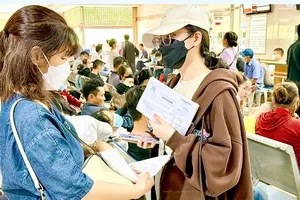
According to the Ho Chi Minh City Department of Health, the Community Health platform has so far recorded health information for 2,311,179 people. Of the total, 2,180,245 records were generated from student health examinations conducted during the 2025–2026 academic year, while 130,934 records came from health check-ups provided to residents since January 1, 2026.
These initial datasets form the foundation of the city's electronic health record system, which aims to support lifelong health management, disease prevention, early detection and more effective healthcare services as part of the healthcare sector's digital transformation strategy.
Associate Professor Dr. Tang Chi Thuong, Director of the Ho Chi Minh City Department of Health, said that the department is working closely with the city's Digital Transformation Center to accelerate the completion of electronic health records and integrate them into the Digital Citizen Application.
In the initial phase, all periodic health examination results will be uploaded to residents' electronic health records, creating a basic health profile for each citizen.

The next phase will begin once the healthcare sector's centralized data warehouse becomes operational, expected by the end of 2026. At that stage, electronic health records will be connected and synchronized with electronic medical records maintained by hospitals and healthcare facilities, enabling the creation of comprehensive lifelong health profiles for residents.
According to Dr. Tang Chi Thuong, the integrated system will allow citizens to conveniently access and manage their health information online while enabling healthcare providers to continuously update and utilize patient data. The initiative is expected to improve preventive healthcare, support early disease detection, enhance treatment outcomes and strengthen data-driven healthcare governance.
Regarding the city's universal health screening program, the municipal Department of Health commended several localities for their proactive implementation efforts.
Leading localities in terms of the number of residents receiving health examinations include An Nhon Tay Commune with 9,419 people, Ba Diem Commune with 7,653, Tan Tao Ward with 3,548, Hiep Phuoc Commune with 2,633, Thanh An Commune with 2,452, Tan Nhut Commune with 2,447, Tang Nhon Phu Ward with 2,333, Hung Long Commune with 2,283 and Bac Tan Uyen Commune with 2,189.
Health officials said that these results reflect strong coordination between local authorities and healthcare providers. Many localities have developed detailed implementation plans, mobilized local resources, promoted public awareness campaigns and worked closely with community health stations, regional medical centers and assigned hospitals to ensure effective delivery of health screening services.
Despite the progress, the Ho Chi Minh City Department of Health noted that some localities have yet to fully update health examination data on the management system. Cross-checking revealed that the actual number of residents screened in several areas exceeded the figures currently recorded in the database.
The department warned that delays in data entry could hinder efforts to monitor program implementation and slow the development of electronic health records. Local authorities have therefore been urged to review and reconcile their data, promptly update examination results and continue encouraging residents to participate in health screening programs to ensure assigned targets are achieved.