Politburo Resolution No.72-NQ/TW on breakthrough solutions to improve and protect the public’s health has frankly pointed out the prolonged limitations of grassroots healthcare over many years. This reality has also happened in HCMC.
Many ward and commune clinics still operate passively, waiting for people to come for examination, while lacking proactivity in approaching, managing, and monitoring people’s health in their assigned areas. Grasping the community health situation is still heavy on administrative reporting and lacks mechanisms.
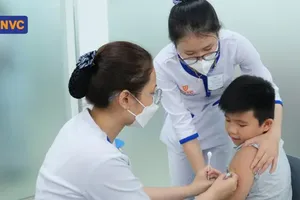
In addition, professional activities still lean towards handling individual incidents, focusing on certain services like vaccination, common medical examinations, or implementing target programs according to plan. Besides, these health stations have not truly played the role of a focal point for coordinating healthcare in the area.
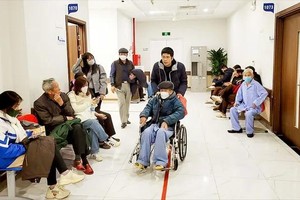
This prolonged passive approach has prevented grassroots clinics from promoting the foundational role of grassroots healthcare and failed to build people’s trust, leading to a tendency to bypass these health stations and seek upper-level hospitals even for common illnesses.
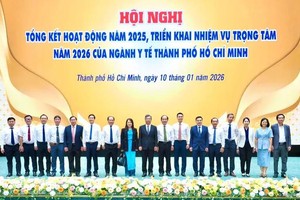
Director Tang Chi Thuong then mentioned possible measures to innovate the operation of grassroots clinics, especially in the context of arranging them under the People’s Committees of wards, communes, and special zones, suitable for the two-tier local government model.
He stressed that reorganizing the apparatus is only a necessary condition; administrative changes alone cannot improve primary healthcare quality. Along with infrastructure investment, these clinics must shift from passive “waiting for patients” to “continuous healthcare teams attached to the locality.”
This model proactively monitors community health by household, life stage, and risk group, prioritizing prevention. By managing health actively rather than waiting for visits, this approach sustainably reduces overload for upper levels while significantly enhancing primary healthcare quality and also ensuring true efficiency.
Explaining in more detail the model of “continuous healthcare team attached to the locality”, the Director shared that each such team attached to the locality consists of at least
- one family doctor or general practitioner as team leader;
- one nurse acting as care coordinator;
- one pharmacist or pharmacy assistant in charge of drug management and treatment adherence monitoring;
- one public health staff member in charge of vaccination, screening, and preventive medicine;
- 2-6 health collaborators in residential areas, acting as a vital bridge between clinics and residents.
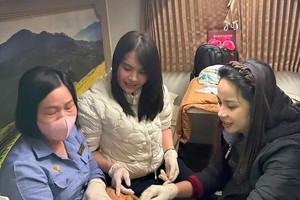
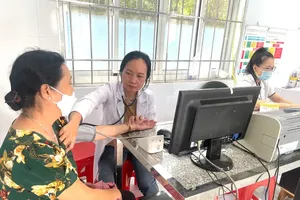
To function effectively, clinics must shift to proactive care by registering residents to specific teams for continuous responsibility. Care targets life cycles and risk groups, including children and the elderly. Clinics build proactive schedules with regular home visits by staff and doctors when needed.
Furthermore, established referral mechanisms and post-treatment follow-up ensure patients remain managed within the community after discharge, guaranteeing seamless, comprehensive support for every single resident.
Since this is a new model under HCMC’s practical conditions, pilot implementation is necessary to draw experience before replication. It’s expected that the health sector will select a typical ward/commune with a scale of about 30,000-40,000 people, divided into 5-7 healthcare areas, each with a fixed team in charge.
Pilot results will be evaluated by specific indicators such as rate of people receiving periodic health checks, rate of electronic health records established, chronic disease management rate, rate of people returning to health stations, and people’s satisfaction level. Based on that, the model will be perfected and gradually replicated.
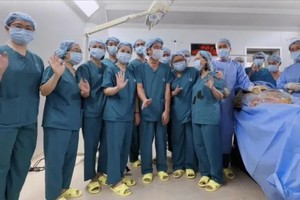
Turning to the matter of deploying high-skilled specialists from the city’s leading hospitals to work short-term at Con Dao Military-Civil Medical Center for more than four months, Director Tang Chi Thuong reported truly promising results.
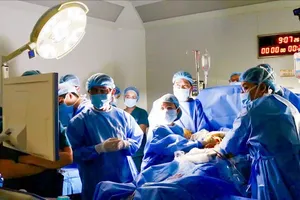
Examination and treatment visits increased sharply, from 80 to over 150 visits/day, sometimes exceeding 200. Dozens of surgeries have been performed, including many severe, complex emergency cases and many specialized techniques deployed for the first time in Con Dao.
The program affirms profound humanistic meaning, contributing to realizing the policy of ensuring equity in accessing medical services, not letting geographical distance become a barrier to the right to healthcare.
Finally, the Director introduced suitable programs for the upcoming time to develop healthcare in this special zone. In 2026, the HCMC health sector will expand new specialties such as rehabilitation and neurosurgery; deploy periodic health checks and establish electronic health records for all Con Dao residents.
Parallel to that is feasible proposals to the HCMC People’s Committee to build specific policies to attract, train, and develop long-term medical human resources for the island, as well as suitable support mechanisms for rotating doctors to feel secure in their work.
The HCMC health sector is gradually bringing the “specialized healthcare pole” out to sea and islands so that even in the farthest reaches of the city, people are still protected by a timely, quality, and humane health system.
“Piloting the ‘continuous healthcare team attached to the locality’ model is a specific, feasible, and necessary step in the current period. This is not only a solution to overcome prolonged limitations of grassroots healthcare but also creates a foundation for health stations to truly become the people’s ‘first medical touchpoint’ – a place for proactive, continuous, and comprehensive primary healthcare.”
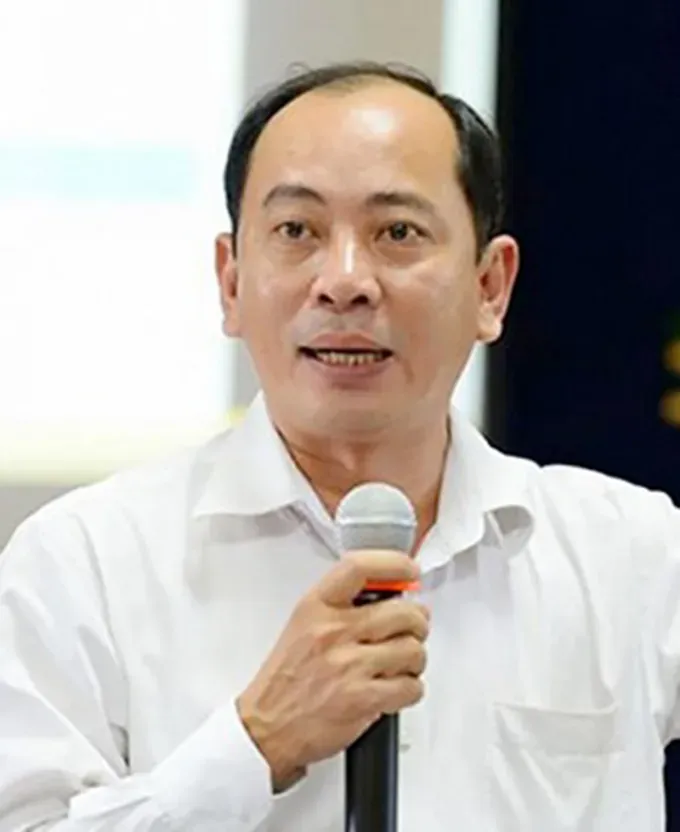
Assoc Prof Tang Chi Thuong, MD PhD, Director of the HCMC Department of Health