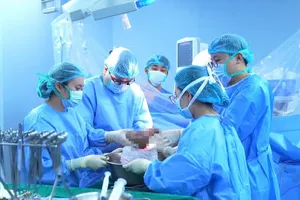
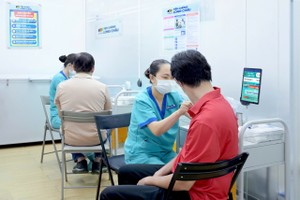
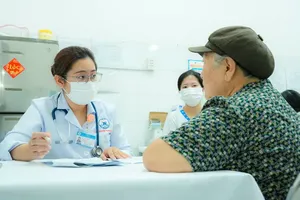
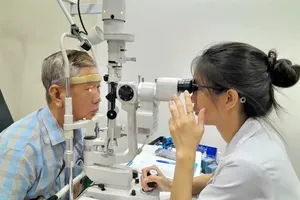
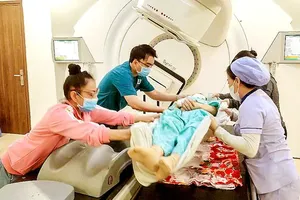
Many techniques that were previously only performed at the world's leading medical centers, such as fetal cardiac intervention, neurosurgery and reconstructive surgery, organ transplantation and minimally invasive surgery, are now performed at tertiary hospitals in the city.
World-class techniques
In recent years, Ho Chi Minh City's healthcare system has made significant strides in mastering and successfully implementing a range of specialized techniques in many fields: from organ transplantation, complex cardiovascular interventions, neurosurgery and spinal surgery, multimodal cancer treatment, microsurgery to advanced intensive care, fetal medicine and personalized medicine. Many techniques that previously required patients to seek treatment abroad are now being successfully performed in Ho Chi Minh City, with reasonable costs and increasing treatment quality.
Notably, doctors at Tu Du Hospital and Children's Hospital 1 in Ho Chi Minh City successfully performed the 13th fetal cardiac intervention immediately after the Ministry of Health approved the technical catalog.
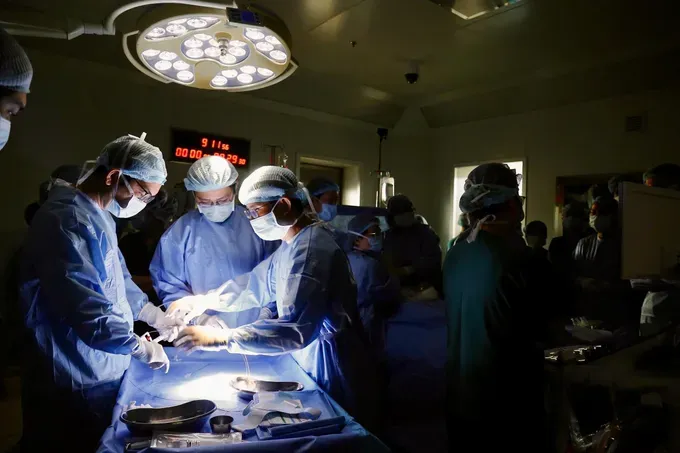
Notably, instead of taking four to six hours as before, doctors only needed 30 minutes to “repair” the heart of a fetus with congenital heart abnormalities while still in the womb. Dr. Tran Ngoc Hai, Director of Tu Du Hospital, stated that the procedure was successful on the first attempt, ensuring technical accuracy while minimizing time and risks for both the mother and fetus.
Previously, Binh Duong General Hospital in Ho Chi Minh City had successfully treated a case of complete hand amputation using a temporary hand-to-foot graft technique to maintain blood flow, followed by reattachment to the arm under stable tissue and vascular conditions.
Gia Dinh People's Hospital had also successfully implemented an emergency procedure using “mobile ECMO,” bringing the extracorporeal circulation system directly to the scene, setting up ECMO on-site to sustain life, and transferring the patient to a tertiary hospital for further treatment. This represents a significant advancement in critical emergency care capabilities, marking Ho Chi Minh City as one of the few localities in the region to successfully implement the mobile ECMO model.
Towards a leading regional healthcare hub
According to Assoc. Prof. Dr. Tang Chi Thuong, Director of the Ho Chi Minh City Department of Health, the successful implementation of these advanced techniques confirms the city’s role as a leading center for specialized medical care in the Southern region and sets the foundation for becoming a reputable healthcare hub in the ASEAN region.
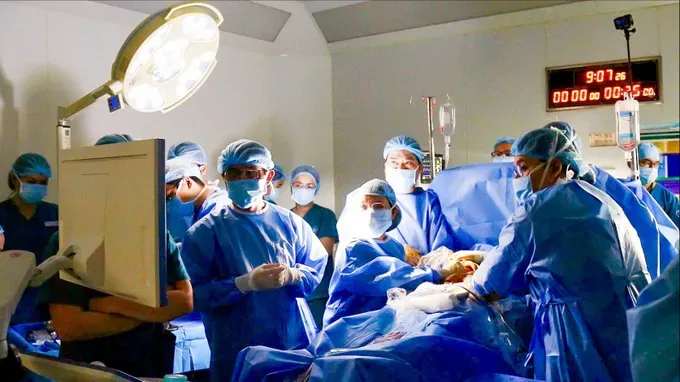
These techniques not only represent the pinnacle of expertise but also demonstrate a spirit of responsibility and smooth coordination between medical facilities, as well as the comprehensive development of the city's healthcare system in advanced treatment and out-of-hospital emergency care. Additionally, this affirms that the city's healthcare sector has the capability to access and implement the most challenging areas of modern medicine, developing specialized healthcare within a multi-center, multi-specialty ecosystem.
In its long-term development strategy, Ho Chi Minh City aims not only to effectively meet the healthcare needs of its residents and the Southern region but also to gradually deepen its involvement in the “healthcare map” of Southeast Asia. To realize this goal, the head of Ho Chi Minh City's healthcare sector believes that, in addition to specialized techniques, the city is focusing on the synchronized development of healthcare infrastructure, digital transformation, modern hospital management, and improving service quality to international standards.
In the coming period, the Ho Chi Minh City healthcare sector will continue to invest in and develop specialized healthcare fields in a focused and prioritized manner; prioritize fields that require high levels of expertise, interdisciplinary coordination, and bring long-term value to patients; while also focusing on training human resources, improving inter-hospital coordination mechanisms, and creating conditions for advanced techniques to be implemented in a sustainable, safe and humane manner.
Eight key healthcare development objectives for 2026
1. Planning and investing in infrastructure development to align with the city's overall master plan.
2. Training high-quality healthcare personnel.
3. Establishing and developing a specialized medical and pharmaceutical industrial zone.
4. Developing modern, specialized techniques.
5. Building a network of specialized care from tertiary hospitals to primary healthcare facilities.
6. Developing additional types of healthcare services.
7. Developing medical tourism linked to specialized medicine and traditional medicine.
8. Building an ecosystem for innovation, research, and development.
Source: the Ho Chi Minh City Department of Health

)