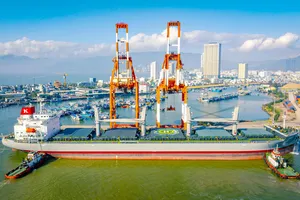
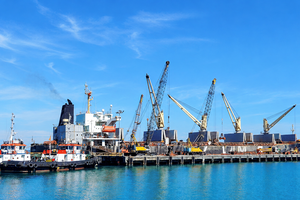
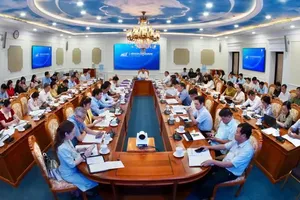
The model, the first of its kind in Vietnam, connects two adjacent terminals to increase operational flexibility and enable them to handle more vessels simultaneously.
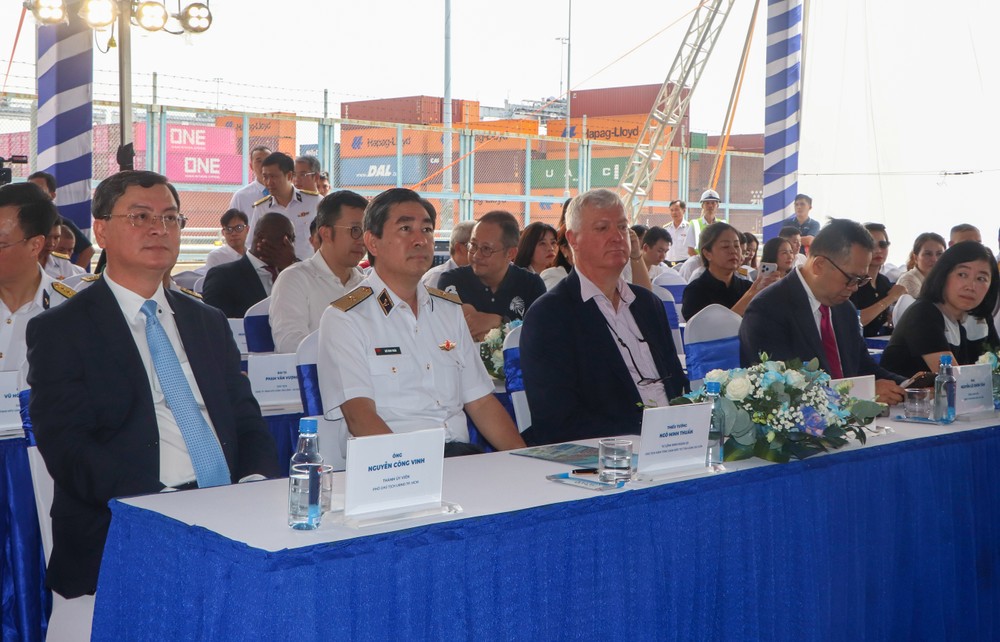
The launch ceremony was attended by Vice Chairman of Ho Chi Minh City People's Committee Nguyen Cong Vinh, representatives of ministries, regulatory agencies, businesses and domestic and international shipping lines.
Colonel Vu Hong Hung, Director of TCTT, said the comprehensive integration of the two terminals would help address bottlenecks in berth allocation, improve operational efficiency, and strengthen their capacity to serve international shipping companies.
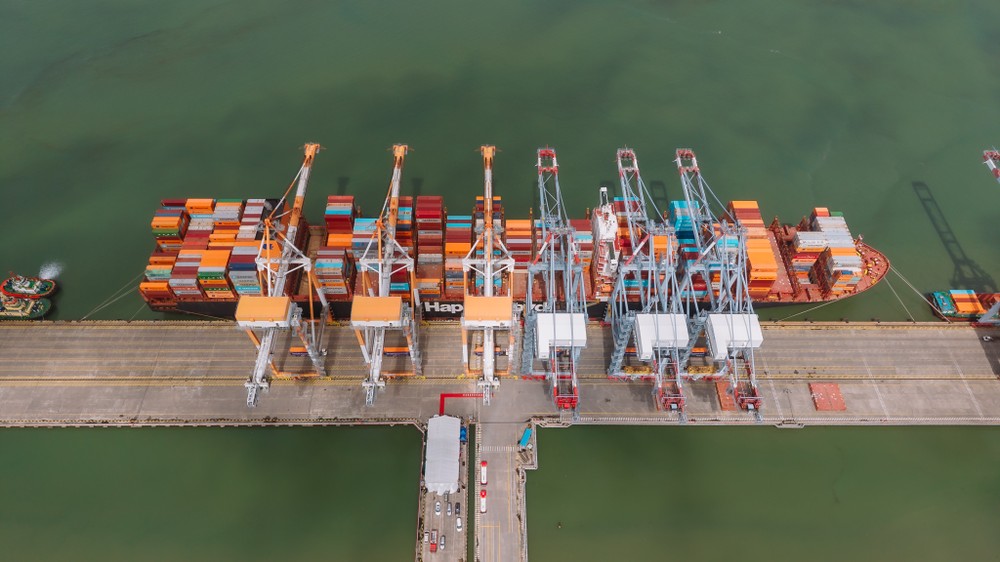
After more than two years of preparation, CMIT and TCTT have completed the necessary planning arrangements, technical connections, technology integration, and operational procedures. Previously operated independently, the terminals will now coordinate berth allocation, equipment deployment, and cargo-handling activities.
The main advantage of the arrangement is a continuous 1,200-meter quay capable of accommodating and handling three large container ships simultaneously. When operating separately, each terminal could handle only one such vessel at a time, leaving some berth capacity underutilized.
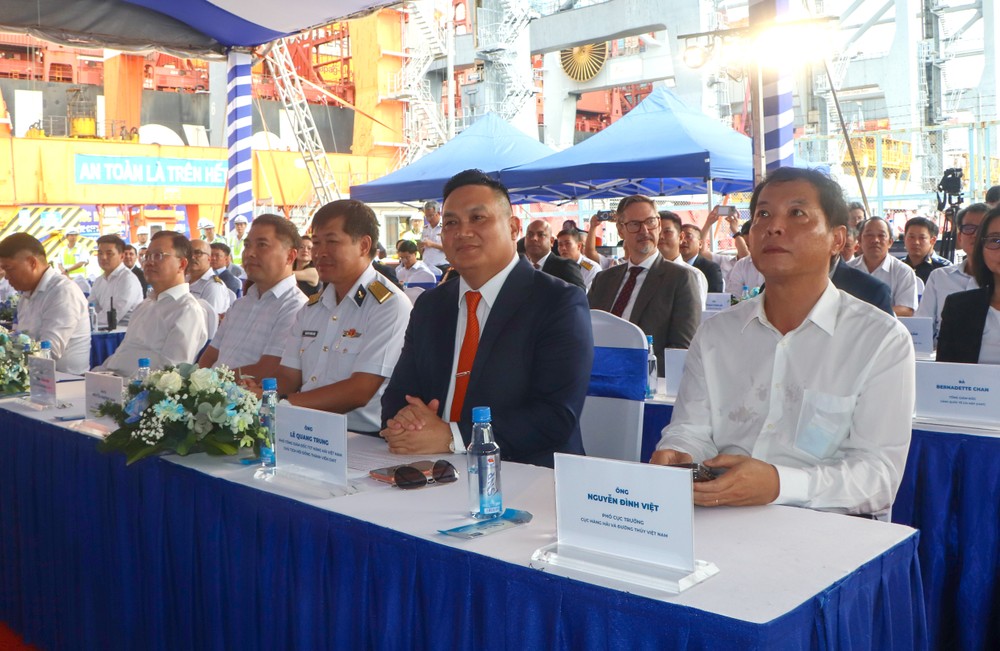
Speaking at the ceremony, Mr. Nguyen Cong Vinh praised the initiative, saying cooperation between the two companies would improve the efficiency of existing infrastructure, increase operational flexibility and generate greater value from port activities.
Ho Chi Minh City has identified the development of a modern seaport and logistics ecosystem as a strategic priority to boost its competitiveness and strengthen its position in international maritime trade.
The city's leadership highlighted the strategic location of the Cai Mep-Thi Vai port complex near major international shipping routes, making it a crucial gateway for imports and exports in southern Vietnam's key economic region.
The city plans to improve connectivity between the Cat Lai and Hiep Phuoc ports, river ports and inland container depots (ICDs) in Binh Duong and the deep-water Cai Mep-Thi Vai complex and the proposed Can Gio international transshipment port. The plan also calls for stronger links with industrial parks, logistics hubs and strategic transport corridors.
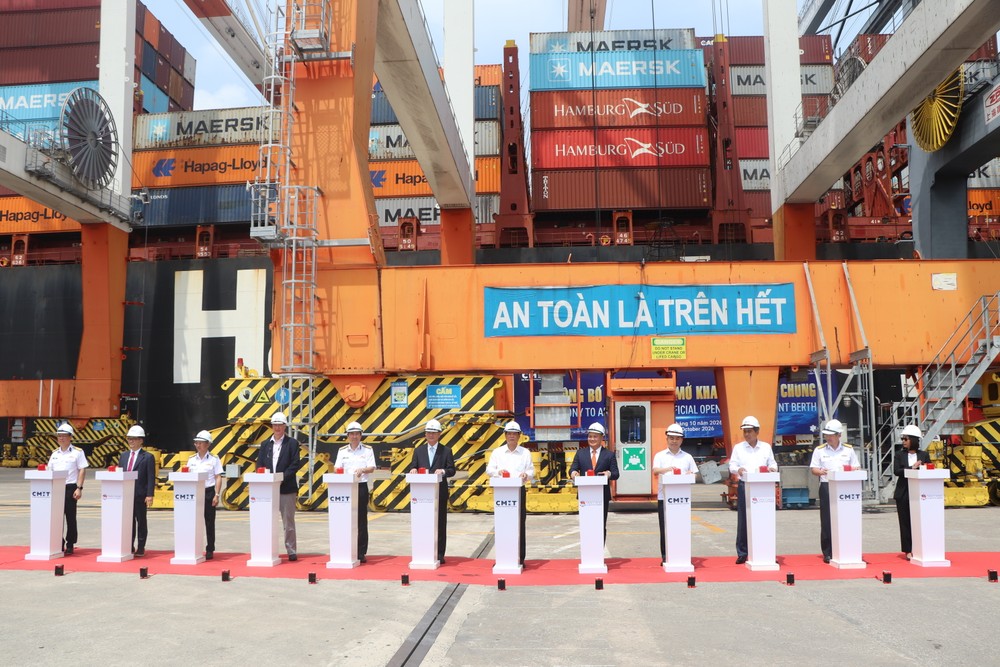
To support the maritime sector, the city has pledged to streamline administrative procedures, accelerate digital transformation and improve transport infrastructure connecting port facilities with the wider region. These measures are intended to facilitate business operations and attract international shipping services.
Mr. Nguyen Dinh Viet, Deputy Director of the Vietnam Maritime and Waterway Administration, said port cooperation involved not only physical infrastructure links but also the integration of operational capacity across the region. Such arrangements could make better use of existing facilities, reduce fragmented investment and strengthen the competitiveness of Vietnam's maritime industry.
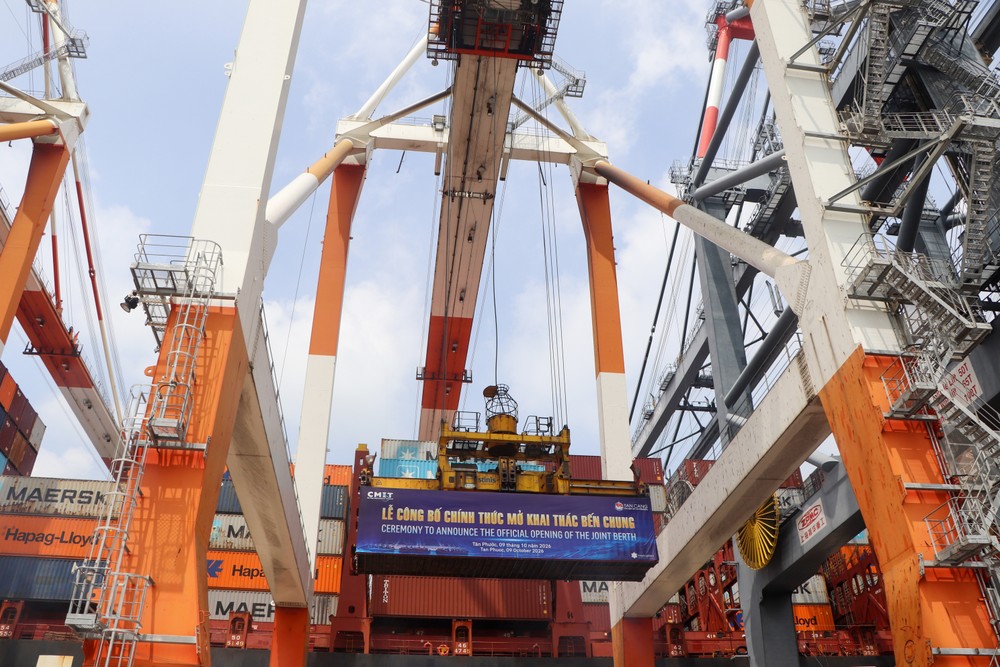
He said the joint berth model was the first of its kind in Vietnam. The Vietnam Maritime and Waterway Administration is considering incorporating provisions to encourage port infrastructure sharing and joint operations into a draft revision of the Vietnam Maritime Code, potentially providing a legal framework for expanding the model to other ports in the future.