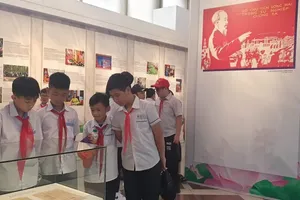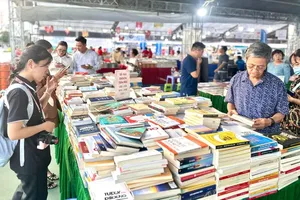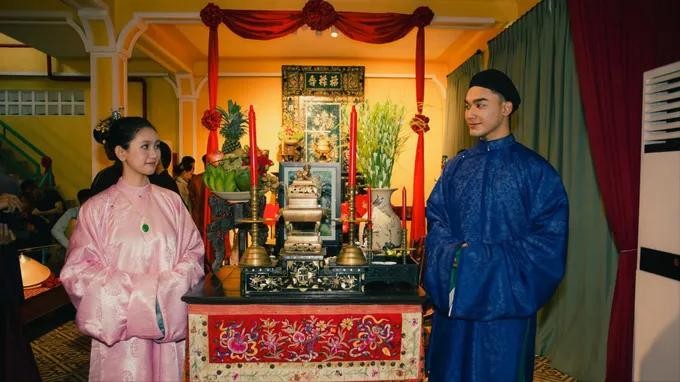
Amid this flow, preserving cultural identity means not only safeguarding existing values but, more importantly, building a generation with a cultural foundation, the discernment to make informed choices and the creativity to carry forward and promote national values in the language of the times.
HCMC youth blend tradition and innovation
Vo Chau Thinh, Deputy Head of the Faculty of Philosophy at the University of Social Sciences and Humanities under Vietnam National University Ho Chi Minh City, said preserving cultural identity in Ho Chi Minh City today needs to be viewed more broadly: not only preserving what already exists but also affirming the city’s human values through cultural creativity and adaptation.
Music, fashion and digital lifestyle trends, when they enter Vietnamese life, all go through processes of selection, adaptation and creativity. Young people have become the creators of their own versions, Deputy Head Vo Chau Thinh said.
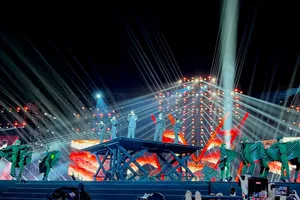
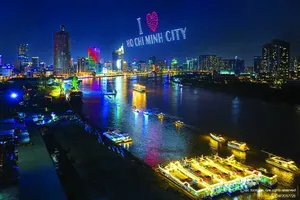
Young people are reshaping the way their city is narrated through creative forms of expression. A music production may adopt international styles while weaving in stories of a street in Ho Chi Minh City or the Saigon River. A podcast might present history with a contemporary rhythm, while a technology product can reimagine architecture and heritage using innovative methods. In each case, the modern does not erase the traditional. Instead, it becomes a channel through which cultural values are carried into contemporary life.
From this perspective, cultural management also needs to change its approach by creating more spaces for young people to experiment, create and take ownership of the resources of the times. In this way, integration does not lead to cultural assimilation. On the contrary, when they have sufficient internal strength, young people can turn cultural exchange into an opportunity for Vietnamese culture to have a more proactive presence.
Youth balance technology and tradition
If cultural identity requires the ability to adapt and integrate, the deeper issue is that young people need a sufficiently strong value foundation to make choices amid the many influences they encounter every day. The online environment means they are simultaneously content consumers, creators and distributors. Along with opportunities to access global knowledge comes the risk of chasing likes, views, virtual recognition and passing trends.
Pham Thi Nhu Thuy, a member of the HCMC Council for Literary and Artistic Theory and Criticism and a lecturer at the Faculty of Social Sciences and Humanities at Cuu Long University, said: “Young people are ‘the subjects of the present and the resources of the future.’ They cannot simply be taught how to use technology without digital ethics. They cannot simply be encouraged to start businesses without social responsibility. They cannot simply be given the opportunity to reach the world without strong roots in their cultural identity.”
Movements such as “Outstanding Young Teachers,” “Three Responsibilities,” “Three-Practice Students,” “Three-Good Students” and “Five-Good Students,” along with volunteer, creative, environmental protection and community support activities, have helped turn values into action. However, their reach remains uneven.
Young industrial workers, freelancers, people in suburban areas and vulnerable groups still have limited opportunities to access values-based educational activities. Some content and implementation methods have also not been engaging enough to create clear changes.
To address these gaps, young people need to be given a central role. According to lecturer Ngo Tuyet Nhi of the Faculty of Cultural Studies at the University of Social Sciences and Humanities under Vietnam National University-HCMC, cultural identity is reflected in how young people speak Vietnamese, interact with others, use social media, view their families, understand their city and introduce themselves when entering an international environment.
A modern city is identified not only by its infrastructure or technology but also by how its people live with one another, through the values that the younger generation chooses and spreads.
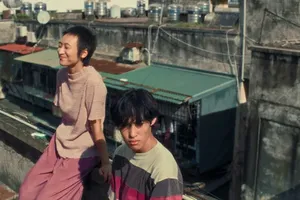
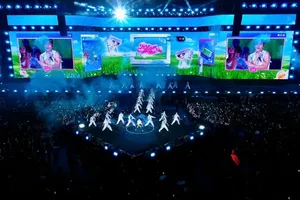
Deputy Head of the Faculty of Philosophy at the University of Social Sciences and Humanities, Vo Chau Thinh, cited K-pop as an example of the power of cultural adaptation: Koreans drew from Pop and Hip-hop to create products with a “Korean spirit” in an international form. From this, he suggested that young people in Ho Chi Minh City can likewise use the world’s “raw materials” to create products with a distinctly Vietnamese character.





)