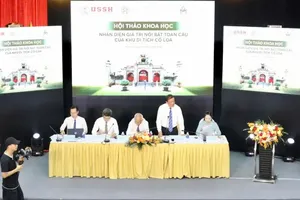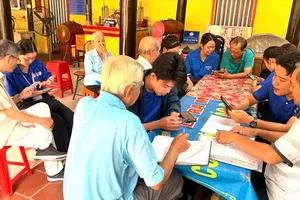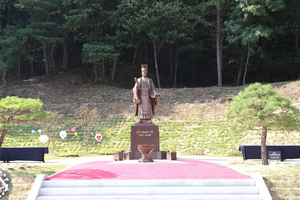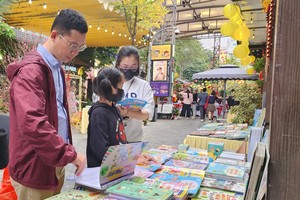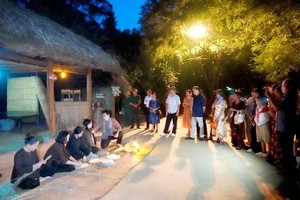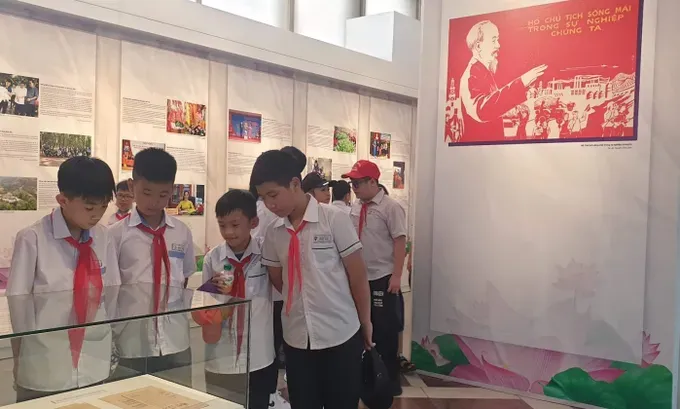
The program focuses on bringing history, heritage, and traditional culture into schools while strengthening students’ ability to critically select information in the digital environment.
The information was provided by Minister of Culture, Sports, and Tourism Lam Thi Phuong Thanh in a written response to recommendations from Ho Chi Minh City voters following the first session of the 16th National Assembly. Voters urged the Government to pay greater attention to educating younger generations in culture, ethics, and lifestyles; preserving and promoting traditional cultural values; mobilizing social resources; and accelerating the application of technology and digital transformation in the cultural sector.
According to the Ministry of Culture, Sports and Tourism, developing a system of Vietnamese human values, particularly nurturing ideals, ethics, healthy lifestyles, and aesthetic capacity among younger generations, is a strategic and core task aimed at strengthening the nation's endogenous strength.
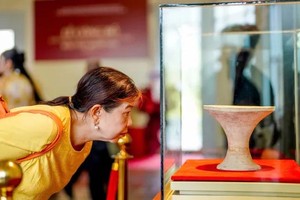
The 2024 Law on Cultural Heritage provides for exemptions and reductions in entrance fees for children, pupils, and students visiting and studying at heritage sites and museums. The law also identifies education as a key function of museums, promoting a shift from passive displays toward experiential and interactive spaces.
In schools, cultural heritage and local history education are incorporated into curricular and extracurricular activities, as well as the “Civic and Student Orientation Week.” Pupils and students are encouraged to visit and help preserve heritage sites, museums, and traditional craft villages while establishing cultural and arts clubs and creating videos, podcasts, and digital learning materials to promote their hometowns and the country.
In addition, pupils and students are taught skills to access and select positive information, protect themselves from inappropriate foreign cultural influences, and resist materialistic lifestyles.
The Ministry of Culture, Sports and Tourism has also issued a Code of Cultural Conduct in the Digital Environment and coordinated efforts to prevent harmful cultural products, offensive content, and deviant trends. It has directed the arts, film, and publishing sectors to step up the creation of quality products for young people.
Schools, families, and society are being connected with museums, libraries, cultural centers, and sports centers to bring traditional culture and arts closer to younger generations.
The ministry is also encouraging communities and businesses to participate in heritage digitization, support artisans, pass down traditional cultural practices, restore cultural spaces, and develop cultural and tourism products associated with heritage while ensuring authenticity and preserving original values.