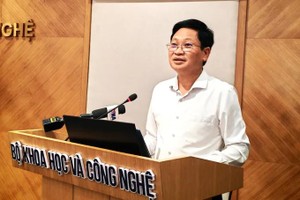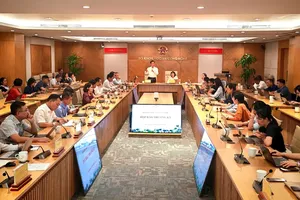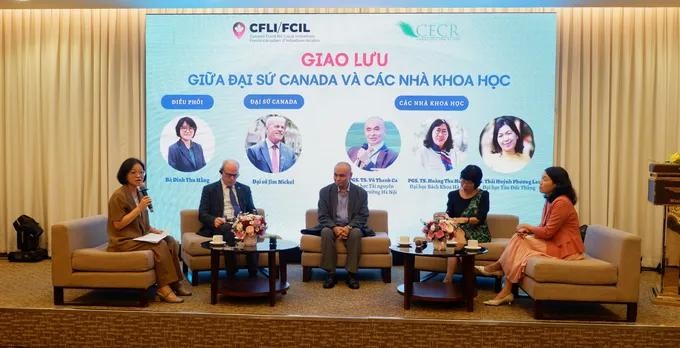
The Center for Environment and Community Research (CECR) - an NGO under Vietnam Union of Science and Technology Associations (VUSTA) on December 16 launched the project “Promoting the Active Participation of Women Scientists in Climate Change Adaptation and Community-Based Disaster Risk Management.”
In recent years, Vietnam has introduced many important policies on gender equality, science and technology development, and climate change response. These policies emphasize the crucial role of science and technology and the equal participation of women in research for sustainable development. However, the connection between women scientists in STEM and local communities remains limited. There is still a lack of long-term collaboration mechanisms and spaces for knowledge sharing, which has prevented many scientific initiatives from being applied in practice.
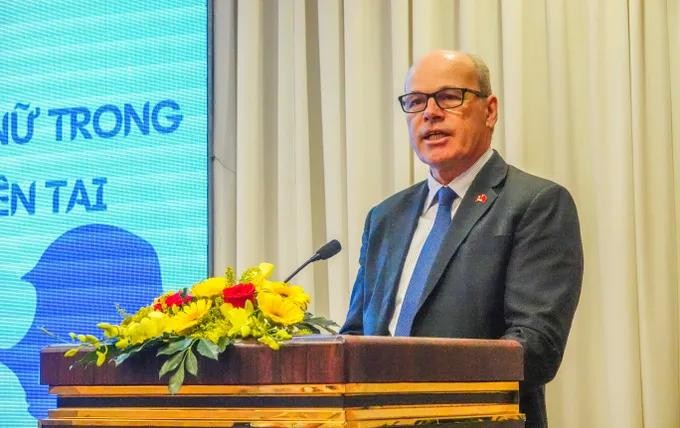
Canadian Ambassador to Vietnam Jim Nickel highlighted that promoting gender equality and empowering women are central priorities in Canada’s development cooperation, particularly in addressing climate change. Strengthening women’s leadership and voice in STEM, climate solution design, and decision-making processes is considered key to effectively tackling challenges related to natural disasters, water security, and sustainable development.
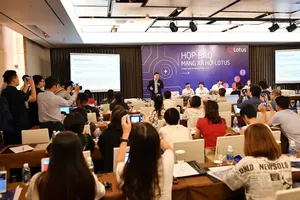
A highlight of the event was the launch of the Network of Women in STEM for Climate, Community Development, and Gender Equality. The network aims to build an interdisciplinary space that fosters knowledge exchange, supports research, and partners with communities in responding to climate change.
According to Nguyen Ngoc Ly, Chair of CECR’s Board of Trustees, as climate change increasingly affects vulnerable communities, science must move beyond laboratories to accompany people in real-world actions. The establishment of the network serves as a two-way empowerment mechanism enabling women scientists to exercise leadership while helping communities access scientific knowledge in an approachable and sustainable way.
During the discussion session, delegates exchanged views on the role of women in STEM in climate change adaptation, gender mainstreaming in disaster risk management, and opportunities to enhance the application of science and technology in community-based initiatives.