The city is focusing on urban beautification, infrastructure upgrades, diversification of tourism products, and improvements in service quality in an effort to enhance its appeal to visitors.
A vibrant picture
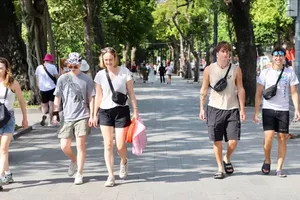
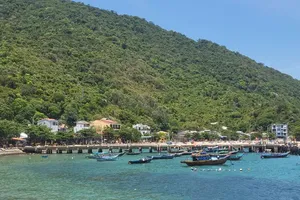
In the early days of summer, crowds of visitors flock to Bai Sau Beach from early morning. The sound of waves blending with the vibrant atmosphere of cafés, restaurants, and entertainment venues creates a lively tourism landscape. Vung Tau is making a strong resurgence following the period of restructuring and administrative boundary merger.
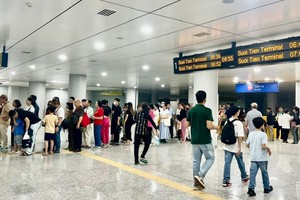
According to statistics, in the first four months of this year alone, Vung Tau Ward in Ho Chi Minh City welcomed more than 1.5 million visitors, generating nearly VND2.7 trillion (US$102.5 million) in tourism service revenue. During the recent April 30 and May 1 holiday, the number of tourists arriving in Vung Tau peaked at around 73,000 people per day at certain times.
Tourism continues to serve as the locality’s spearhead economic sector, driving the development of nearly 7,000 service business households, ranging from hotels and restaurants to transport and entertainment services. The sector has contributed to job creation and stable incomes for residents while providing strong momentum for the robust recovery of the local economy.
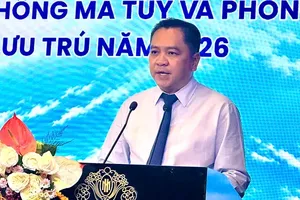
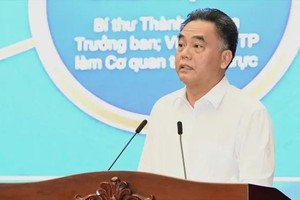
These figures reflect the enduring appeal of the coastal urban area and the rapidly growing demand for seaside tourism and leisure. According to Mr. Vu Hong Thuan, Chairman of the People’s Committee of Vung Tau Ward, Vung Tau’s transformation is not the result of luck. Behind the sharp increase in visitor numbers lies a series of comprehensive solutions that have been implemented over recent years.
Transport infrastructure connectivity has become increasingly convenient, helping shorten travel time from Ho Chi Minh City and neighboring provinces. Coastal roads, public spaces, parks, and squares have also been upgraded and beautified, contributing to a more modern, clean, and attractive urban landscape.
In addition, efforts to ensure public security and order, environmental sanitation, and tourism management have also been strengthened. A friendly and civilized Vung Tau is gradually becoming the city’s new image in the eyes of visitors. Cleaner beaches, tidier streets, and more professional service attitudes are among the factors helping the coastal urban area retain tourists.
In addition, local authorities have proactively organized numerous large-scale cultural events and festivals to enrich visitor experiences. Beachside art performances, culinary festivals, sports activities, and community entertainment programs are contributing to making Vung Tau a vibrant destination throughout the year, rather than only during peak tourism seasons.
Promoting local cultural heritage
Despite these achievements, several limitations remain. Traffic congestion during peak periods continues to place heavy pressure on the inner-city transport network, parking facilities, and accommodation system. In addition, Vung Tau is still largely viewed as a “same-day return” destination, meaning visitors’ length of stay and spending levels have yet to fully match the city’s tourism potential.
Recognizing these challenges, local authorities are aiming to transform the tourism development model toward higher quality and greater sustainability. For the 2026-2030 period, the People’s Committee of Vung Tau Ward has approved 15 projects with a total investment capital of approximately VND500 billion (US$19 million). These projects focus on urban beautification, transport infrastructure upgrades, improvements to public spaces, and the development of coastal tourism areas.
In the coming period, priority will be given to planning work and the publication of project portfolios aimed at attracting business investment in the tourism-service sector. At the same time, the locality will continue upgrading connecting roads and developing synchronized infrastructure to create a modern image for the coastal urban area.
Notably, Vung Tau is no longer pursuing a one-dimensional tourism model based solely on beach tourism. The locality is gradually restructuring its tourism products to enhance visitor experiences and extend tourists’ length of stay. The new development orientation focuses on green tourism, smart tourism, and tourism products with a distinctive local identity.
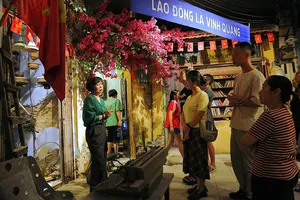
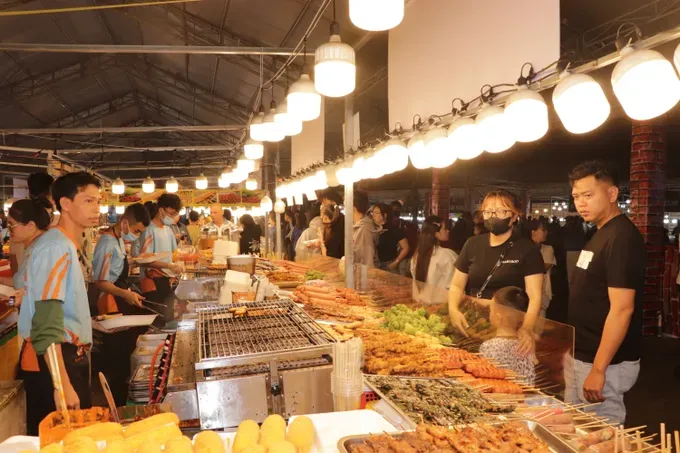
Accordingly, in addition to traditional seaside tourism, Vung Tau is promoting the development of night streets, culinary spaces, fishermen’s cultural experiences, wellness tourism, and community-based experiential activities. These products not only provide visitors with more diverse options but also help tap into the depth of local culture—an element still lacking in many destinations today.
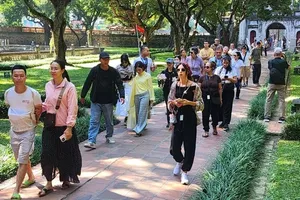
Traditional festivals, coastal cultural spaces, and the system of historical relic sites are also expected to become defining features of Vung Tau in the future. When visitors come not only for beach activities but also to explore local culture, enjoy cuisine, and experience community life, the value of the destination will be significantly enhanced.
With a comprehensive development strategy and a long-term vision, Vung Tau is steadily elevating its position on the tourism map of the Southern region.