The Vietnam Trade Office in Algeria, concurrently accredited to Senegal, together with the Ministry of Industry and Trade, reported on the afternoon of March 24 that Senegal’s rice import demand is estimated at about 1.5 million tons in 2026, accounting for roughly 70 percent of total domestic consumption. The country has a population of more than 19.3 million and an average rice consumption of around 117 kilograms per capita per year, among the highest levels in West Africa.
The US Department of Agriculture (USDA) estimates Senegal’s total rice consumption in the 2025–2026 marketing year at about 2.26 million tons, up about 2 percent from the previous season, mainly driven by population growth. Domestic production currently meets only about 25–30 percent of demand.
Senegal’s rice import market remains relatively open, with major suppliers including India, Thailand, China, Pakistan, Uruguay, and Vietnam. In addition to domestic consumption, the country also imports rice for re-export to neighboring markets such as Mauritania, Guinea-Bissau, and Gambia.
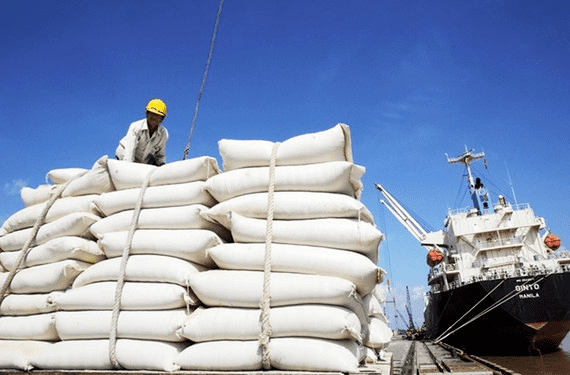
According to the Ministry of Industry and Trade, Vietnam’s rice exports to Senegal surged in 2025. Data from the Vietnam Customs Department show export volume reaching 168,020 tons, nearly 30 times higher than in 2024. Vietnamese rice, mainly broken rice, has been distributed through supermarket chains in Senegal in 5kg and 25kg packages, with an average retail price of about US$1.3 per kilogram.
In July 2025, the ministries of industry and trade of the two countries signed a memorandum of understanding (MOU) on rice trade. Under the agreement, Vietnam will promote exports of about 100,000 tons of rice annually to this market, while both sides are implementing cooperative measures to expand bilateral trade and help ensure food security for Senegal.