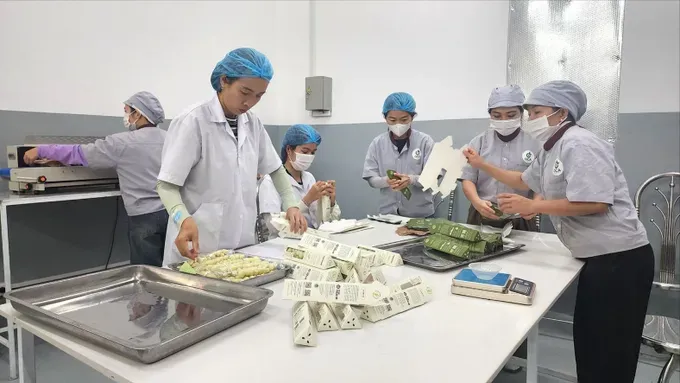
By embracing corporate partnerships and advanced agricultural technologies, farmers in Ho Chi Minh City are increasing their incomes, professionalizing production, and securing a stronger foothold in the market.
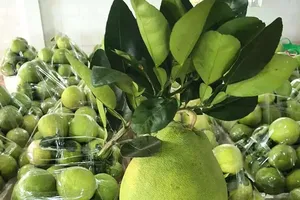
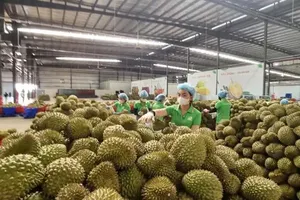
In the green-skin pomelo cultivation zone of the Song Xoai Green-Skin Pomelo Cooperative in Tan Thanh Ward, the main harvest season is in full swing. Nguyen Van Em, a cooperative member, noted that joining an export-oriented supply chain has forced farmers to fundamentally change their mindset and practices. From fertilization and irrigation to general plant care, every step must now strictly adhere to technical standards to ensure product uniformity and full traceability.
By following these rigorous protocols, Mr. Em’s orchard successfully signed a contract to supply over 70 tons of pomelo for export at nearly VND30,000 per kilogram, yielding a profit of approximately VND1 billion (US$38,000).
Director Ho Hoang Kha of the Song Xoai Green-Skin Pomelo Cooperative, which brings together nearly 100 growers, says the cooperative’s recent success stems from a fundamental change in production philosophy. In the past, farmers were heavily dependent on traders and vulnerable to volatile market prices. Today, by adhering to export standards, businesses secure contracts directly at the orchards early in the season. This shift allows farmers to concentrate on cultivation with greater confidence and stability.
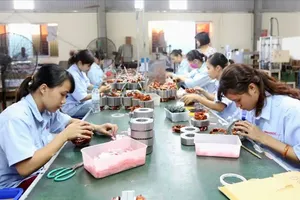
In Kim Long Commune, farmer Tran Tai has spent nearly a decade refining his craft, successfully cultivating cordyceps mushrooms. As of June 2026, Mr. Tai has developed eight products derived from cordyceps, including two—Vinabiomush cordyceps tea bags and dried Vinabiomush cordyceps—that have achieved 4-star OCOP (One Commune, One Product) certification. Annually, his facility supplies over 1,000 boxes of tea bags and 500kg of raw cordyceps, generating a profit of over VND2 billion. Beyond his own production and sales, he also provides seedlings and technical guidance to help more than 50 workers in Ho Chi Minh City develop their own cordyceps farming models.
Meanwhile, in Binh Gia Commune, Director Nguyen Thi Thu of OCA Viet Nhat Company has spent recent years visiting local cocoa farms, encouraging farmers to switch to organic cultivation and committing to purchasing their harvest at prices three to four times higher than the market rate.
As a result, the price of fresh cocoa has climbed from VND4,000 to VND15,000 per kilogram. In addition to exporting raw cocoa beans, the company has invested in production lines to manufacture chocolate, pure cocoa powder, tea, and cocoa wine.
HCMC backs 321 agri-co-ops with loans, tech push and local first procurement
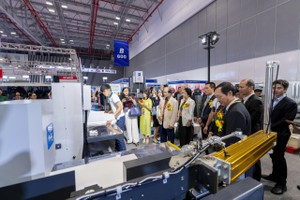
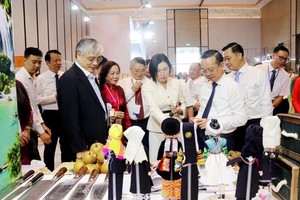
According to Nguyen Cong Vinh, Vice Chairman of the Ho Chi Minh City People's Committee, the city currently hosts 321 active agricultural cooperatives. Many of these operate effectively through value-chain models that align with market economics and the specific demands of urban agriculture. These initiatives have improved awareness regarding production-consumption integration while promoting the production of clean, safe, and traceable agricultural products. In the eastern part of the city, cooperatives are accelerating the connection between farmers, cooperatives, and enterprises, gradually applying high technology to production, processing, and distribution.
City leadership stated that future plans include the creation of specialized credit packages, specifically designed to offer preferential loans to small-scale high-tech agricultural cooperatives. New mechanisms will be introduced to prioritize cooperatives that apply advanced technology and transition to green, circular, and carbon-reducing agricultural models.
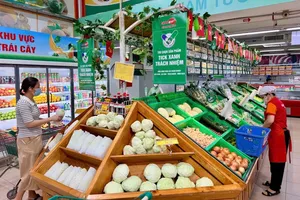
Regarding trade promotion and market expansion, the city aims to prioritize the consumption of local products. Specifically, this includes establishing regulations that require state agencies, schools, and hospitals to prioritize procurement from local cooperatives—particularly for OCOP-certified products—and implementing policies to attract businesses and investors to form sustainable joint-venture models with farmers and cooperatives.
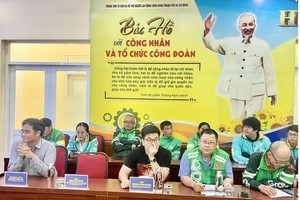
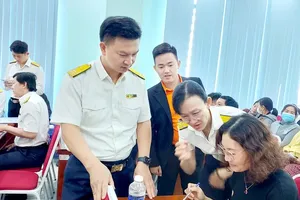
Truong Thanh Quang, Vice Chairman of the Ho Chi Minh City Farmers' Union, added that the union at all levels continues to foster an ecosystem that supports startup farmers, particularly in the agricultural sector, while continuing to effectively implement the "Farmers compete in good production and business, unite to help each other get rich" movement.