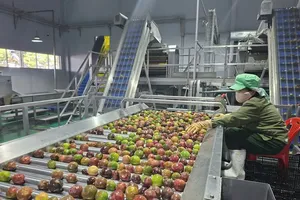
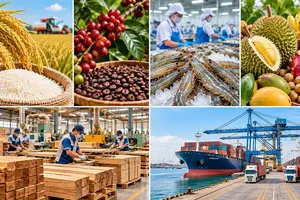
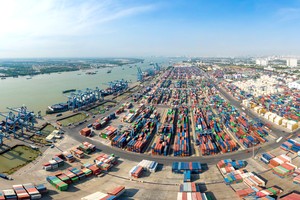
Vietnamese enterprises are stepping up efforts to meet higher standards as they seek to enter the global healthy food market, which is projected to reach over US$863 billion by 2026, while the functional food segment is expected to hit approximately US$342.9 billion. The market offers significant opportunities but comes with increasingly stringent requirements, ranging from food safety and labeling to traceability.
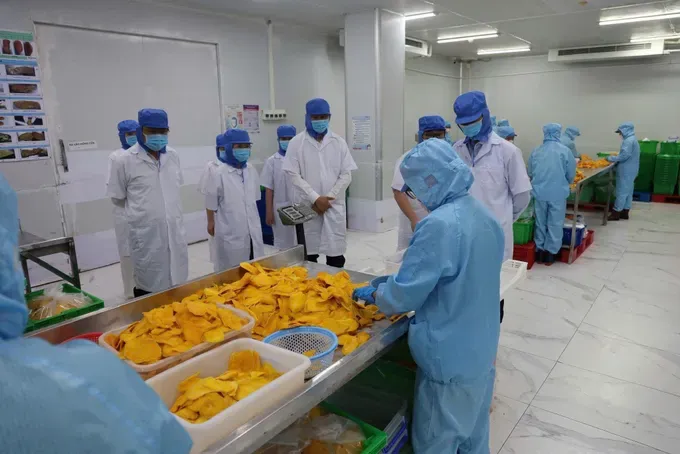
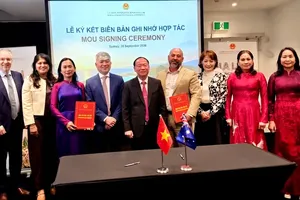
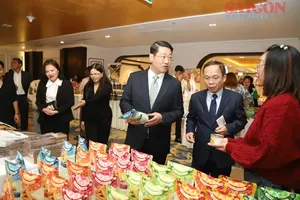
The Investment and Trade Promotion Center of Ho Chi Minh City (ITPC), in collaboration with Eurofins Sac Ky Hai Dang Company Limited, organized a seminar titled “Food Trends 2026: Health, Sustainability and Regulatory Compliance” on March 25, in Ho Chi Minh City, attracting numerous food industry businesses.
In her opening remarks, Ms. Ho Thi Quyen, Deputy Director of ITPC, noted that the food industry is undergoing a major transformation driven by three key pillars. These include health, sustainability and regulatory compliance.
Consumers are prioritizing health, transparency, and sustainability, a lasting shift that businesses must adapt to in order to stay competitive.
Information at the seminar revealed that the global healthy food market is projected to exceed US$863 billion by 2026, while the functional food segment is expected to reach around US$342.9 billion. While the potential is significant, it comes with increasingly stringent standards, ranging from food safety and labeling to traceability.
According to Ms. Nguyen Thi Phuong Vi, Head of Consulting at Eurofins Sac Ky Hai Dang Company Limited, global markets are tightening supply chain controls, imposing stricter standards on traceability, safety, and packaging. Businesses must shift from end-stage checks to full-chain risk management, or risk having shipments rejected.
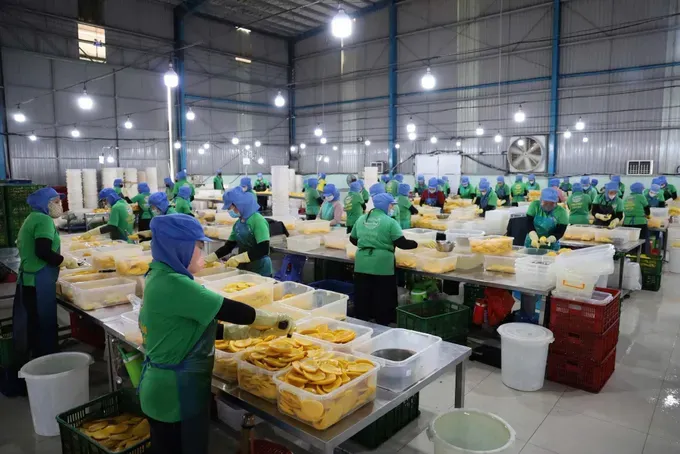
Alongside rising regulatory pressure, consumer preferences are shifting rapidly, opening up opportunities for “green, clean, and convenient” products. Drawing from business experience, Ms. Vo Thi Phi Phuong, Director of Vo Bao Joint Stock Company, said that entering markets such as the United States, Australia, and Singapore requires comprehensive preparation from quality and sustainability standards to legal compliance, packaging and product positioning. Moving from raw material exports to branded, processed, and convenient products is a pathway to higher value and broader market access.
Experts at the seminar said that as global standards tighten, Vietnamese enterprises must shift from capacity-driven production to models aligned with market standards and demand. Investment in technology, transparency and brand building will be key to deeper integration into global value chains.
Experts say that to access the global food market valued at hundreds of billions of dollars, Vietnamese firms must raise standards across both production and quality management. This is a prerequisite not only to sustain exports but also to gradually expand their presence and standing in the global market.