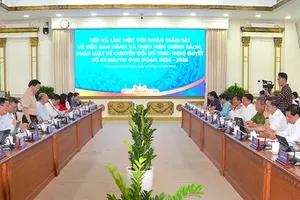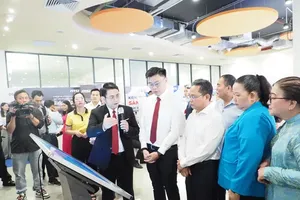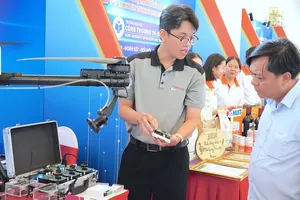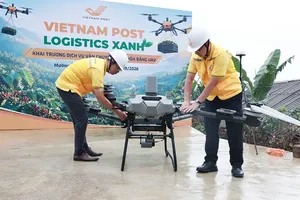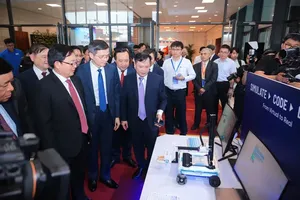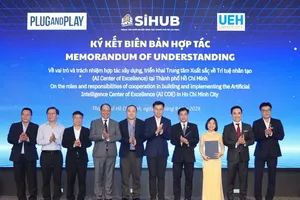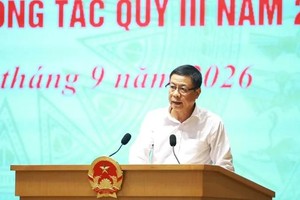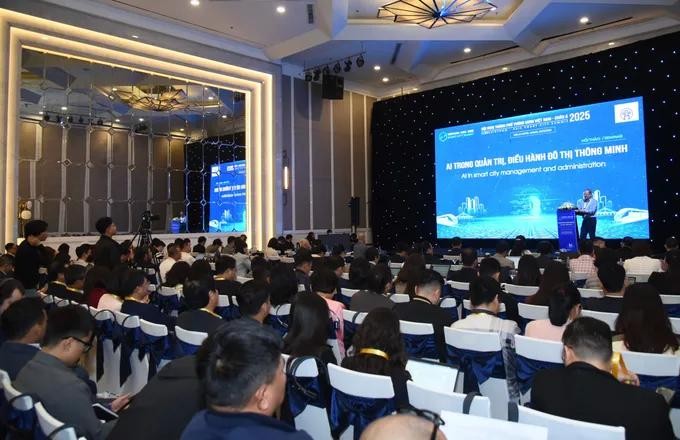
At the Vietnam–Asia Smart City Summit 2025 held in Hanoi, experts and leaders emphasized that smart city development must focus on sustainability, humanity, and practical solutions to urban bottlenecks rather than chasing short-term technological trends.
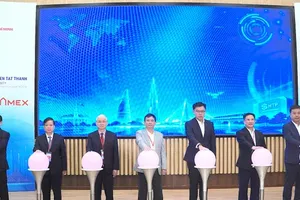
The Vietnam–Asia Smart City Summit 2025 took place in Hanoi, jointly organized by the Vietnam Software and IT Services Association (VINASA) and the Hanoi People’s Committee, under the patronage of the Ministry of Science and Technology.
The event gathered more than 1,500 delegates, including senior leaders from ministries and central agencies, representatives from 14 provinces and cities nationwide, and international delegations from 11 economies such as the United States, South Korea, and Singapore.
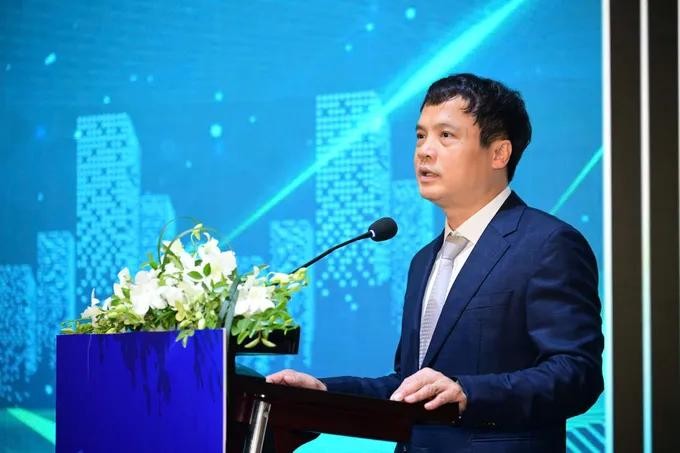
Nguyen Van Khoa, Chairman of VINASA, highlighted the inevitable evolution of cities from connected cities to cognitive towns. He explained that pioneering cities in the region have moved beyond passive Internet of Things (IoT) connectivity, adopting artificial intelligence as a true “operating system” capable of self-learning, adaptation, and decision-making.
The “Cognitive City” model leverages data and AI to proactively respond to citizens’ needs rather than reactively, aiming for 90 percent of urban data to be effectively utilized. According to Mr. Khoa, Vietnam’s Smart City initiatives should pursue genuine maturity becoming smarter, greener, and more human-centered.

At the summit, corporations such as Viettel, MobiFone, FPT, and VNPT announced strategies to develop GPU and Cloud AI infrastructure under the “Make in Vietnam” initiative, creating the “brain” for cognitive city operations. They also unveiled plans for Smart City 3.0 and introduced AI-driven solutions for traffic management, environmental monitoring, resource management, and proactive flood control.
Hoang Huu Hanh, Deputy Director General of the National Digital Transformation Agency under the Ministry of Science and Technology, affirmed that successful smart cities begin not with technology, but with institutional frameworks, data, and people. The Politburo's Resolution 57 has paved the way, and Decree 269/2025/ND-CP now provides a legal foundation to dismantle the “data silos” that have hindered progress. He urged localities to review all Smart City projects, shifting from trend-based investment toward addressing the most pressing urban issues in line with national data standards.
Sharing this viewpoint, Tran Ngoc Linh from the Urban Development Agency under the Ministry of Construction warned against separating technology from urban planning. He emphasized that a smart city should not be treated as an isolated “technology project” alongside urban planning, it must be embraced as the core methodology of modern urban development.
As part of the Vietnam–Asia Smart City Summit 2025, the Vietnam Smart City Award ceremony was held, recognizing outstanding achievements in urban innovation and digital transformation. After rigorous evaluation rounds, 18 awards were presented from 75 nominations, including 8 awards for urban areas and 10 awards for technology solutions.
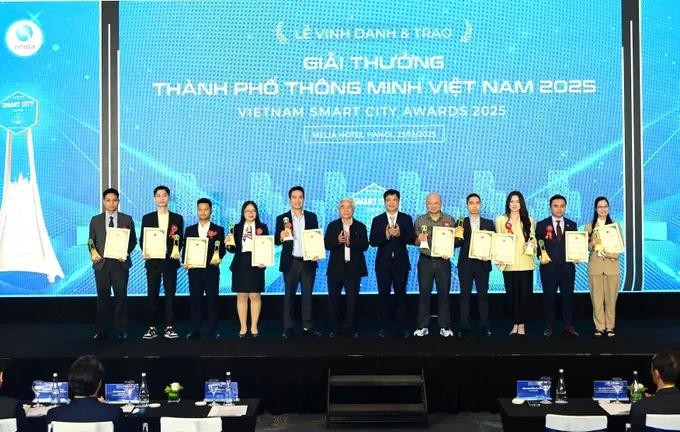
Da Nang continued its winning streak, receiving the Vietnam Smart City Award for the fifth consecutive year. Hanoi secured two honors: the award for Smart City Management and Administration, and the award for Attractive City for Innovation and Startups. Tay Ninh and Hue were also recognized for their comprehensive digital transformation initiatives and lean governance practices.
In the technology solutions category, leading Vietnamese enterprises showcased their innovation. Viettel, VNPT, and FPT were honored for infrastructure solutions, data platforms, and AI capabilities. Meey Group received recognition for its real estate technology ecosystem solution, Meey Map. Meanwhile, Asilla, Hunonic, and ROX Energy were awarded for pioneering AI security and green energy solutions.