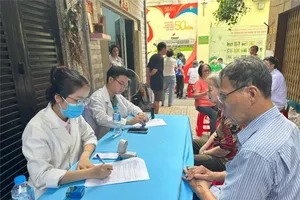
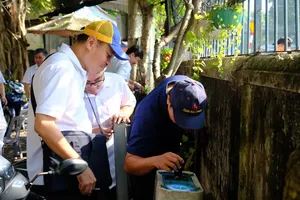
The draft revised Law on Food Safety proposes exempting street vendors, street food businesses, and certain small-scale traders from the requirement to obtain certificates confirming that their establishments meet food safety standards, while stepping up post-inspection measures.
Exemptions from administrative procedures, not food safety responsibilities
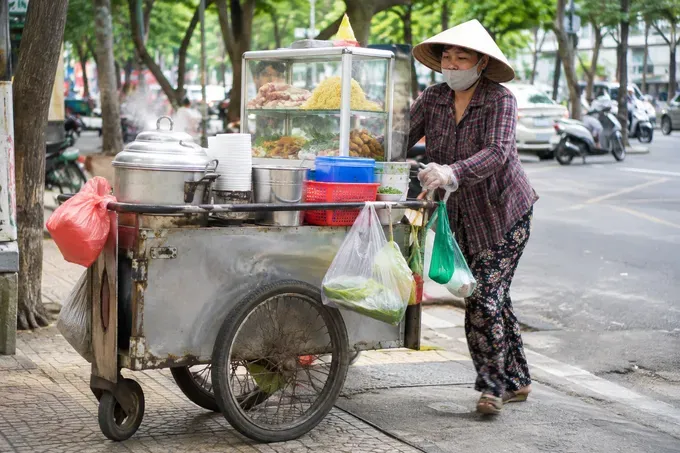
Dinh Thi Thu Thuy, Deputy Director of the Vietnam Food Administration under the Ministry of Health, said small-scale food businesses and street food vendors were widespread, serving daily consumer demand and forming an integral part of Vietnam's culinary culture. However, some vendors have yet to pay sufficient attention to ingredient selection, food preservation, utensil hygiene, and safety during food preparation and serving.
Therefore, amendments to the law should introduce regulations suited to the specific characteristics of small-scale businesses, rather than impose uniform requirements and procedures on them as on large-scale establishments. At the same time, regulatory oversight must not be relaxed.
Under the draft's proposed approach, small-scale food production and trading establishments, street vendors, and street food businesses would be exempt from the requirement to obtain certificates confirming that their establishments meet food safety standards. Food products prepared by small-scale establishments and street food businesses would also be exempt from product declaration registration and product standards declaration requirements.
The proposal aims to reduce administrative procedures that are not genuinely suited to the operating characteristics of small-scale businesses. However, exemption from certain licensing requirements does not mean exemption from the responsibility to ensure food safety.
Specifically, these establishments would still have to meet minimum requirements, including using water that meets domestic clean water standards; operating at locations that comply with principles for preventing food contamination; using ingredients with traceable origins; and ensuring that food handlers and vendors comply with hygiene regulations throughout their business operations.
The draft aims to reduce procedural requirements at the pre-inspection stage without lowering the fundamental food safety standards that must be maintained.
Tightening ingredient traceability and clarifying vendors' responsibilities

One of the major challenges in managing street food safety is determining the origin of ingredients, particularly as vendors often purchase supplies in small quantities from traditional markets. To address this issue, the draft law proposes requiring businesses to retain information on ingredient origins through invoices, receipts, written records, or other appropriate means.
According to Ms. Dinh Thi Thu Thuy, a simple logbook recording where ingredients were purchased, the purchase date, the types of food, and the suppliers could serve as useful evidence for traceability when necessary. This approach is suited to the circumstances of small-scale businesses while providing authorities with information for post-inspection when incidents occur. Vendors must exercise control over incoming ingredients and refrain from choosing food of unclear origin or substandard quality simply because it is cheaper.
Responsibility does not rest solely with the final vendors. According to a representative of the Vietnam Food Administration, ingredient suppliers must also bear joint responsibility when food safety incidents occur through traceability and post-inspection mechanisms.
The draft also proposes requiring small-scale food businesses to notify commune-level People's Committees of their personal information and business locations and sign commitments to ensure food safety. With information about vendors and their operating locations, local authorities will be better positioned to conduct inspections, monitor compliance, and provide guidance on relevant regulations. In the event of a food safety incident, authorities will also have a basis for identifying the parties involved, tracing ingredient origins, taking enforcement action, and requiring remedial measures.
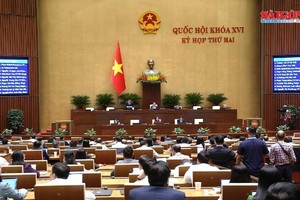
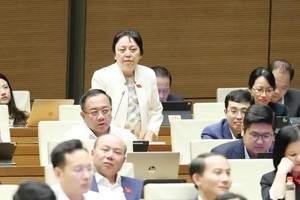
Responding to lawmakers' comments during a National Assembly debate on the afternoon of November 11, Minister of Health Dao Hong Lan emphasized that exempting small-scale food producers and street food vendors from administrative procedures did not mean relaxing regulatory oversight. Instead, such exemptions must go hand in hand with local authorities' supervisory responsibilities.
Given the nature of small-scale businesses, which are dispersed and frequently change locations, inspections should focus on food preparation and storage conditions, ingredient origins, and establishments posing particularly high risks. Local authorities should strengthen guidance and supervision while promptly detecting and handling violations.