Crushing pressure forges medical fortitude
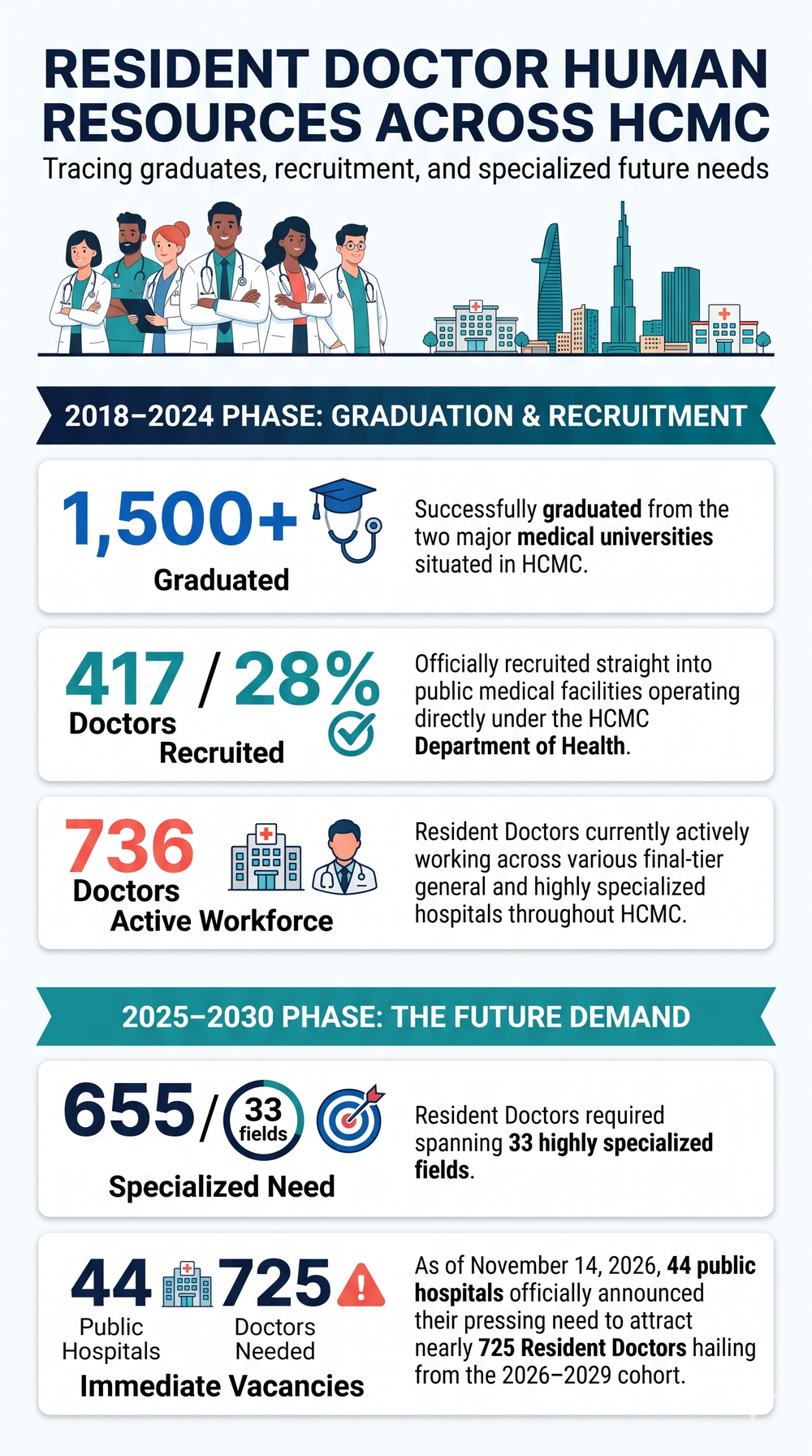
Across HCMC, three primary training institutions purportedly churn out Resident Doctors, namely University of Medicine and Pharmacy at HCMC, Pham Ngoc Thach University of Medicine, and University of Health Sciences (Vietnam National University – HCMC).
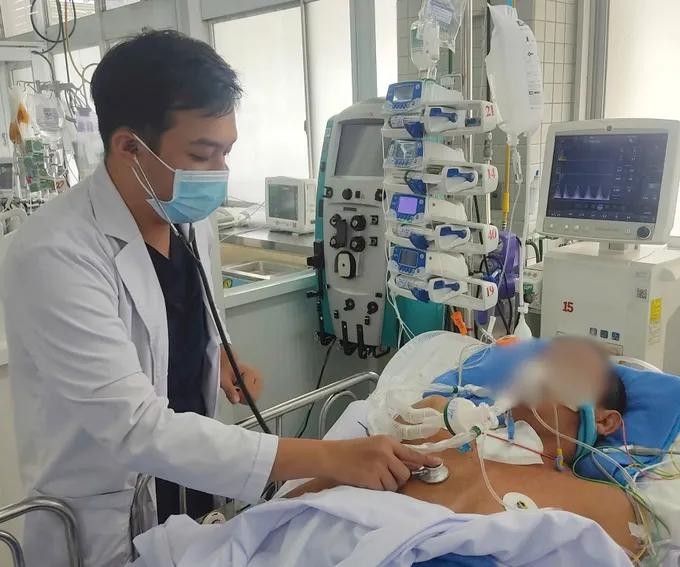
“Becoming a Resident Doctor was my ultimate dream,” MD Phan Diep Gia Huy recounted after defending his thesis this past September 2026. Securing a coveted spot in emergency resuscitation, his grueling residency tethered him closely to Cho Ray Hospital for three consecutive years.
Emergency resuscitation constantly struggles to attract sufficient human resources. At Cho Ray Hospital, essentially transferring his stay into the hospital’s grueling wards, Gia Huy frantically juggled theoretical studies, brutal clinical practice, and exhausting night shifts.
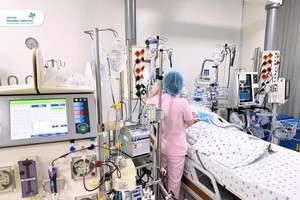
He vividly remembers a remarkably tragic case involving a woman suffering from septic shock and cascading multi-organ failure. She required intensive care, yet her financially strapped family could only afford five days of medical expenses. They desperately hunted for benefactors while the medical crew carefully performed dialysis.
“After four agonizingly long days, the patient’s condition miraculously exhibited robust improvement,” MD Gia Huy observed. She was transferred to a standard ward, sparing her relieved family from prematurely terminating treatment.
Stemming from that profound experience, he fundamentally grasped that the livelihood of an entire family trails closely behind every single patient. A genuinely compassionate physician must intuitively empathize with families teetering precariously on the razor’s edge between life and death.
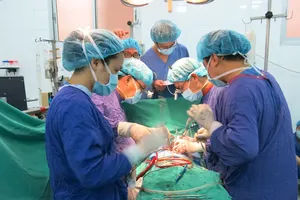
Also forged within this crucible, Nguyen Hoang Binh, MD PhD, Head of Thoracic Surgery at Cho Ray Hospital, nostalgically reminisced about his impassioned youth. Roughly thirty years ago, he triumphantly passed the grueling entrance exam for thoracic surgery.
On his very first day, the Head Doctor jokingly warned him they’d essentially live with the mindset of medical slaves. It merely took a single punishing week of executing complex procedures and handling frantic emergencies to profoundly absorb that prophetic statement.
However, witnessing his mentors’ masterful hands merely fueled his burning desire to evolve into a skilled surgeon. Although scholarships inherently helped alleviate crushing expenses, he devoted his entire waking existence strictly to studying. Every era possesses unique differences, but the notoriously grueling trajectory of a Resident Doctor forever retains an exceptionally special value.
Exceptionally rigorous screening protocols
Following six demanding years of medical education, freshly graduated doctors aren’t legally qualified to practice independently. They can undertake 12 months of practical training, pursue a master’s degree, or brave the competitive residency exam to endure another three years of intense training.
The residency program unequivocally remains a highly bespoke regimen. Upon successfully graduating, a Resident Doctor is proudly awarded three distinct degrees: a Resident Doctor diploma, a Level-I Specialist Doctor diploma, and a Master of Medicine degree.
While former classmates confidently enter the workforce, these residents must frustratingly rely on family support for another three years. Some hospitals attempt to alleviate this burden with a modest stipend of VND3,000,000 (US$116) per month. Opting to become a Resident Doctor inherently demands colossal personal sacrifice.
In 2026, University of Medicine and Pharmacy at HCMC boldly integrated formal interviews into its admissions process. Assoc Prof Vuong Thi Ngoc Lan, MD PhD, its President, noted these rigorous interviews effectively evaluate candidates’ communication skills and career orientation. This year, the university boasts 316 admitted full-time Resident Doctors.
Over at Pham Ngoc Thach University of Medicine, candidates are strictly required to officially register their desired specialty immediately. In 2026, a staggering 437 candidates registered for 181 spots, driving the competition ratio up to roughly 3.3.
Crucially, highly coveted specialties like Internal Medicine commanded fierce competition ratios, whereas Infectious Diseases shockingly struggled to attract candidates. This glaring disparity is, according to Assoc Prof Tran Thi Khanh Tuong, Level-II Specialist PhD, likely inextricably linked to future employment opportunities, grueling on-call pressures, and career advancement prospects.
Deputy Director of Ba Ria General Hospital Pham Huu Doan, MD PhD, astutely assessed that the typical brilliance of Resident Doctors lies within their exceptionally rigorous training. When confronting complex cases, the learner must carefully debate diagnoses and keenly identify potential risks. The stellar quality of Resident Doctors is fundamentally forged from the unbreakable bond linking academic institutions with practical training hospitals.
As informed by Chau Phu Thi, MD PhD, Head of the Human Resources Department at Cho Ray Hospital, over the past five years, the hospital has supposedly participated in training over 200 Resident Doctors annually. Operating within a premier, top-tier medical environment unequivocally helps these trainees drastically sharpen their situational handling skills, execute seamless inter-specialty coordination, rigorously adhere to strict protocols, and cultivate a highly professional demeanor.
However, in order to effectively utilize and successfully retain this elite human resource pool within the public healthcare sector, numerous other supporting conditions are still desperately needed.
The Ministry of Health is currently drafting a circular governing specialized postgraduate training within the healthcare sector, boldly proposing two distinct modalities of Resident Doctor training (tailored specifically for freshly graduated doctors) and Specialist training (designed for doctors already possessing a valid medical practice license).
The draft proposes evaluating practical competence strictly following the completion of their first academic year; any trainee who fails two consecutive grueling assessments could potentially face mandatory expulsion from the program.
This training model is expected to entirely eliminate the separate classification currently utilized for Level-I Specialist and Level-II Specialist degrees. This circular is slated to officially take effect on January 1, 2027.