Mounting demand
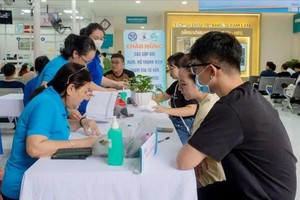
For Mr. Nguyen Thanh Hai, a resident in his seventies living in Bay Hien Ward of HCMC, routine checkups and picking up chronic illness prescriptions at Thong Nhat Hospital have become a frequent ordeal. Advanced age and limited mobility turn every hospital visit into a source of genuine anxiety, forcing him to rely on his children and grandchildren for rides and disrupting the family’s work schedules.
“Everyone deals with health issues in old age, yet what I dread most is being a bother to my kids and grandkids,” Mr. Hai shared. “If we could receive periodic health screenings, condition monitoring, and medication guidance right in our neighborhoods, it’d be vastly more convenient. Seniors like us simply hope to live healthily, look after ourselves, and avoid becoming a burden on our families.”
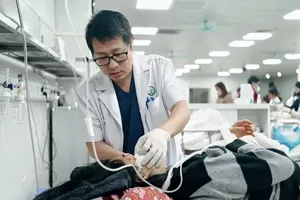
According to Deputy Director of the HCMC Department of Health Huynh Minh Chin, MD PhD, amid an increasingly hectic urban pace of life, numerous older adults live alone or lack regular caregivers, fueling an escalating need for home-based and community healthcare. This shift demands a pivot away from hospital-centered disease treatment toward continuous health management, smoothly weaving together grassroots healthcare, families, and local communities.
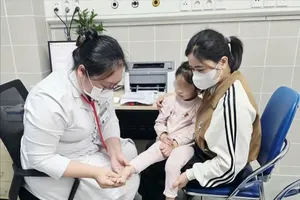
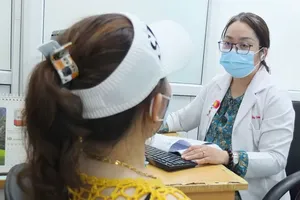
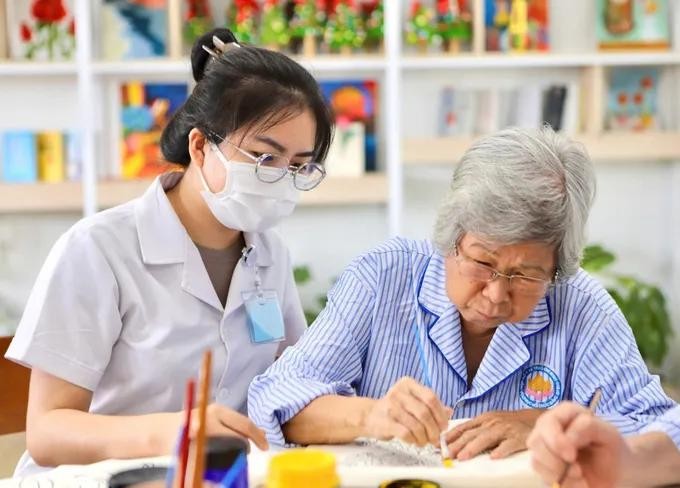
Over the past period, HCMC has deployed a variety of senior care models, ranging from routine health checkups and chronic disease management to home care, rehabilitation, and community wellness clubs.
“Elderly care must aim for comprehensive coverage, ranging from disease prevention, treatment, and rehabilitation straight through to mental well-being, in order to help them live healthily, stay joyful, and ease their dependence on family,” Deputy Director Huynh Minh Chin explained.
According to the Ministry of Health, Vietnam is currently home to approximately 16.5 million older adults, accounting for 16 percent of the total population. By 2036, the nation is projected to officially enter the aged population stage, and by 2050, seniors could make up as much as 25 percent of the population, meaning one in every four citizens will be an older adult.
Facing this demographic reality, the Ministry of Health has recently issued a senior healthcare plan running through 2030, focusing squarely on upgrading grassroots medical capacity alongside organizing periodic checkups, screenings, and chronic illness management.
Harnessing resources to propel silver economy
At a recent policy conference (jointly organized by the Central Policy and Strategy Commission, the Ho Chi Minh National Academy of Politics, the Government Office, the Central Theoretical Council, the Communist Review, the National Assembly's Committee on Economic and Financial Affairs, and the Vietnam Association of the Elderly) on developing the silver economy ecosystem, including the production and supply of goods, services, and economic contributions revolving around older adults, typically aged 50 or 60 and above, HCMC People’s Committee Vice Chairman Nguyen Manh Cuong revealed that the city currently counts over 1.5 million residents aged 60 and older.
Population aging doesn’t merely heighten demand for healthcare and social security; it also unlocks a golden opportunity to tap into the intellectual capital, seasoned experience, and labor capacity of senior citizens.
Lately, HCMC has broadened its senior welfare policies, offering complimentary bus and metro passes alongside free health screenings, while concurrently drafting a project to build out the elderly healthcare system for the 2026-2030 period with a vision toward 2045.
The city aims to forge a silver economy ecosystem anchored in specialized healthcare, technology, urban infrastructure, finance, and care services, steadily evolving into the nation’s premier silver economy hub.
According to Vice Chairman Nguyen Manh Cuong, HCMC will prioritize expanding home care, daytime care, rehabilitation facilities, and retirement communities equipped with on-site medical services, while mobilizing social resources, especially from the private sector, through public-private partnerships.
“The true yardstick of a successful silver economy is ensuring older adults receive better care, live safely and healthily, access tailored services, and enjoy the right conditions to keep contributing to society,” Vice Chairman Nguyen Manh Cuong emphasized.
In Deputy Director Huynh Minh Chin’s view, unlocking the potential of older adults carries profound significance. It’s a precious resource that needs to be awakened and nurtured, simultaneously fulfilling seniors’ desire to keep contributing to society while generating tangible wealth and easing pressures on families and community alike.
Minister of Health Dao Hong Lan stated that her ministry tentatively expects to submit amendments to the Law on the Elderly to the Government in late 2027 or early 2028 to institutionalize silver economy development policies. At present, expanding the senior care network still runs into stubborn snags concerning land access and capital.
Should these land and funding bottlenecks be cleared alongside suitable support mechanisms, enterprises will be well-positioned to leverage their strengths in crafting products and services tailored to seniors' needs.
)