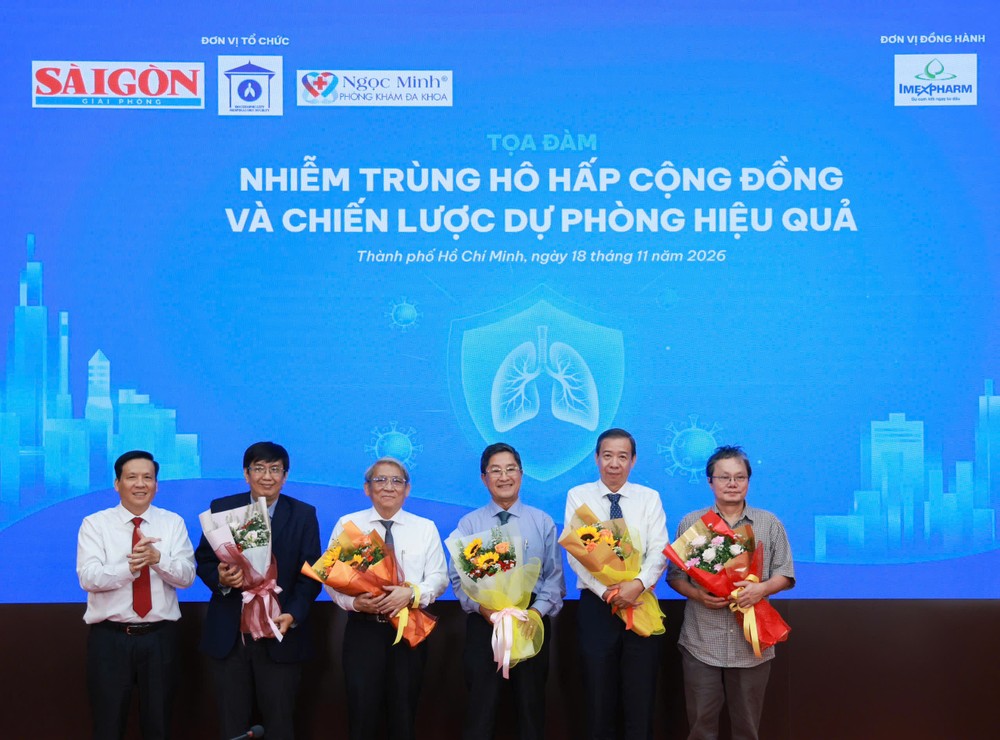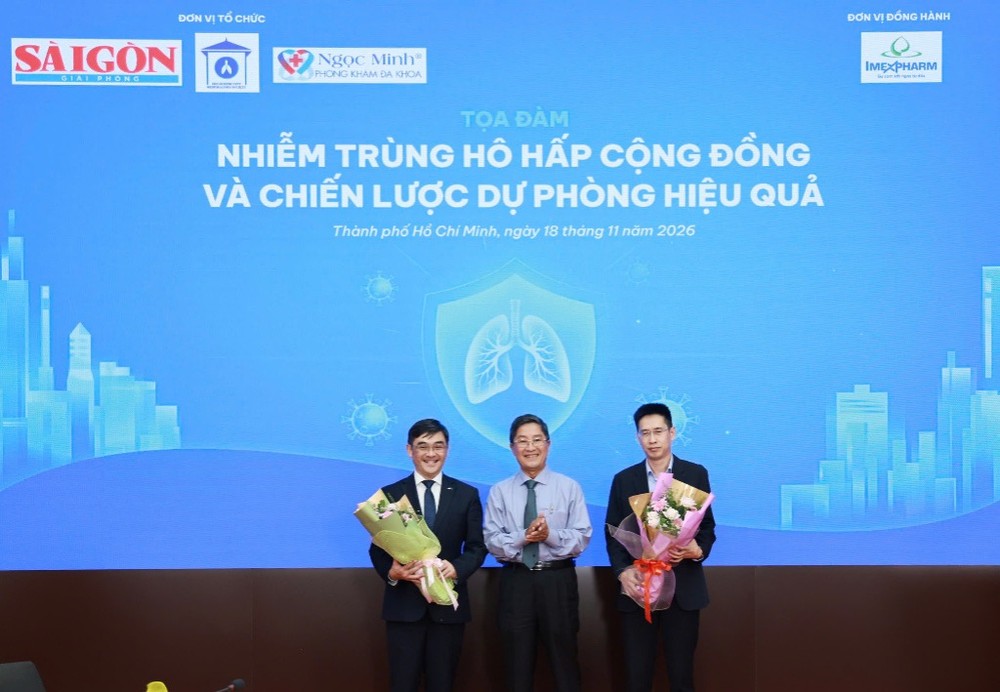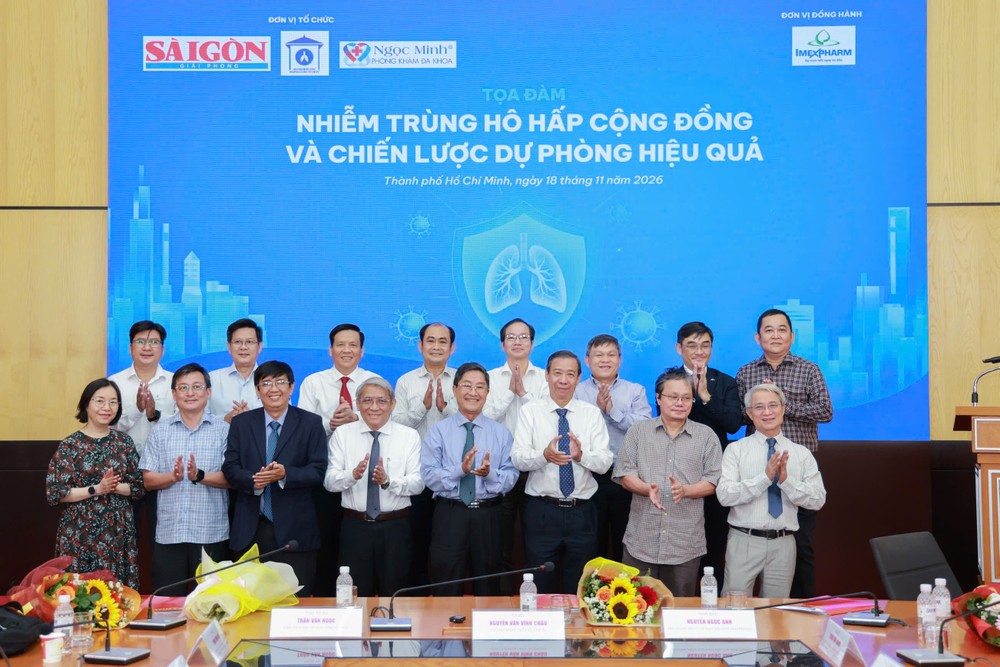
The forum, titled "Community-Acquired Respiratory Infections and Effective Prevention Strategies," focused on ways to reduce the disease burden, curb antimicrobial resistance, and develop more effective strategies to protect public health.
In his opening remarks, journalist Nguyen Ngoc Anh, Deputy Editor-in-Chief of Sai Gon Giai Phong Newspaper, stressed that respiratory infections remain among the leading causes of death worldwide. As Vietnam's population ages, older adults with chronic conditions, including cardiovascular disease, diabetes, asthma, and chronic obstructive pulmonary disease (COPD), face particularly high risks.

Meanwhile, the widespread practice of taking antibiotics without medical advice is accelerating antimicrobial resistance, posing a serious challenge to the healthcare system.
Emphasizing that prevention is better than treatment, journalist Nguyen Ngoc Anh said the forum was expected to put forward practical recommendations for policymakers and healthcare providers.
Preventive healthcare must take priority
Dr. Nguyen Van Vinh Chau, Deputy Director of the Ho Chi Minh City Department of Health, said the forum came at a critical time, coinciding with the seasonal transition and World Antimicrobial Awareness Week, observed from November 18 to 24.

With its high population density and extensive commercial and travel connections, Ho Chi Minh City faces significant challenges in controlling infectious diseases. Toward the end of the year, influenza viruses, respiratory syncytial virus (RSV), and pneumococcal bacteria typically become more prevalent.
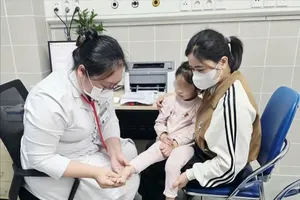
Although many infections initially present with mild symptoms, they can progress to severe pneumonia and respiratory failure, particularly among children under five, older adults, and people with underlying health conditions.
The unnecessary use of antibiotics to treat viral infections, against which these drugs are ineffective, is also creating conditions for multidrug-resistant bacteria to emerge and spread.
In response, the municipal health department has identified four key priorities.
First, it will strengthen disease surveillance and early warning systems, shifting from a reactive approach to proactive forecasting. This includes improving surveillance of influenza-like illnesses and severe pneumonia through closer data sharing among the Ho Chi Minh City Center for Disease Control (HCDC), the Pasteur Institute, and hospitals, enabling authorities to respond promptly to emerging threats.
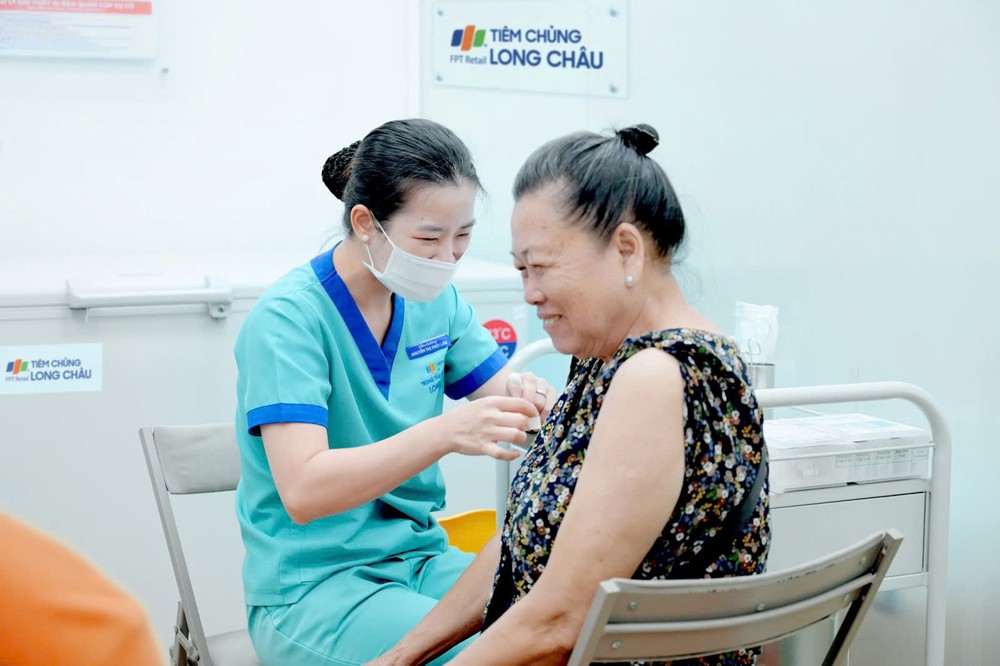
Second, the city will promote vaccination throughout life, prioritizing access to vaccines against influenza, pneumococcal disease, pertussis, and RSV for high-risk groups. Wider vaccination coverage is expected to reduce hospitalizations and, indirectly, the demand for antibiotics.
Third, the department will tighten antibiotic stewardship through electronic prescriptions, interconnected prescription databases, and stricter controls on antibiotic sales at pharmacies.
Finally, public communication campaigns will seek to change health-related behaviors by helping people recognize warning signs of worsening illness, take medication only when prescribed, and avoid reusing old prescriptions.

Rising disease burden and antimicrobial resistance
Discussing the health burden of respiratory infections, Associate Professor Dr. Tran Van Ngoc, Chairman of the Ho Chi Minh City Respiratory Society, cited a 2022 study published in The Lancet estimating that lower respiratory infections were associated with approximately 4 million deaths worldwide in 2019.

Of particular concern, RSV infection increases the risk of hospitalization by six to ten times among people with COPD aged 50-64. Older adults with underlying conditions face up to 11.6 times the hospitalization risk of otherwise healthy individuals, according to research cited at the forum.
Such cases often require prolonged treatment and incur substantial medical costs.

Associate Professor Dr. Tran Van Ngoc stressed the importance of identifying the causative pathogen and accurately assessing disease severity to ensure that antibiotics are prescribed promptly when bacterial infections warrant treatment, at the appropriate dosage and for the recommended duration.
He also described vaccination against influenza, pneumococcal disease and RSV as essential preventive measures.
Early identification of respiratory pathogens
Dr. Pham Hung Van, representing the Ho Chi Minh City Society for Clinical Microbiology, presented findings from a study involving 15,936 patients with respiratory infections between 2020 and 2024.

The study found that viruses accounted for 31.88 percent of cases. Rhinovirus was the most frequently detected virus, representing 20.63 percent, followed by influenza A at 16.77 percent and RSV at 16.51 percent.
Among bacterial pathogens, Streptococcus pneumoniae, commonly known as pneumococcus, and Haemophilus influenzae were the most prevalent. However, both are showing declining susceptibility to antibiotics.
Particularly alarming is antimicrobial resistance among Gram-negative bacteria. The prevalence of carbapenemase-producing strains, which produce enzymes that inactivate carbapenem antibiotics, reached 60.93 percent for Acinetobacter baumannii, 49.37 percent for Klebsiella pneumoniae, and 38.06 percent for Pseudomonas aeruginosa.
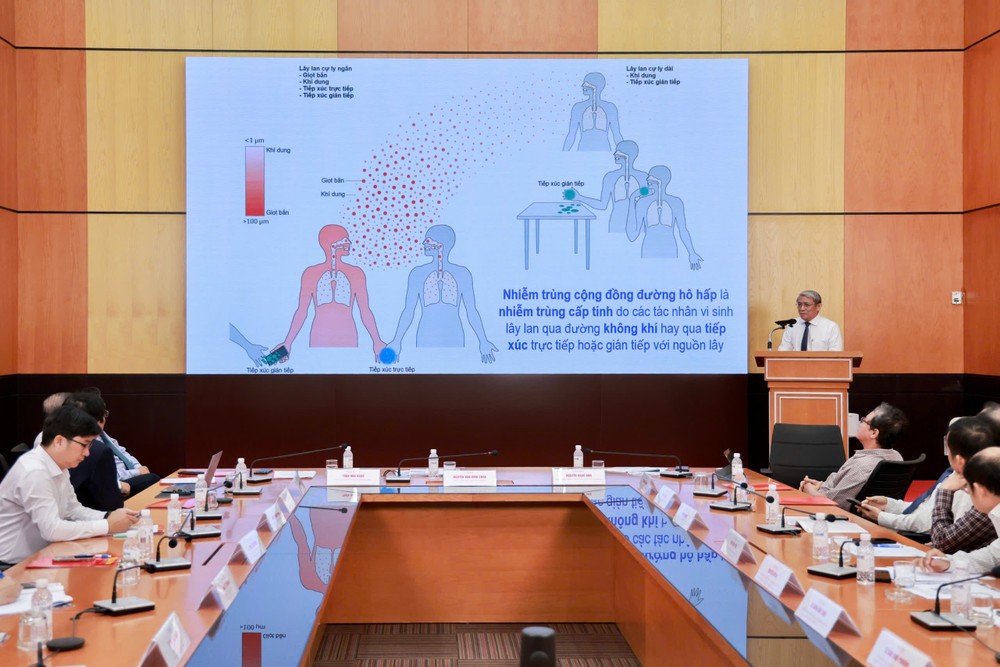
To address the problem, Dr. Pham Hung Van recommended wider use of molecular diagnostic techniques, particularly multiplex real-time polymerase chain reaction (PCR), to identify pathogens rapidly and accurately.
Early identification would help physicians select appropriate treatment regimens, particularly for critically ill patients, improving their chances of survival.
Vaccination reduces the risk of severe illness
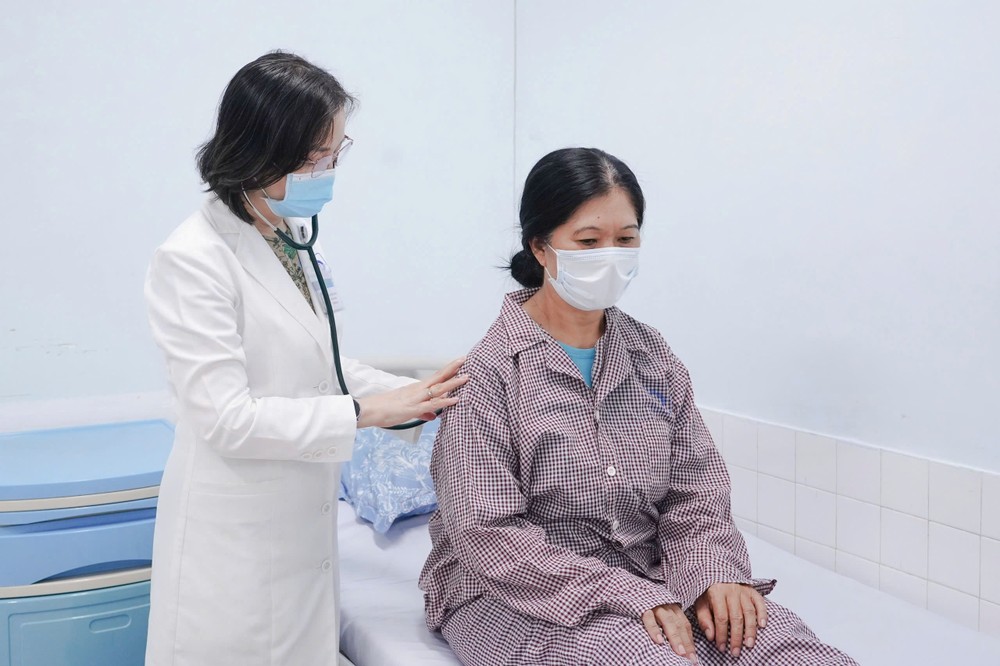
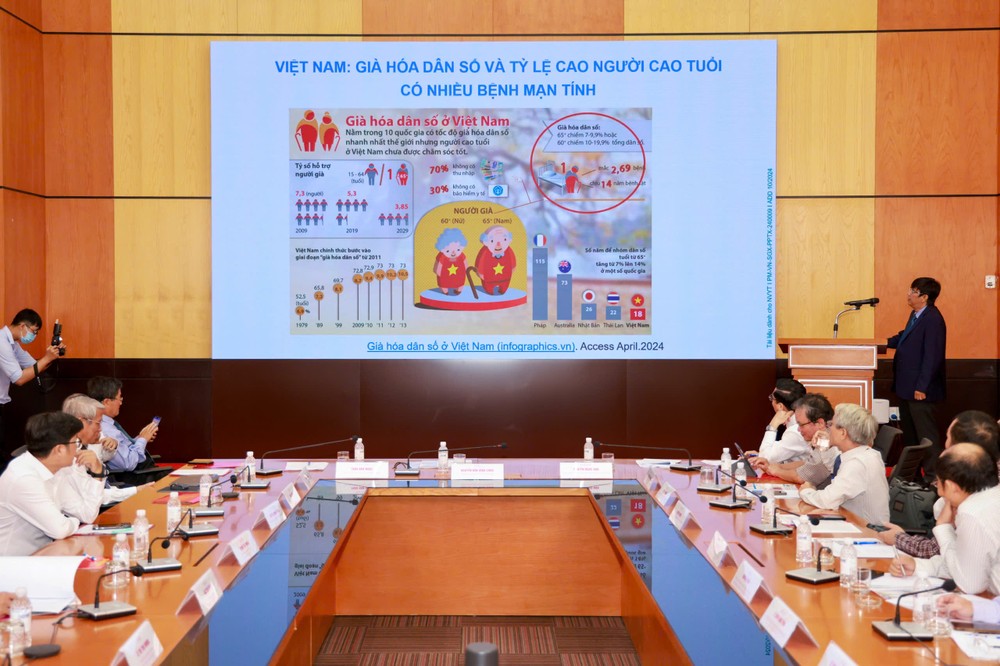
MSc Dr. Cao Xuan Minh, CEO of Ngoc Minh General Clinic, explained that aging weakens the immune system and reduces lung function, leaving older adults more vulnerable to respiratory and cardiovascular complications from infections.

Although RSV is commonly associated with young children, it also places a substantial burden on older people.
Research has demonstrated significant benefits from vaccination. The RSVpreF vaccine has been shown to reduce the risk of hospitalization due to lower respiratory tract disease by 91.7 percent and RSV-related cardiorespiratory events by 84.2 percent.
Influenza and pneumococcal vaccines are also strongly recommended, particularly for people with underlying cardiovascular disease or diabetes, he said.
Curbing the misuse of antibiotics
Experts at the forum repeatedly warned against the indiscriminate use of antibiotics.
Dr. Le Thi Thu Huong of Gia Dinh People's Hospital said many people routinely purchase antibiotics on their own when experiencing coughing or fever.

If similar symptoms spread among family members, the infection is likely viral, in which case antibiotics offer no benefit.
Because viral and bacterial infections can produce similar symptoms, patients should undergo medical examinations and appropriate diagnostic tests before treatment is prescribed, she said.
Dr. Truong Huu Khanh of the Ho Chi Minh City Infectious Diseases Association called for better training for pharmacy staff so they can recognize warning signs and advise customers to seek medical attention rather than selling antibiotics without proper assessment.

Healthcare professionals must also address inappropriate prescribing practices in outpatient settings and lead by example by getting vaccinated, he added.
From a clinical perspective, Dr. Nguyen Dung of the University Medical Center Ho Chi Minh City said his outpatient clinic receives approximately 150 visits a day.

Many patients experience persistent coughing after influenza A infection but show no signs of bacterial infection. In such cases, antibiotics are unnecessary.
Dr. Nguyen Dung recommended rapid influenza testing to support diagnosis and called for measures to make vaccines more accessible, noting that their current cost remains a barrier for many people.
Dr. Ngo The Hoang of Thong Nhat Hospital added that medication choices must be based on each patient's specific condition and follow established treatment guidelines.

Addressing the problem of indiscriminate drug purchases and sales, Dr. Nguyen Van Vinh Chau said the municipal health department was strengthening the capacity of local health stations to make medical services more accessible and developing electronic health records for residents.

The department is also tightening the implementation of electronic prescription systems and improving data connectivity across the pharmaceutical supply chain. As of November 17, a total of 6,101 retail pharmacies and 754 pharmaceutical wholesalers had been issued accounts for the system.
Pharmacists must become genuine gatekeepers of public health, helping ensure that patients receive appropriate guidance and medication rather than facilitating the misuse of antibiotics, he said.

Raising public awareness
Dr. Vo Duc Chien, Director of Nguyen Tri Phuong Hospital, proposed modernizing public health communications through short videos of one to two minutes featuring real-life scenarios. Distributed on platforms such as Facebook and TikTok, the videos could highlight the dangers of delaying medical care and taking medication without professional advice.

On pharmaceutical quality, Dr. Le Van Nha Phuong of Imexpharm Pharmaceutical Joint Stock Company emphasized that substandard medicines directly contribute to rising antimicrobial resistance.

Pharmaceutical manufacturers should invest in advanced production technologies and the development of new antibiotics, while regulators should prioritize drug safety and efficacy over price alone, he said.
Dr. Nguyen Huan of HCDC stressed that vaccination campaigns must be continuous and shift the view of immunization from a childhood measure to lifelong protection.

He also called for the removal of procurement obstacles in the public healthcare system to ensure a reliable vaccine supply. Vaccination counseling should be incorporated into routine follow-up visits and consultations before patients are discharged from hospitals, he added.
Concluding the forum, journalist Nguyen Ngoc Anh reaffirmed Sai Gon Giai Phong Newspaper's commitment to working alongside the healthcare sector and using its media platforms to disseminate reliable medical information, encourage proactive disease prevention, and contribute to protecting public health.