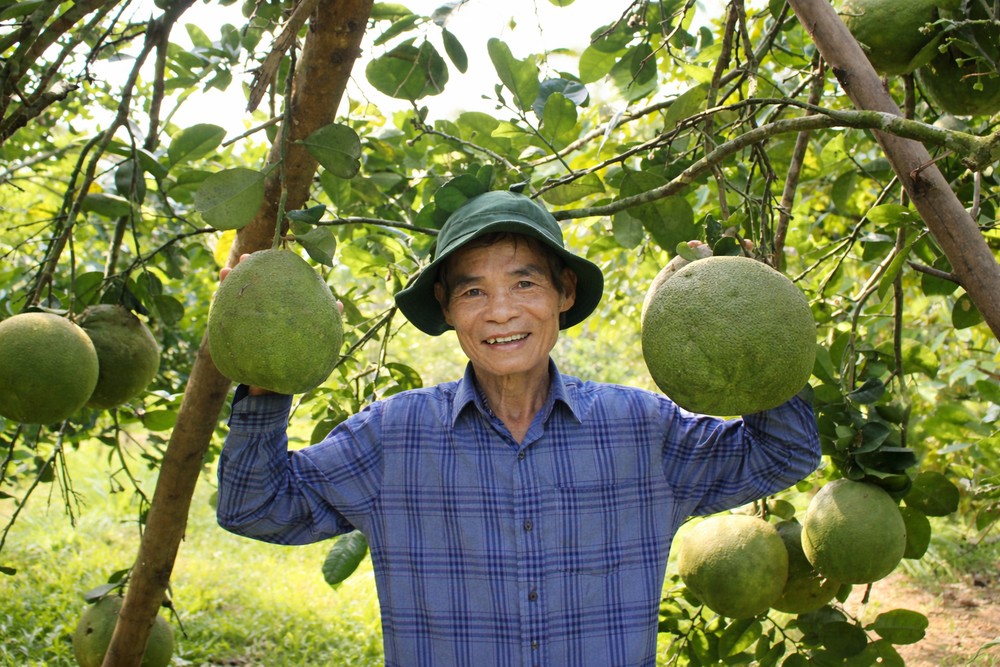
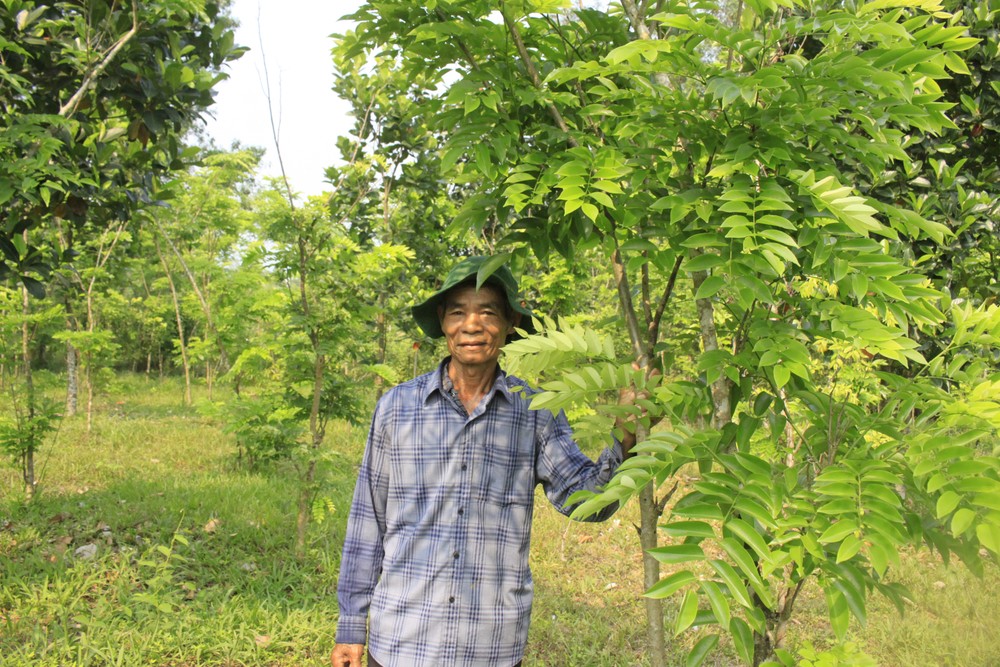
Carrying shrapnel wounds from wartime, veteran Nguyen Van Nam, 68, in Tan Lap Hamlet, Phuoc Giang Commune, Quang Ngai Province, has built a thriving 16,000-square-meter orchard of diverse fruit trees, generating a net annual income of more than VND100 million (US$4,000).
From barren land to a green mosaic
After nearly 14 years devoted to farming, the man has transformed his land into a lush, multi-layered orchard where a wide variety of fruit trees coexist. The garden has now reached a stable stage of development, delivering consistent yields year-round.
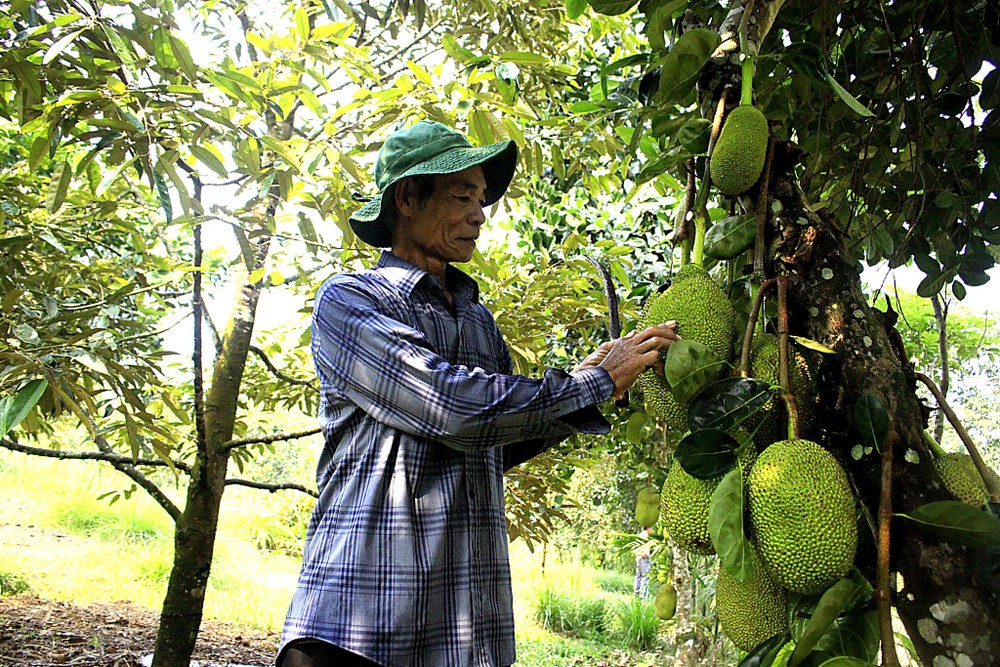
His orchard hosts 90 durian trees producing 100–200 kilograms of fruit per tree each year; 30 rambutan trees yielding around 50 kilograms each; 30 pomelo trees with outputs of 60–70 kilograms per tree; more than 100 jackfruit trees; over 300 areca palms producing about 10 kilograms per harvest; and hundreds of lime, dragon fruit, and mandarin trees.
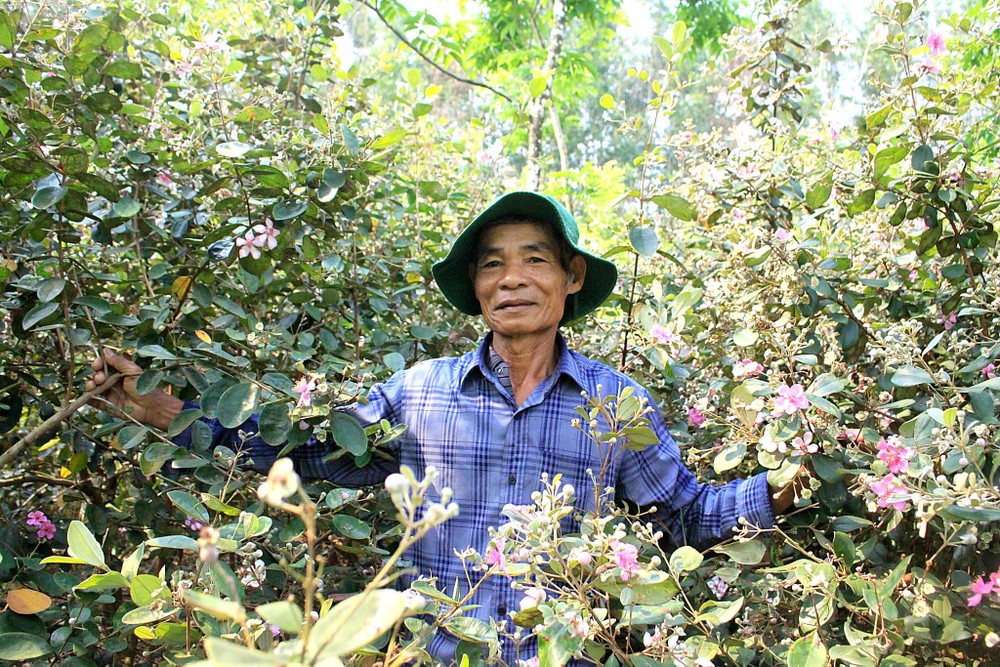
Amid this dense canopy, more than 150 myrtle trees stand out with their distinctive purple blooms. “This used to be a hill of wild myrtle and tea plants,” he recalled. “When I began farming, I decided to preserve the old myrtle roots while rehabilitating the soil. Now the trees grow over two meters tall with wide canopies. During the flowering season, visitors are often surprised by their size.”
The transformation of the 16,000-square-meter plot required years of painstaking effort—soil improvement, careful selection of plant varieties, and continuous learning of cultivation techniques. Despite the lingering pain from shrapnel lodged in his left wrist and leg, which flares up in bad weather, Mr. Nam has remained steadfast in tending his orchard.
Notably, he has also planted 1,700 yellow rosewood (Dalbergia tonkinensis) trees, now five years old—a rare and highly valuable timber species. He is among the first farmers in Phuoc Giang Commune to shift from acacia cultivation to this high-value crop.
A life rooted in memory
Beyond his agricultural pursuits, Nguyen Van Nam dedicates time each morning to cleaning and maintaining a memorial stele located at the entrance to his home. The site once served as a base for the Hanh Dung Commune task force during the resistance war against the United States. For Mr. Nam, it is not merely a historical marker but a repository of deeply personal memories.
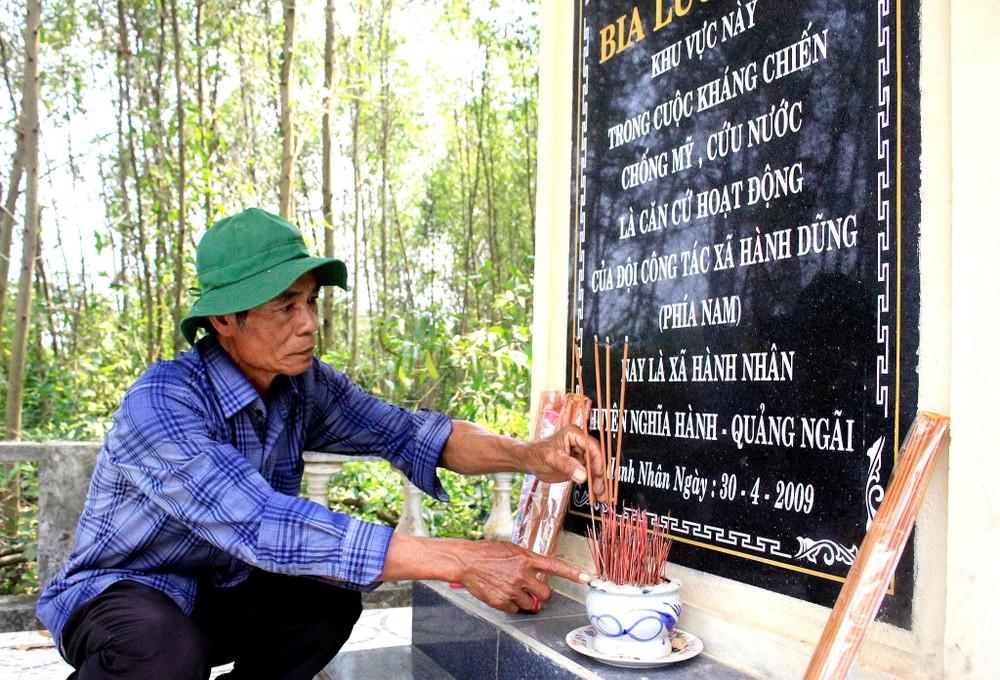
In 1973, at the age of 14, he joined the Hanh Dung task force as a courier. Although the unit was once large, only seven members survived after 1975.
In April 1974, during an enemy sweep in the Dong Mieu area—then a key base area—Veteran Nguyen Van Nam stepped on a landmine and suffered severe injuries. He was evacuated by his comrades for emergency treatment and later transferred to higher-level care. Decades on, fragments remain embedded in his body.
After returning home, he resumed his studies through a continuing education program. However, in 1980, while he was in grade 10, his father passed away, forcing him to abandon his education and take up farming.
Over the years, he has earned the trust of local residents and held multiple community roles from 2003 to 2025.
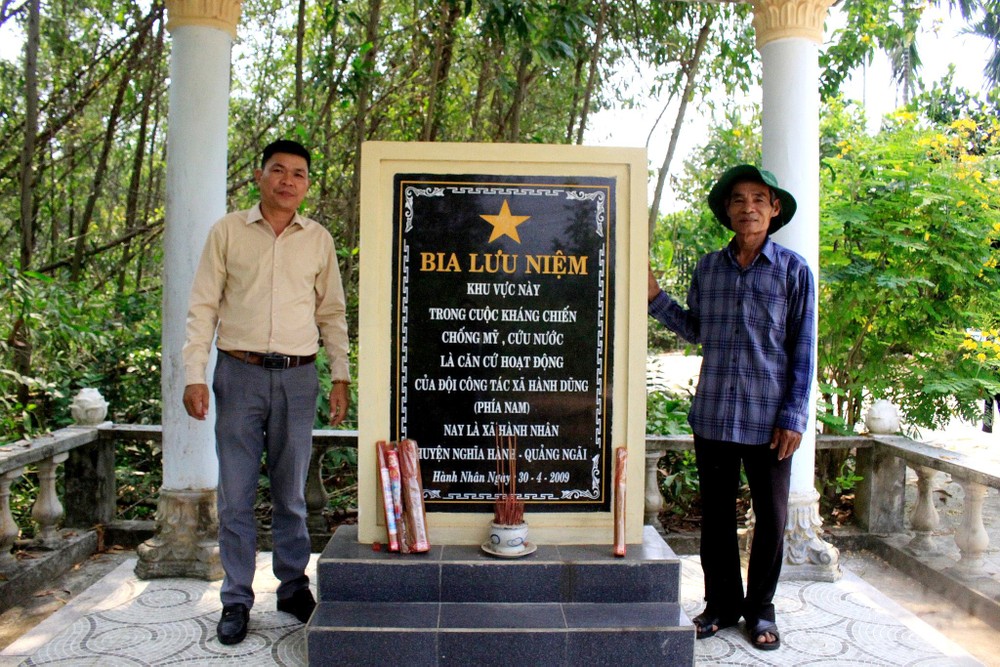
“This area was once the operational base of the Hanh Dung task force, where many comrades sacrificed their lives for national liberation,” Mr. Nam said. “After reunification, surviving members mobilized funds to build the memorial in 2009. In 2015, with support from local authorities, it was upgraded to its current form.”
On major commemorative occasions, veterans from the former unit and neighboring communes return to the site to pay tribute and revisit the wartime base.
Mr. Tran Van Dong, Vice Chairman of the Phuoc Giang Veterans Association, described Mr. Nguyen Van Nam as a model member. “He exemplifies both economic initiative and civic responsibility,” he said, noting the Mr. Nam’s active role in maintaining the memorial and participating in community activities during holidays and anniversaries.