Under the searing heat of the dry season, as crowds rush to enjoy the long holiday, forest rangers in Dong Thap quietly remain on duty around the clock, safeguarding the “green lungs” against the threat of fire.
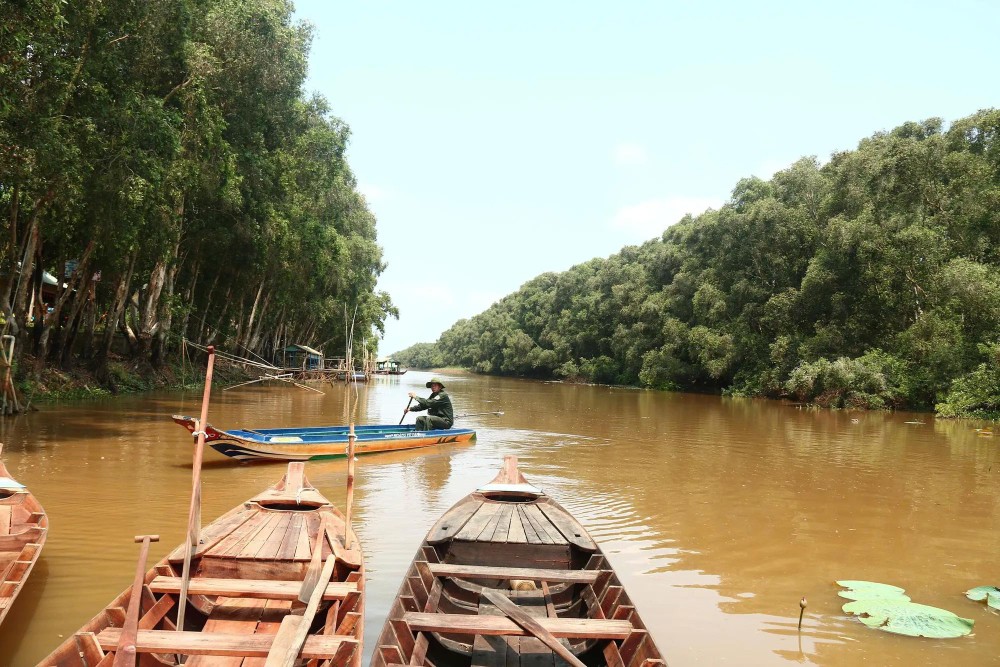
In April, sunlight washes the cajuput forests of the “Pink Lotus Land” in gold. Across special-use forests, cajuput stands, and wetland ecosystems in Dong Thap, the atmosphere grows more urgent than ever. For rangers in Tram Chim, Go Thap, Xeo Quyt, and the Dinh Ba border protection forest, days off do not exist during the dry season.
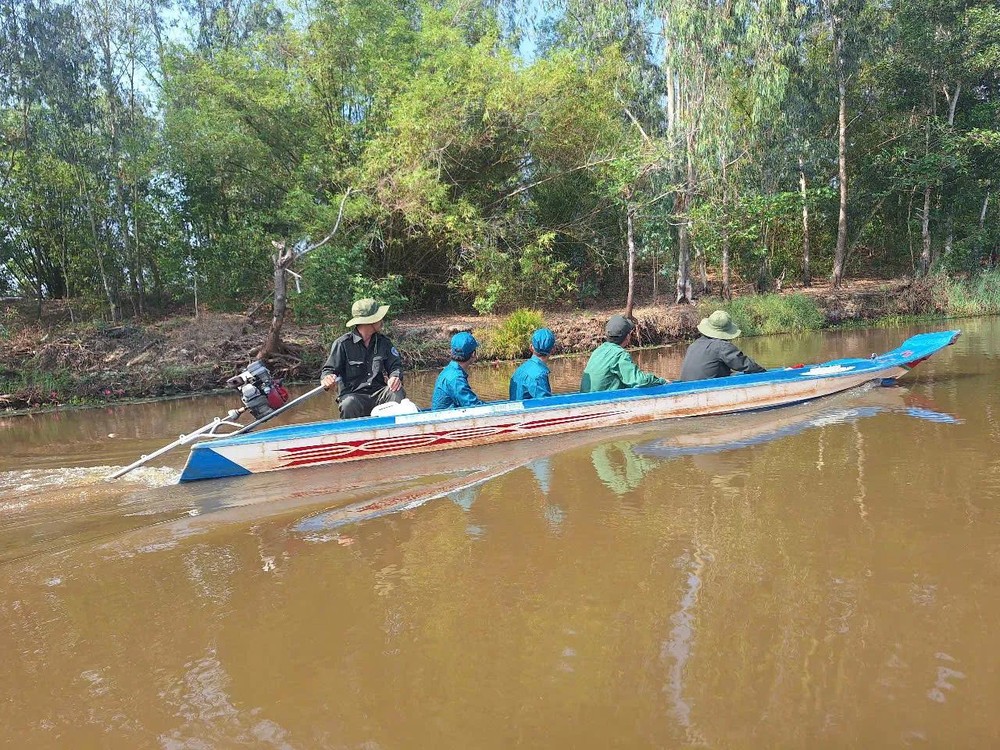
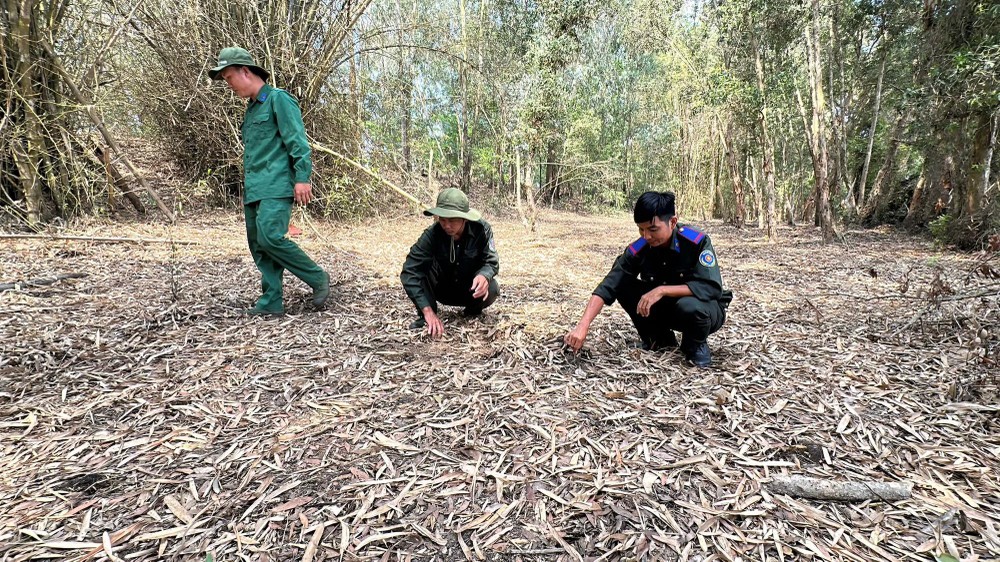
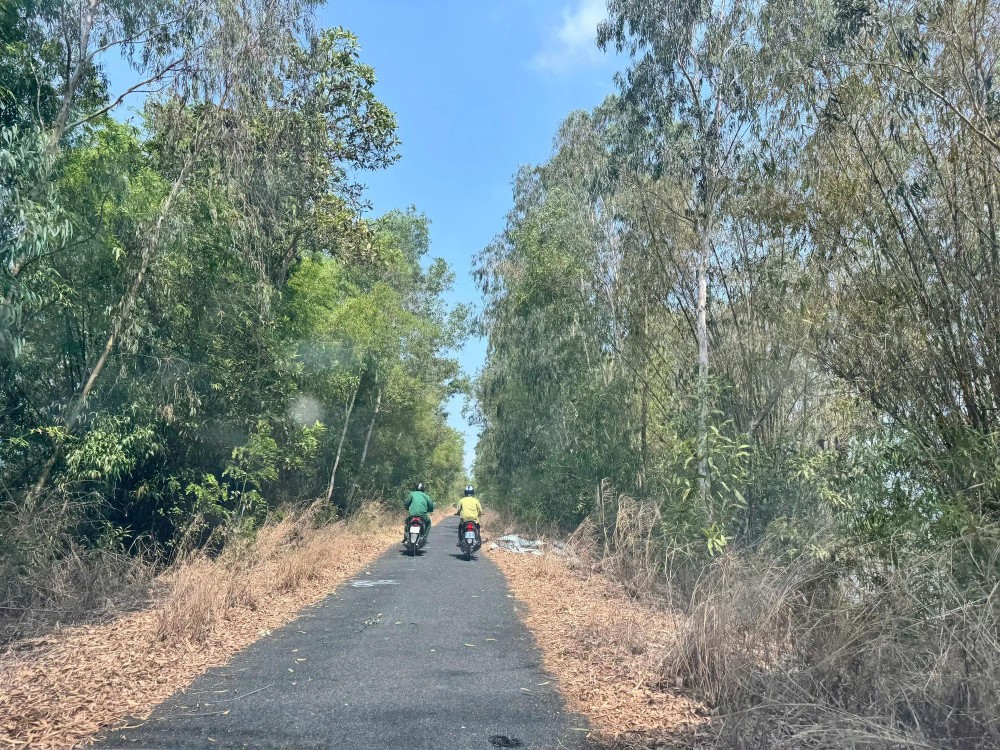
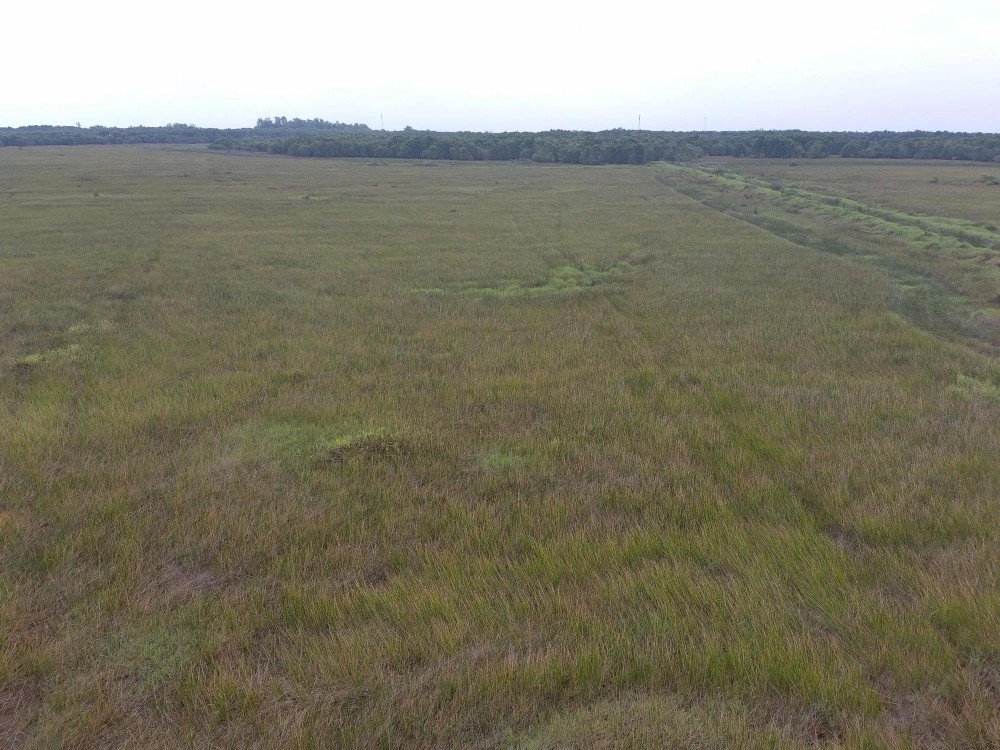
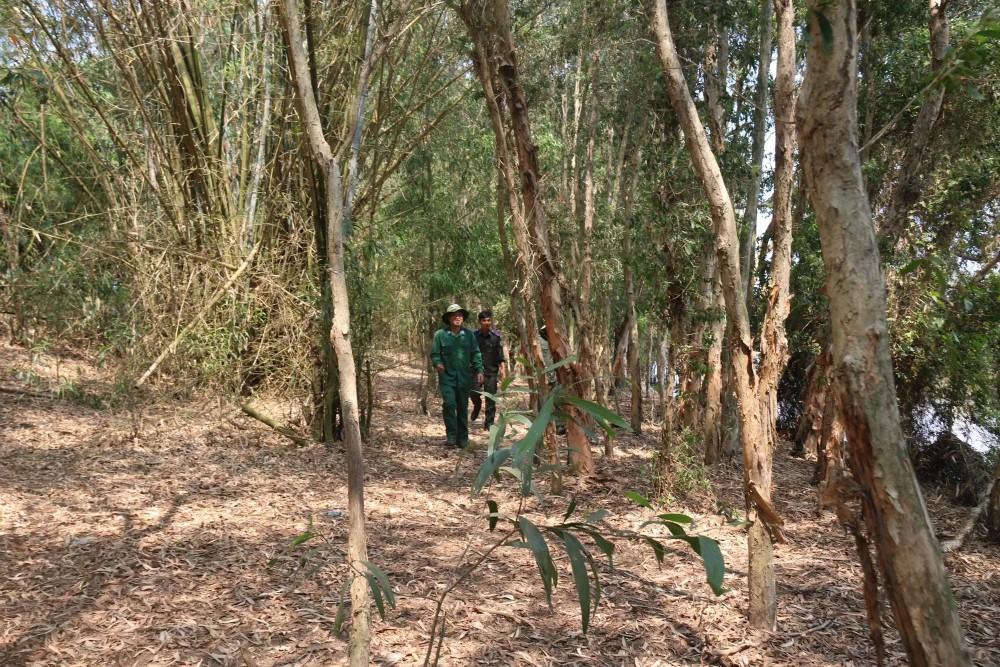
Beneath the harsh sun, dense layers of dry vegetation at Tram Chim National Park become as brittle as straw—where even a single spark could trigger disaster. Patrol teams continue their steady rounds along embankments. Instead of gathering with their families, they string up hammocks in the forest, manning checkpoints, trails, and entry paths to prevent unauthorized access. The forest at night is far from quiet; under flashlight beams, watchful eyes scan for any distant plume of smoke or the faintest scent of burning.
A member of the mobile protection and fire prevention unit at Tram Chim National Park shared that while others sleep, they remain awake, ensuring the park’s greenery endures.
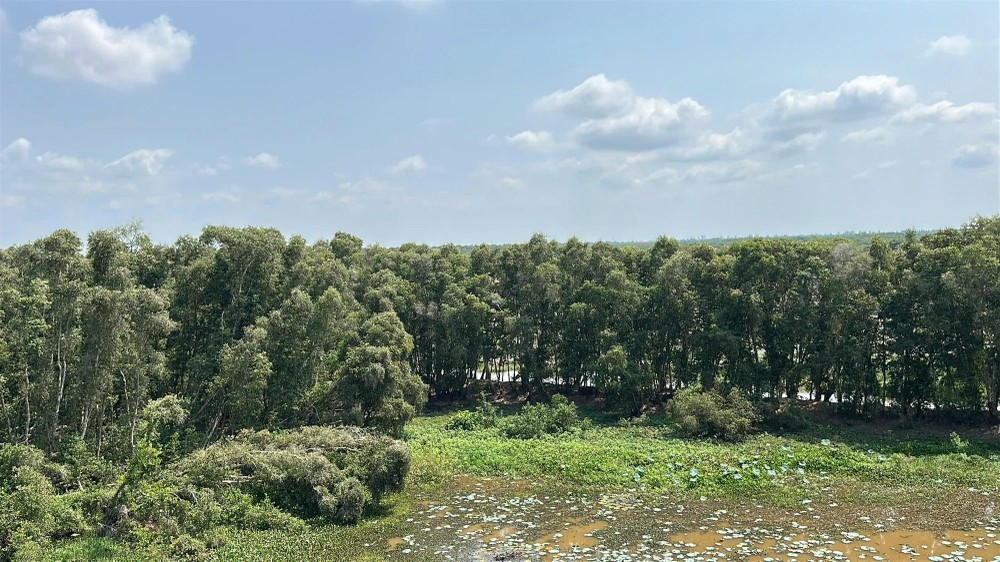
Human endurance, combined with technological support, has formed a protective shield for Tram Chim. Deep in the forest, camera systems and drones continuously monitor high-risk areas, while automated observation stations help regulate water levels. This coordination not only enables rapid fire prevention but also preserves habitats for migratory birds. Across the cajuput forests of Xeo Quyt, Go Thap, and the Dinh Ba border protection forest, high-capacity pumps stand ready for immediate response. Ranger forces rotate overnight shifts with a single resolve: to keep fire from reaching the forest.
Tran Nhut Tan, Deputy Head of the Forest Protection and Fire Prevention Division at Tram Chim National Park, said that although the boundary between the core zone and buffer zone lies in close proximity—making patrols more difficult—rangers remain steadfast through nights and holidays to guard the forest. Beyond preventing risks from afar, they also visit households in buffer areas, encouraging residents to join in protecting the local environment. Amid the punishing heat, the determination to preserve the forest remains a sacred duty in the hearts of these rangers.
The battle against the “enemy of fire” during the dry season is arduous. These quiet patrols form a living shield, preserving the forest’s green expanse through the harshest droughts.
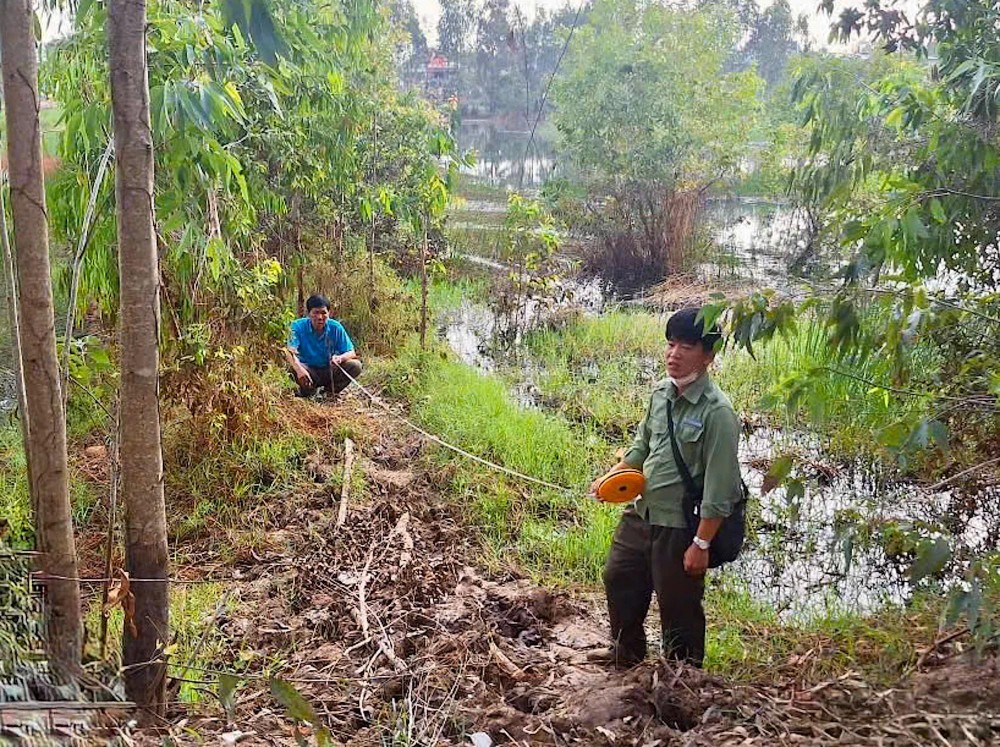
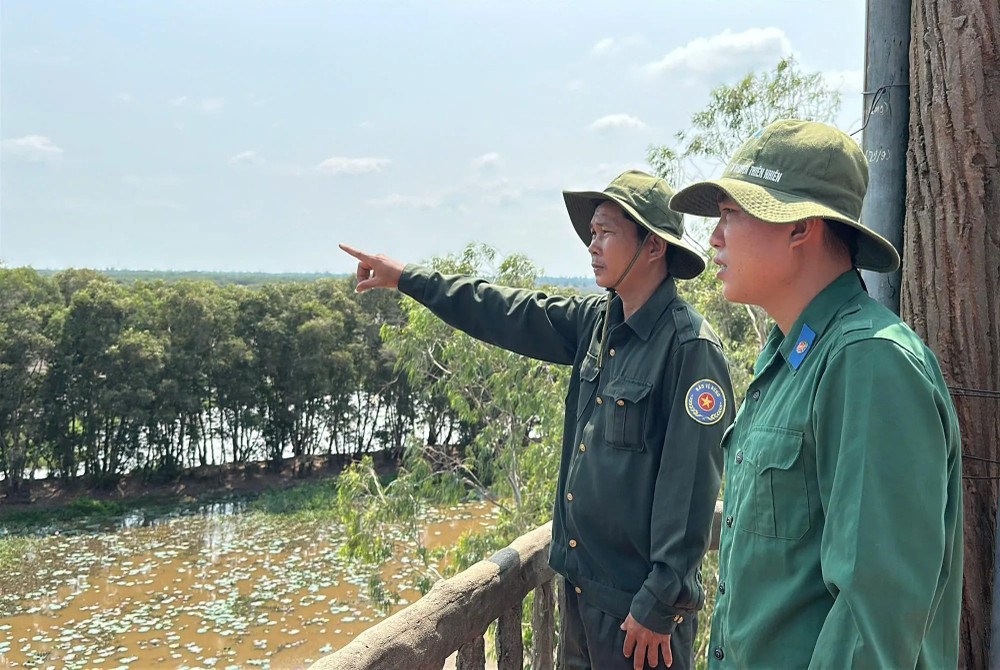
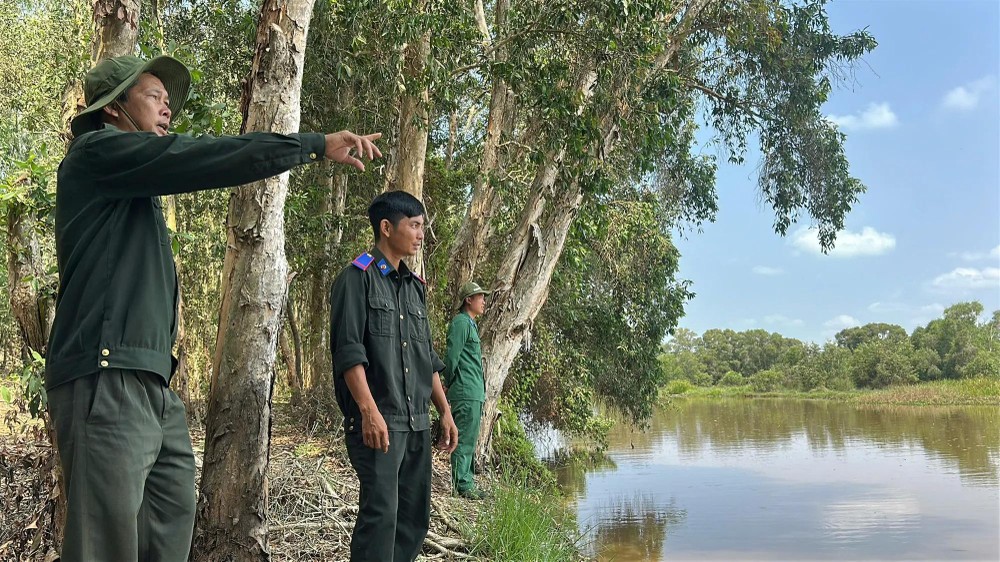
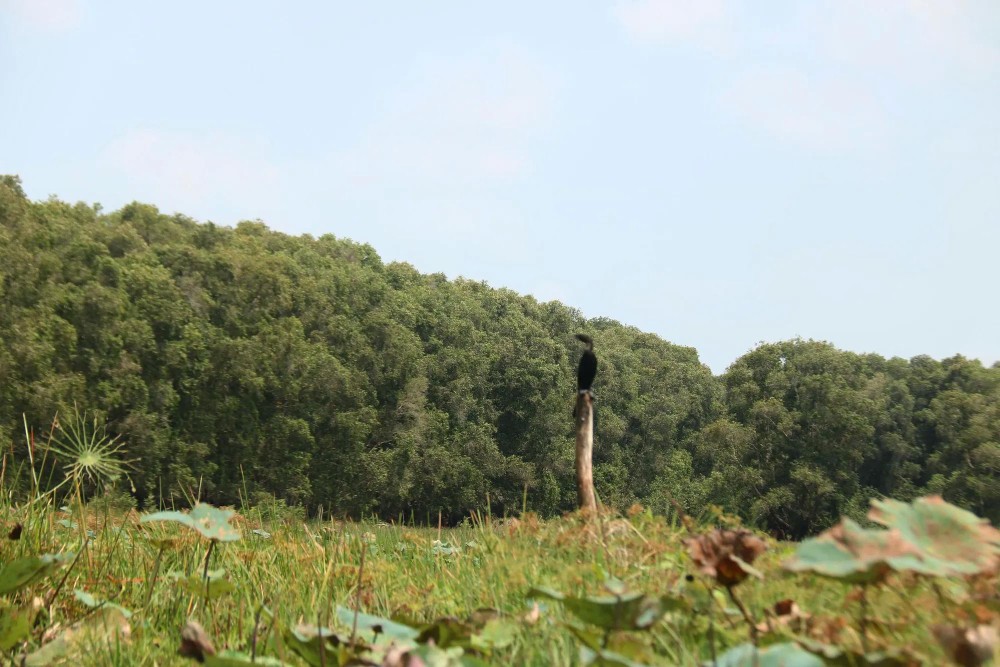
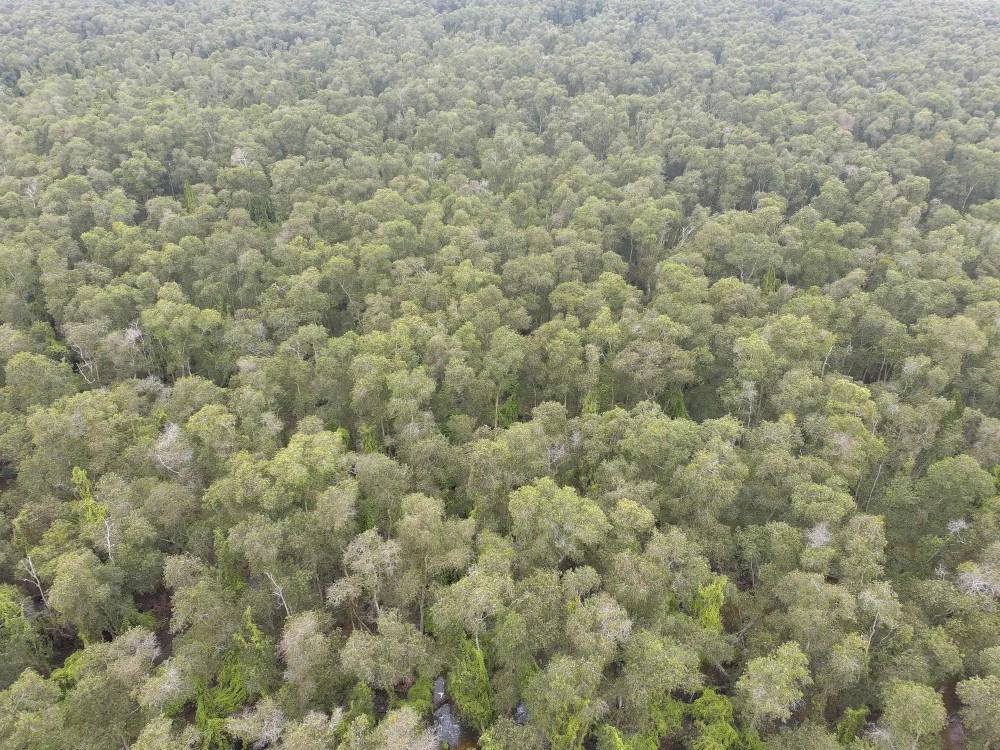
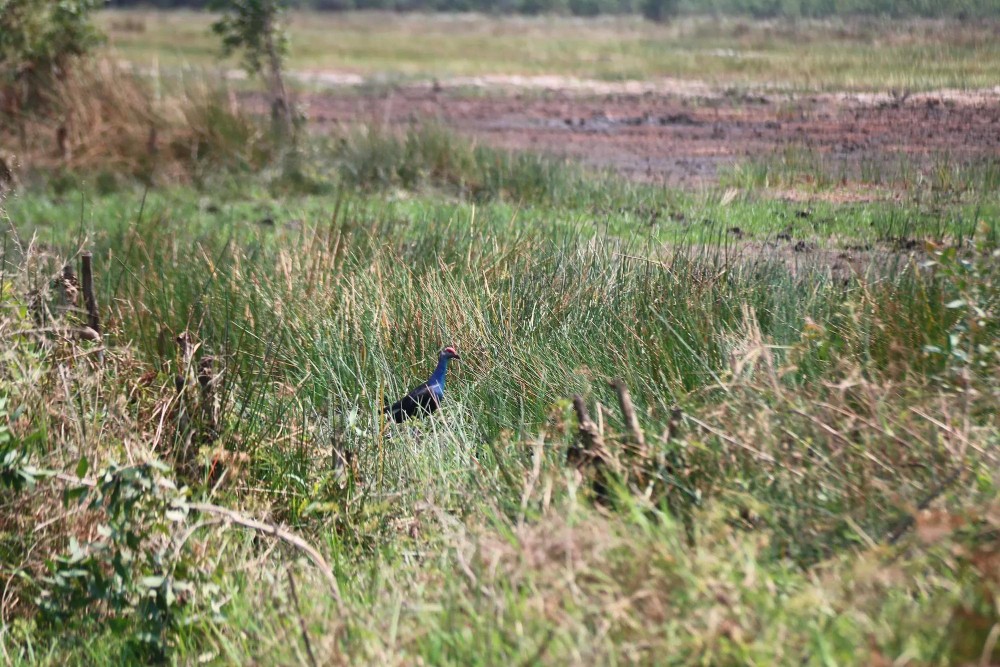
Dong Thap Province has more than 7,740 hectares of forest land, including Tram Chim National Park, which is recognized as the world’s 2,000th Ramsar site and the fourth in Vietnam. The park spans over 7,300 hectares, of which approximately 3,000 hectares are cajuput forest, providing habitat and refuge for hundreds of species of wildlife, birds, storks, and various aquatic organisms.
At present, prolonged heat and dry conditions have left the ground cracked, with parched grass and dense layers of vegetation, while water levels in cajuput forest areas continue to decline—pushing the fire risk to Level V, the highest and most extreme warning. Authorities in Dong Thap are strictly enforcing the “four on-the-spot” principle.
In addition to dredging canals to retain moisture, the province has mandated tighter control over illegal forest access and is urging residents in buffer zones to commit to avoiding the use of fire near forested areas. Water regulation is also being carefully managed to both prevent wildfires and preserve the distinctive ecosystem and habitats of rare bird species.